Upper eyelid exposure consultations
10–20 min typical treatment time
Doctor-led, surgery-free
Completely personalised results
All-inclusive pricing & ongoing support
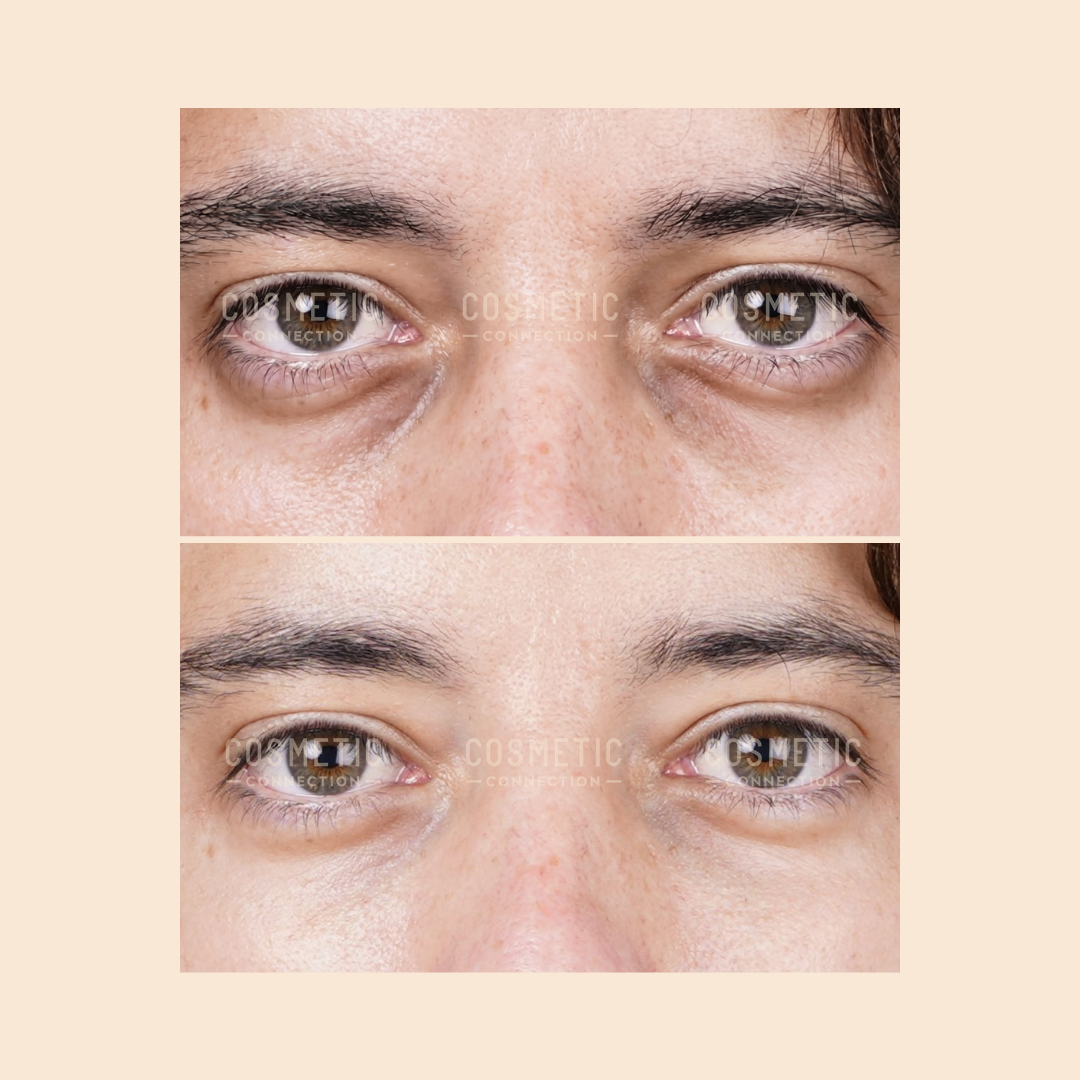
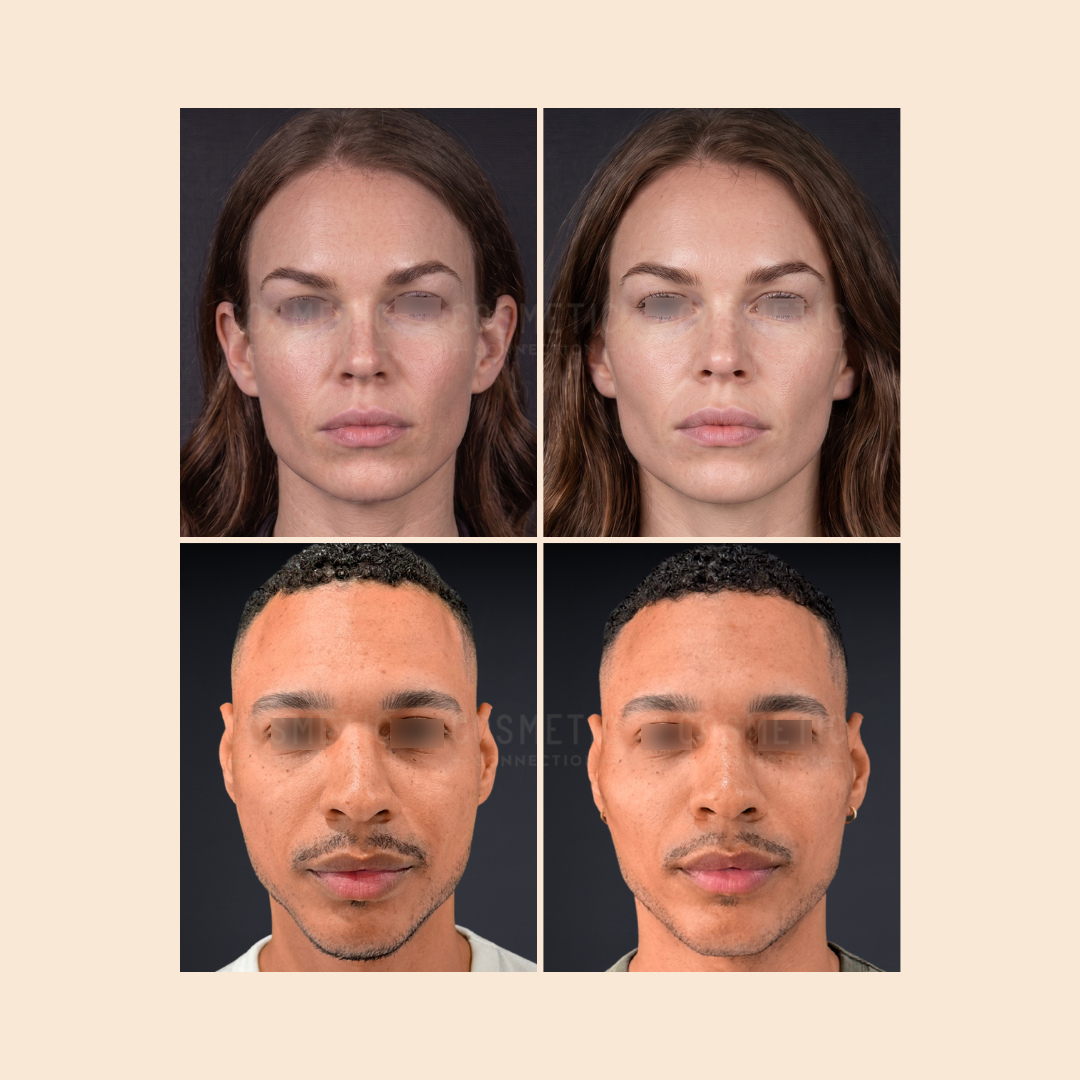
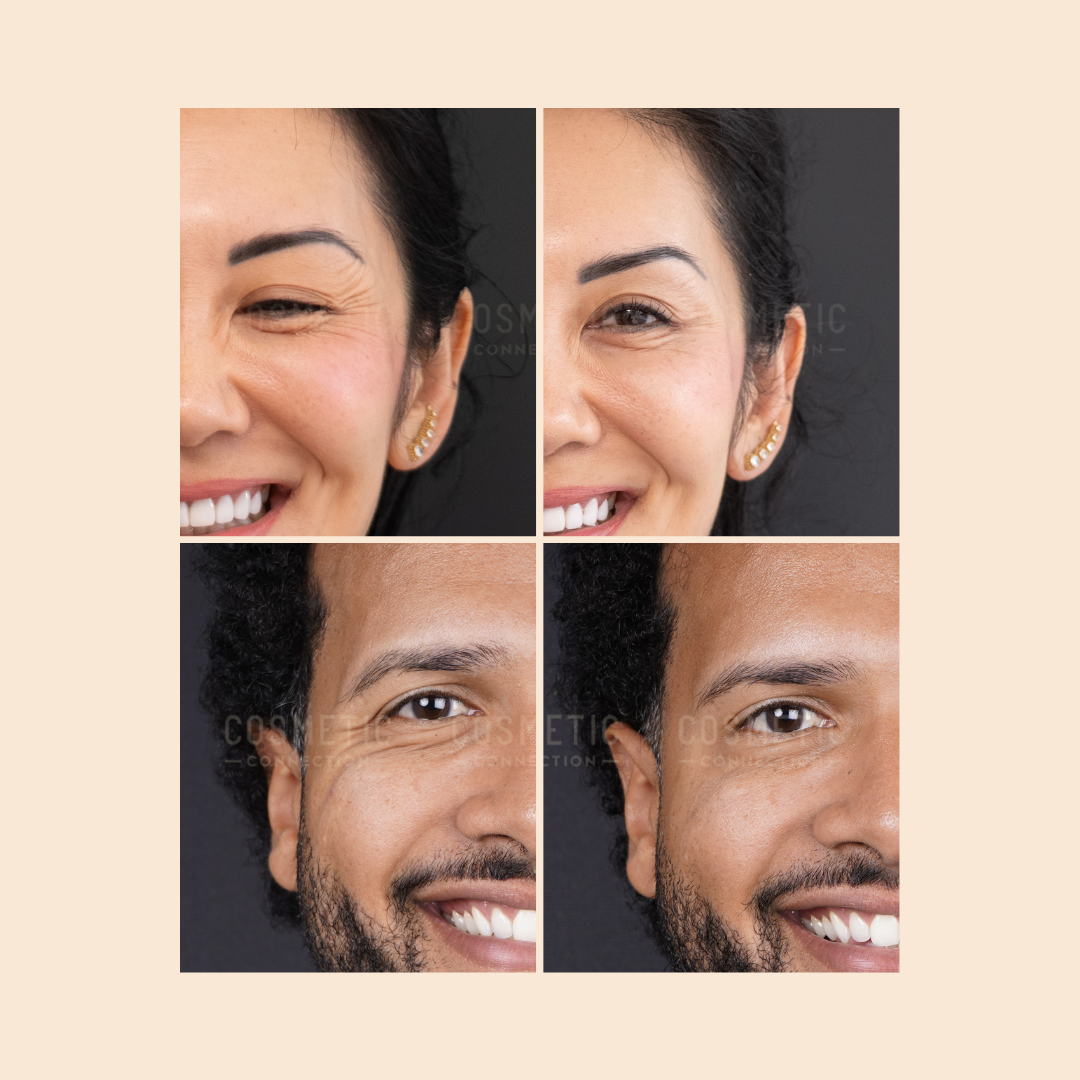
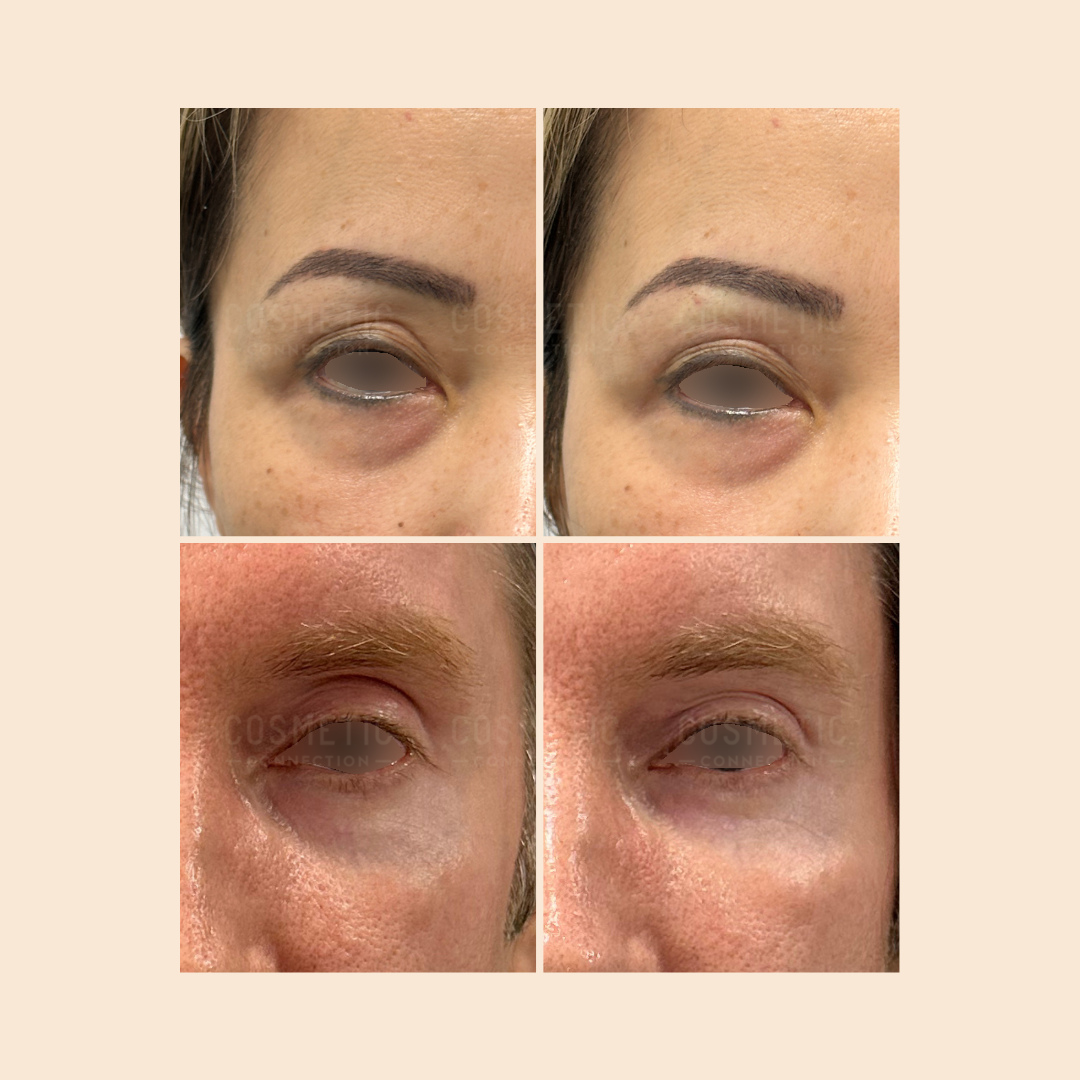
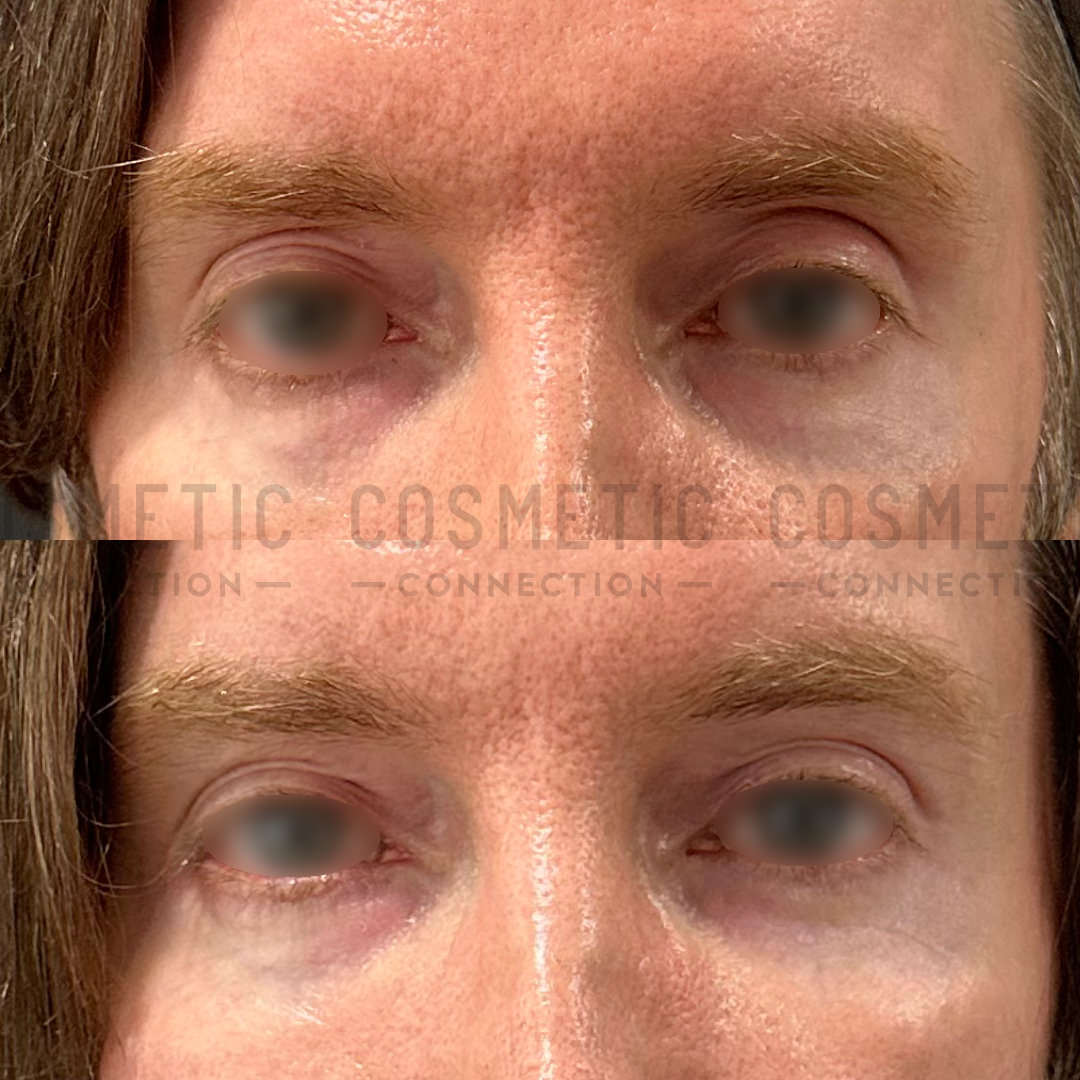
Non-surgical treatment to reduce upper eyelid hollowing and exposure, correcting for a tired look that persists even when you’re well-rested. We restore volume to the upper eyelid, softening the eyelid crease contour.
Start your booking process by providing us some details
As seen in











When your eyes begin to look sunken
Treat upper eyelid exposure the medical way.
It’s not stress, it’s structural
A “startled” look emerges when upper eyelid volume reduces. The underlying bone emerges, forming an "A-frame" hollow.
Topical solutions don't rebuild support
Serums and lasers improve texture, but they cannot rebuild volume. True refinement targets the underlying structure.
It's about more than hollow eyelids
Refining upper eyelid exposure is about looking refreshed, rested, and aligned with how you feel, all while preserving natural expression.
Refined, not different
Our clinicians design your plan using the CXN Method™ and treat to the Undetectable Standard™.
Treatment info
Goals
Suitability
Preparation
Aftercare
Results
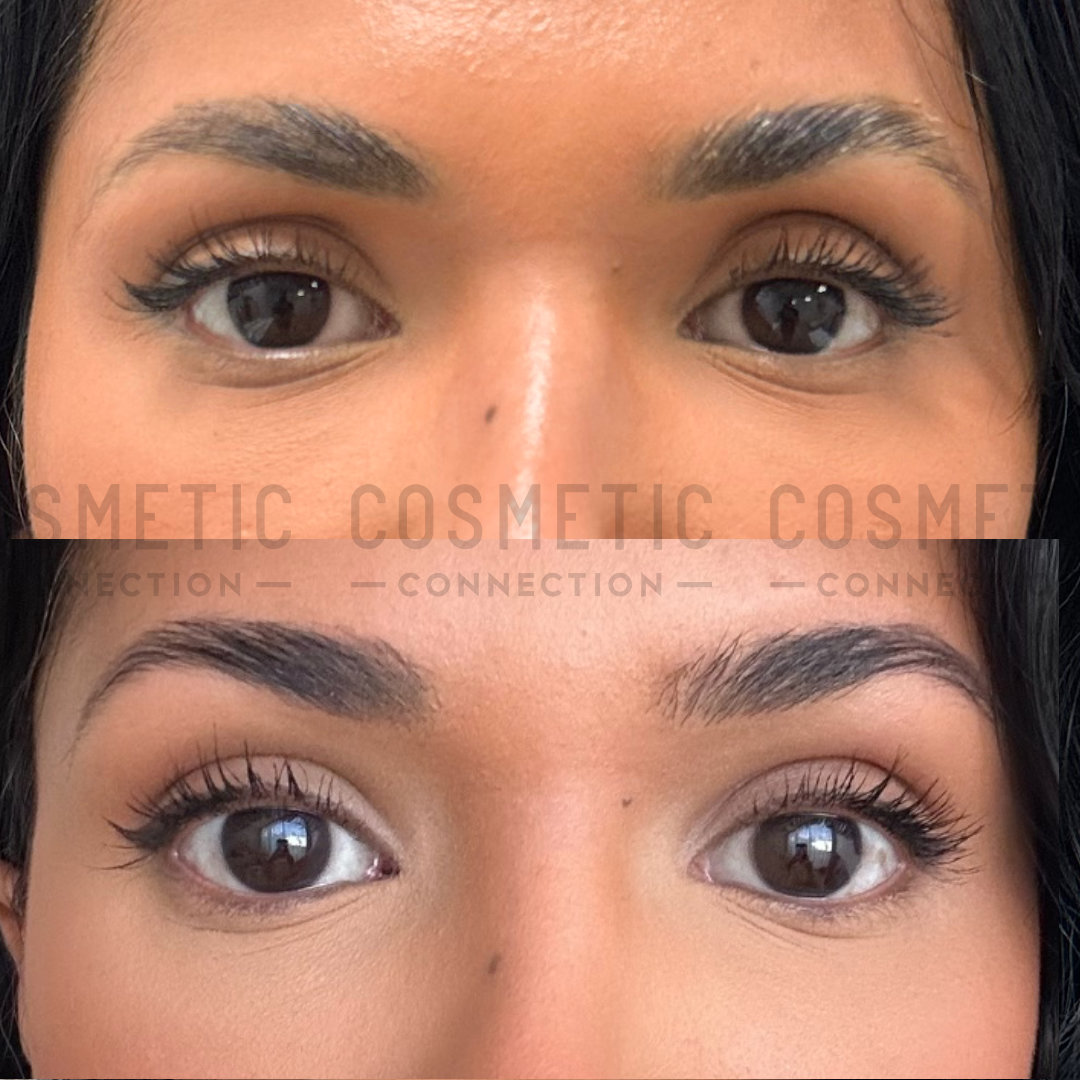
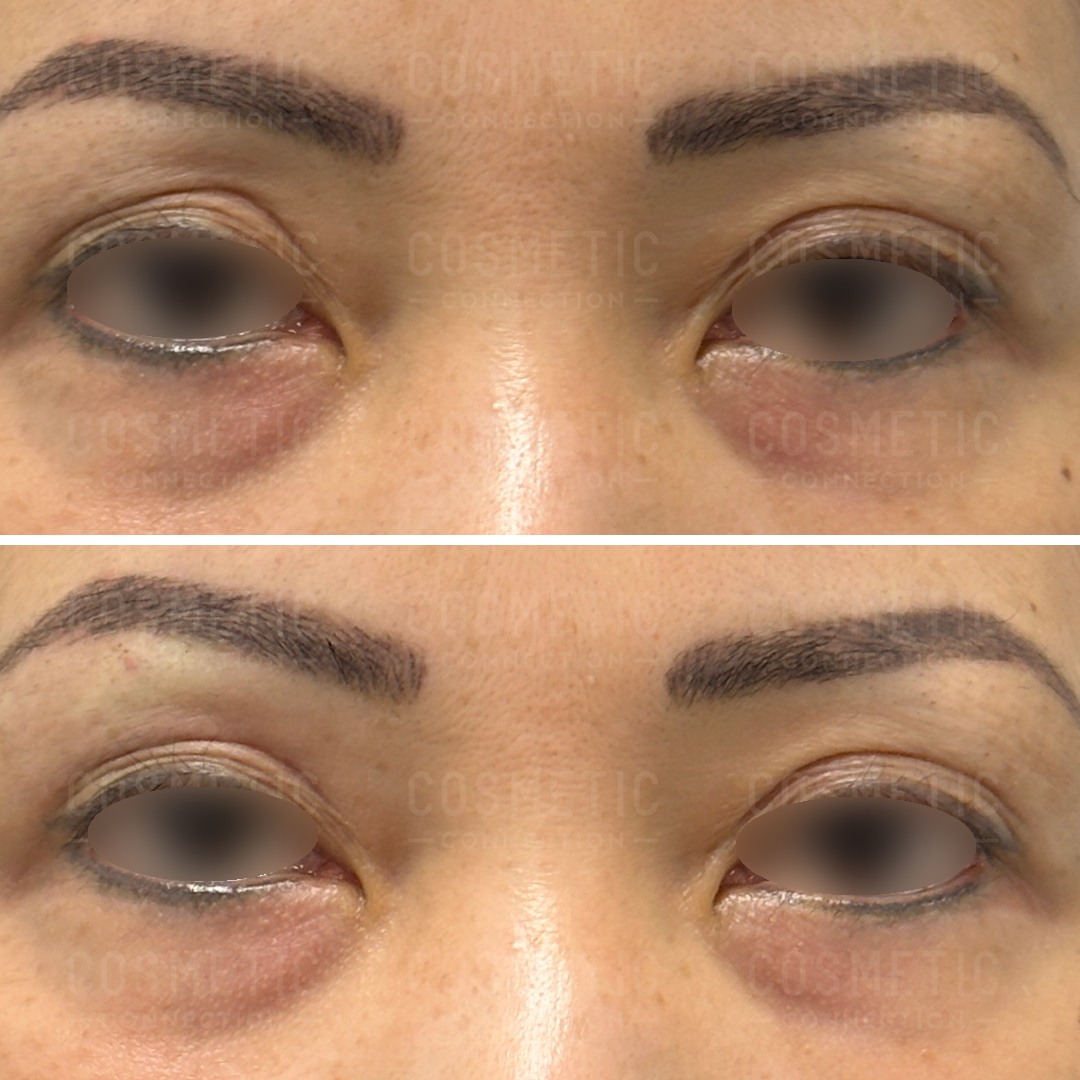
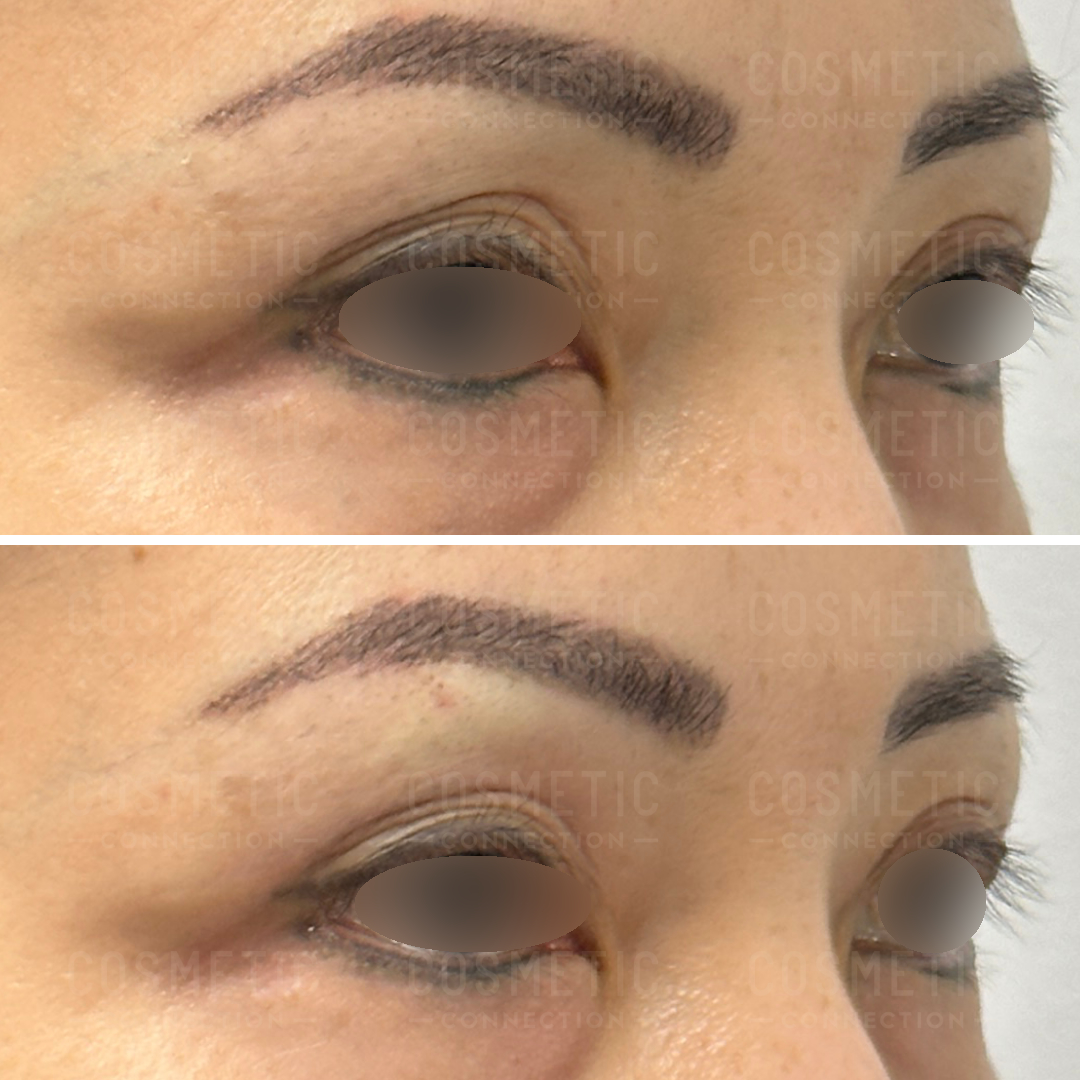

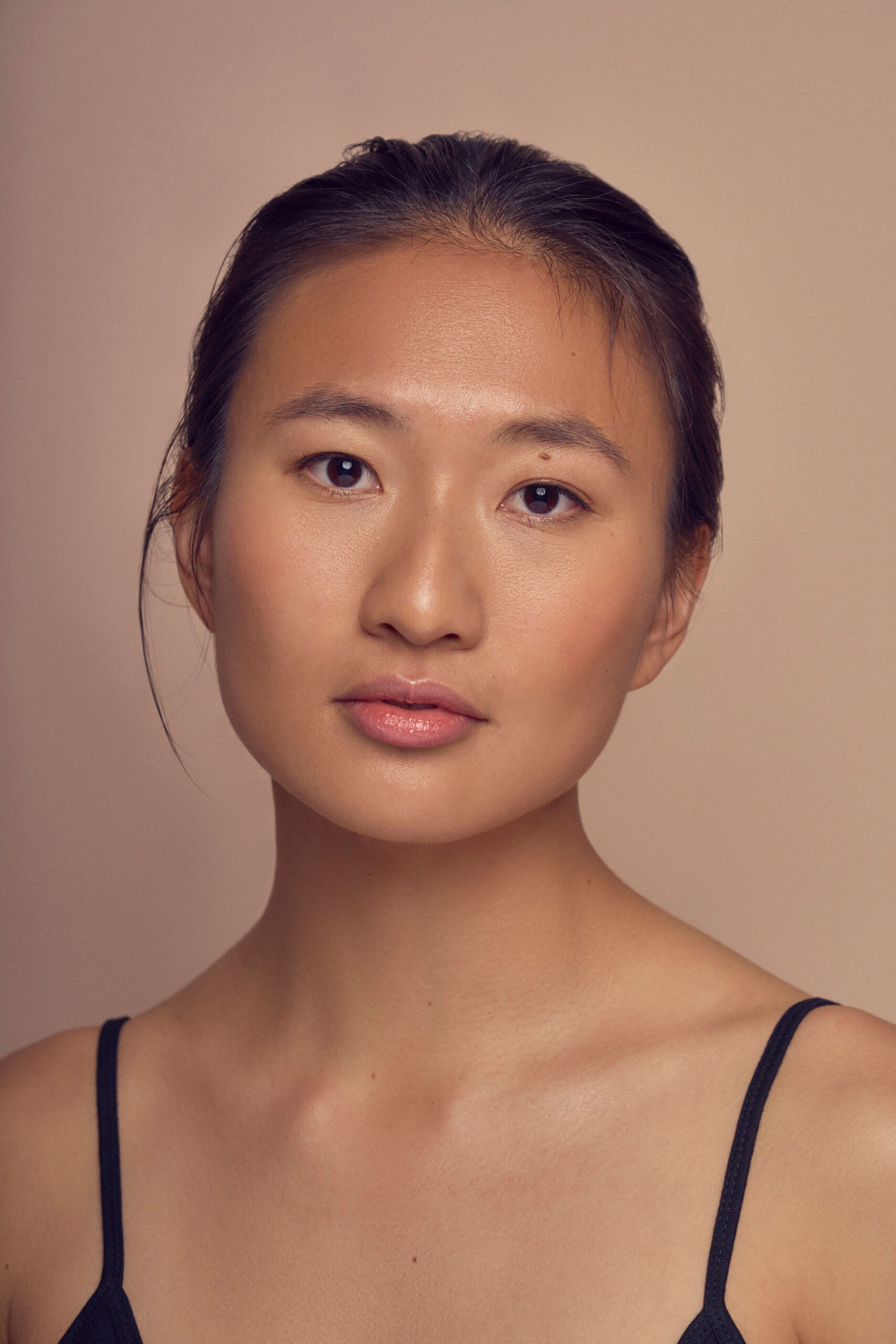

Why Cosmetic Connection?
Our focus is on thoughtful, measured assessments and personalised clinical plans, ensuring your treatment is guided by medical expertise.
Our process ensures you’re a good fit for treatment before you commit.
Every recommendation is completely tailored to your anatomical baseline and desired result.
Refine your looks without the risk, cost, or extended downtime of surgery.
Our treatment options are based on strong clinical evidence, and a proven track record or efficacy and safety.
Our all-inclusive, flat-fee pricing structure ensures your clinician is focussed entirely on your result, not the amount of product used.
Still unsure? Read our essential guide before you book.

How do treatments for upper eyelid hollows work?
Upper eyelid hollowing—also known as A-frame hollowing or sunken eyes—can be a normal anatomical variation, or develop over time as the natural fat and bone decreases around the eyes. Lifestyle influences such as chronic stress, poor sleep, and smoking can also contribute to hollowness in the upper eyelids. These changes may make the eyes look tired, shadowed, and hollow.
If you’ve been wondering, “Can sunken eyes be reversed?” — the answer is yes, in certain cases. At Cosmetic Connection, treatments for upper eyelid hollowing are performed by our cosmetic doctors. We use a range of non-surgical techniques designed to add volume & structure in the upper eyelid area. By reducing the hollows, we aim to create a smoother contour between the brow bone and eyelid, reducing the sunken appearance.
Treatment may also help redefine the upper eyelid crease. In addition to addressing volume and structure, treatments plans may also incorporate methods for improving skin quality.
Have questions?
Read the FAQ for general information. For personalised advice, start here.
Upper eyelid hollowness may develop over time as the natural fat pads in the area diminish and descend. Some individuals naturally have a more deeply-set eye structure, creating the appearance of hollowness. Genetics and lifestyle factors can also play a role in the development of above eye hollowness.
An A-frame describes a specific contour in the upper eyelid and brow area, often seen after surgery or over time, although it can occur as a natural anatomical variant. It’s characterised by depressions or hollowness both towards the nose and the temples above the eye, creating an “A” shape.
Non-surgical treatments aim to address upper eyelid hollows by carefully targeting volume and optimising skin quality. We use various methods depending on your needs, as determined during a consultation.
The best way to determine if this treatment is suitable for you is to schedule a consultation with one of our experienced clinicians. We will assess the degree of your upper eyelid hollowness, discuss your expectations, and recommend a personalised treatment plan.
To help make the process simple, we have developed an all-inclusive fixed price for our medical upper eyelid treatments that target the upper face.
So that we can provide pricing information, you need to speak to our clinicians so they can determine if it’s right for you.
People’s experiences of discomfort vary, but most report only mild, brief discomfort with non-surgical upper eyelid treatments.
Most treatments involve the use of numbing to minimise discomfort.
The duration of the results can vary depending on the type of treatment used and individual factors. Generally, results fade over months to years.
Final results from upper eyelid treatments typically develop over days as the areas heals. The specific time depends on the methods used, and how quickly your body heals.
Upper eyelid treatments typically have short recovery times, characterised by mild redness and swelling in most cases. Bruising is uncommon, and you can generally resume most normal activity shortly after your appointment.
Upper eyelid treatments are considered low-risk.
Common side effects include mild redness, swelling and tenderness. Bruising is uncommon, and typically settles in a few days.
Rare risks include infections and nerve irritation.