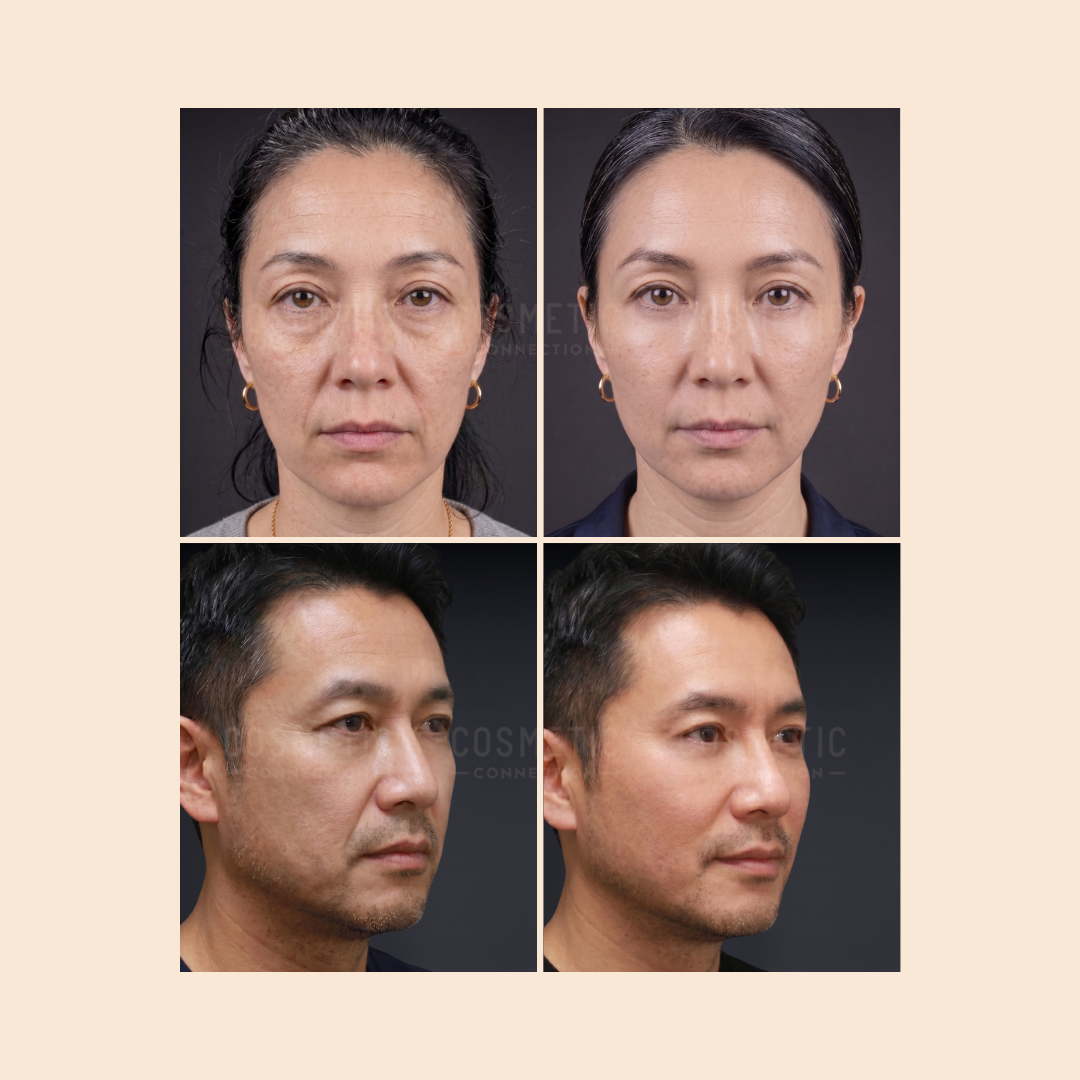
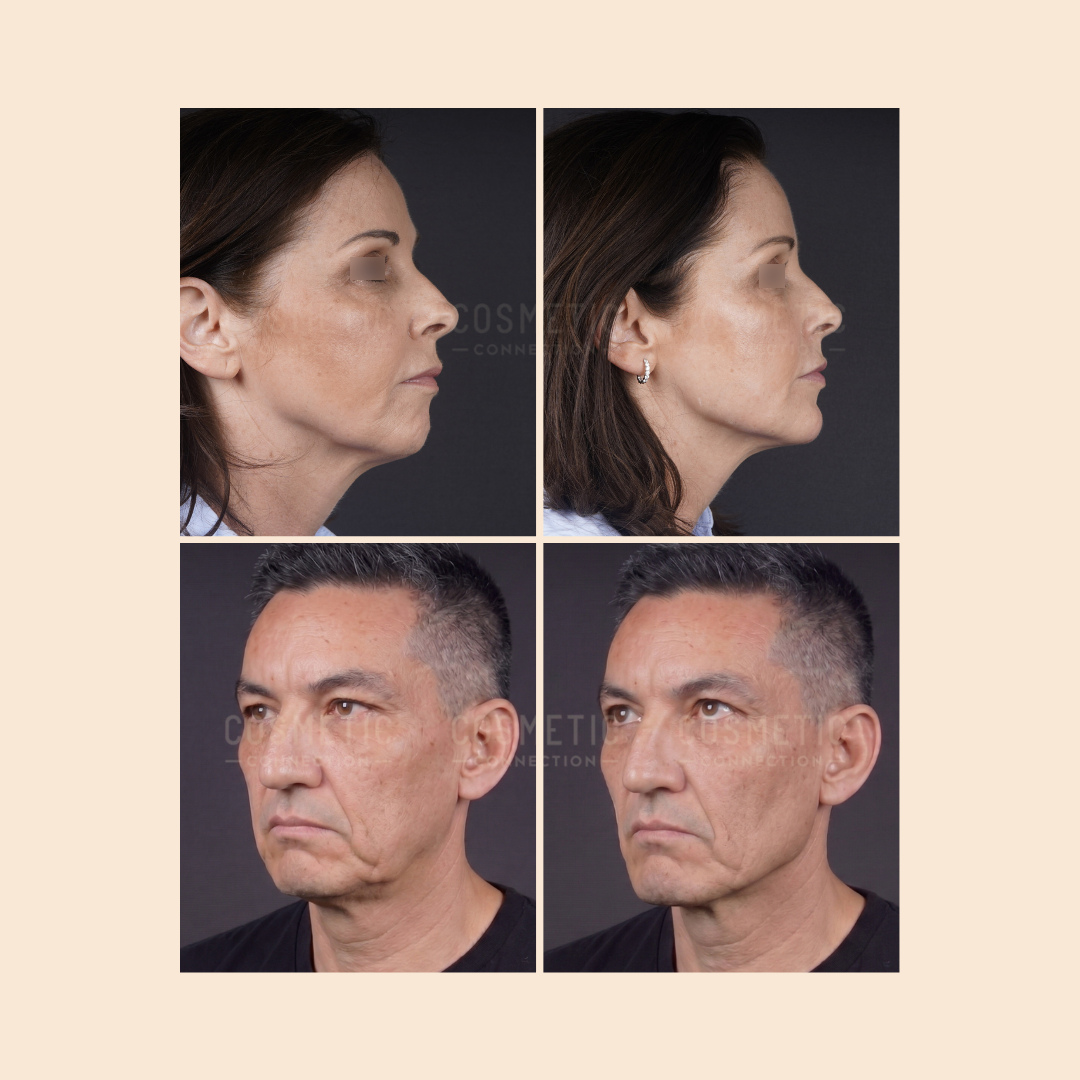
Temple volume restoration
10–20 min typical treatment time
Doctor-led clinical care
Non-surgical in-clinic treatment
All-inclusive pricing & ongoing support
Reduce temple hollowness with a non-surgical approach designed to achieve balanced, natural-looking results.
Start your booking process by providing us some details
As seen in













When you no longer see yourself in the mirror
Refine temple volume the medical way.
The quiet effort of compensating
Temple volume loss can lead to adjusting angles, avoiding certain lighting, or relying on makeup to compensate for hollowness and shadows.
Natural methods don't fix structure
Facial exercises and gua sha relax muscles and reduce fluid, but they don't rebuild structure. True refinement targets the cause.
This isn’t about change, it’s about preservation
It’s about looking refreshed, rested, and like yourself, all while preserving natural expression and identity.
Refined, not different
Our clinicians design your plan using the CXN Method™ and treat to the Undetectable Standard™.
Treatment info
Goals
Suitability
Preparation
Aftercare
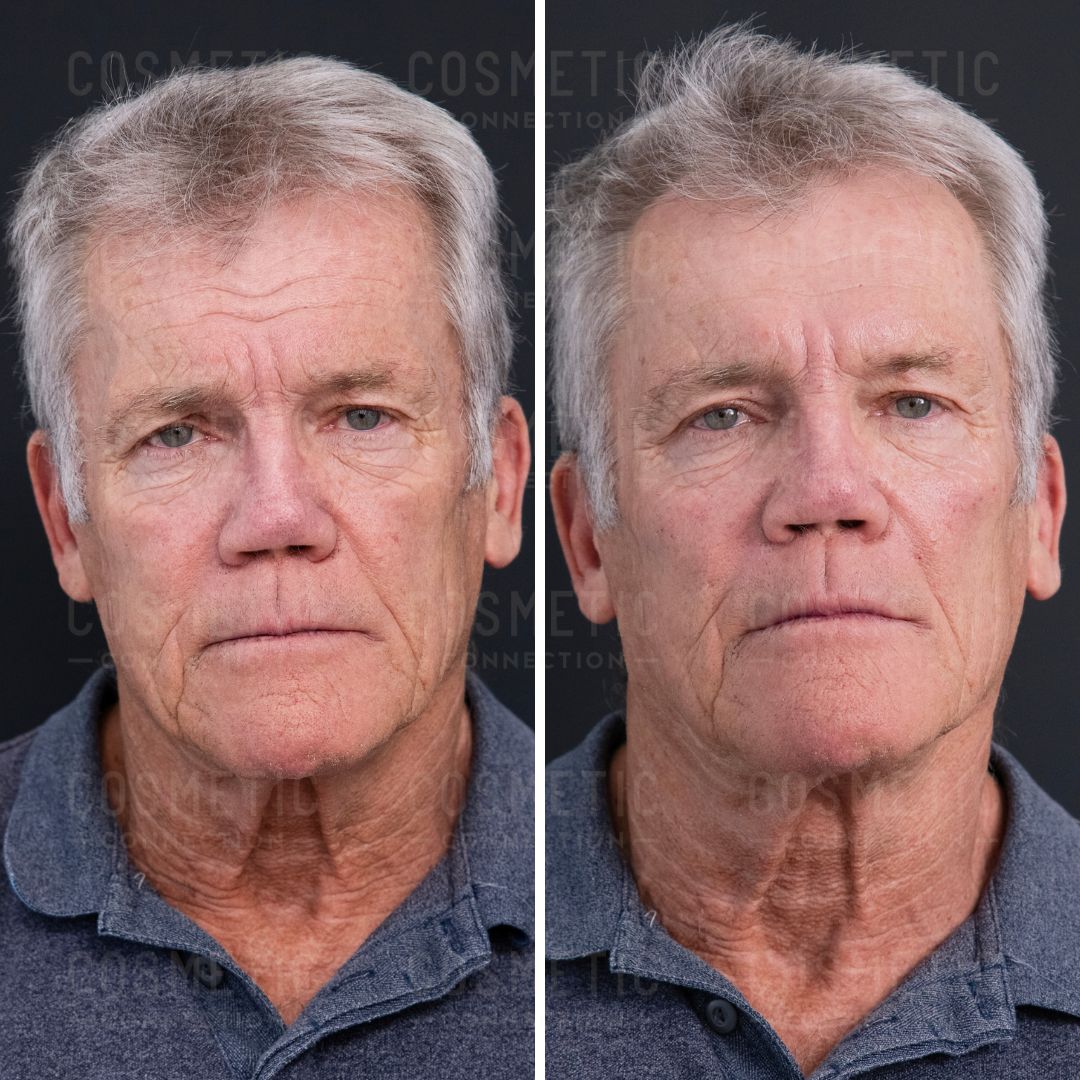
Results





Why Cosmetic Connection?
Our focus is on thoughtful, measured assessments and personalised clinical plans, ensuring your treatment is guided by medical expertise.
Our process ensures you’re a good fit for treatment before you commit.
Every recommendation is completely tailored to your anatomical baseline and desired result.
Refine your looks without the risk, cost, or extended downtime of surgery.
Our treatment options are based on strong clinical evidence, and a proven track record or efficacy and safety.
Our all-inclusive, flat-fee pricing structure ensures your clinician is focussed entirely on your result, not the amount of product used.
Still unsure? Read our essential guide before you book.


What causes temple hollowness?
Temple hollowness refers to a loss of volume in the temples—the area at the sides of the forehead between the brow and hairline. This change can create a hollow, sunken appearance that affects overall facial balance and contributes to a more fatigued or aged look.
Temple volume loss can begin as early as your late 20s to early 30s and typically becomes more noticeable over time.
Common causes of temple volume loss
Natural ageing
As we age, collagen production declines and facial fat pads gradually diminish. This leads to reduced structural support and visible hollowing in the temples.
Genetics
Some individuals are naturally predisposed to temple hollowness due to lower baseline volume in the upper face, making changes appear earlier or more pronounced.
Weight loss
Rapid or significant weight loss can accelerate fat depletion in the face, particularly in the temples, contributing to a gaunt or sunken appearance.
High levels of exercise
Endurance athletes, including long-distance runners, often maintain low body fat levels. This can lead to more noticeable temple hollowing and facial volume loss over time.
How temple hollowing affects facial appearance
Hollow temples can create visible depressions in the upper face, disrupting the natural contour between the forehead, brow, and cheeks. This may:
- Emphasise crow’s feet and upper facial lines
- Create the appearance of heavier or more prominent brow bones
- Contribute to a tired, gaunt, or aged look
- Reduce overall facial harmony and balance
Addressing temple hollowness
Options for temple hollowness focus on restoring volume and improving structural balance in the upper face. Treatments that fill in the temples are designed to subtly replenish lost volume while maintaining natural contours and facial expression.
Have questions?
Read the FAQ for general information. For personalised advice, start here.
Temple hollowness is typically caused by age-related volume loss, where collagen and natural fat in the temples gradually diminish. Genetics, weight loss, and high levels of exercise can also contribute to a hollow or sunken appearance in this area.
Temple hollowness can be addressed through treatments designed to restore volume and support in the upper face. A personalised consultation is essential to determine the most appropriate approach based on your anatomy and goals.
Temple volume restoration refers to non-surgical treatments that aim to replenish lost volume in the temples. This helps reduce hollowing, improve facial balance, and create a more refreshed appearance.
You may be suitable if you’ve noticed hollow temples, a more gaunt appearance, or reduced support in the upper face. Suitability depends on your facial structure, medical history, and desired outcome.
Temple hollowness may become more pronounced over time, contributing to a more aged, fatigued, or sunken appearance in the upper face.
Costs vary depending on the treatment plan and amount of volume required. A consultation is the best way to receive personalised pricing.
The amount of product or treatment required varies depending on the degree of volume loss and your overall facial proportions. A staged approach is often recommended for optimal results.
Longevity varies depending on the treatment approach, your metabolism, and lifestyle factors. During your consultation, we’ll discuss expected timeframes based on your personalised plan.
The goal of temple volume restoration is to subtly support your natural anatomy. When performed conservatively, results are designed to restore balance rather than create noticeable change.
Yes, restoring volume in the temples can improve the transition between the forehead, brow, and cheeks, helping to create a more balanced and harmonious appearance.
Most patients experience minimal downtime. Mild swelling or bruising may occur and typically resolves within a few days.
All medical treatments carry risks and should be performed by a qualified and experienced practitioner. The temple is a complex anatomical area, so a detailed understanding of facial structure is essential.