Sagging skin
10–20 min typical treatment time
Doctor-led, surgery-free
Completely personalised results
All-inclusive pricing & ongoing support
Non-surgical treatment to reduce the appearance of sagging skin, supporting your natural facial contours.
Start your booking process by providing us some details
As seen in











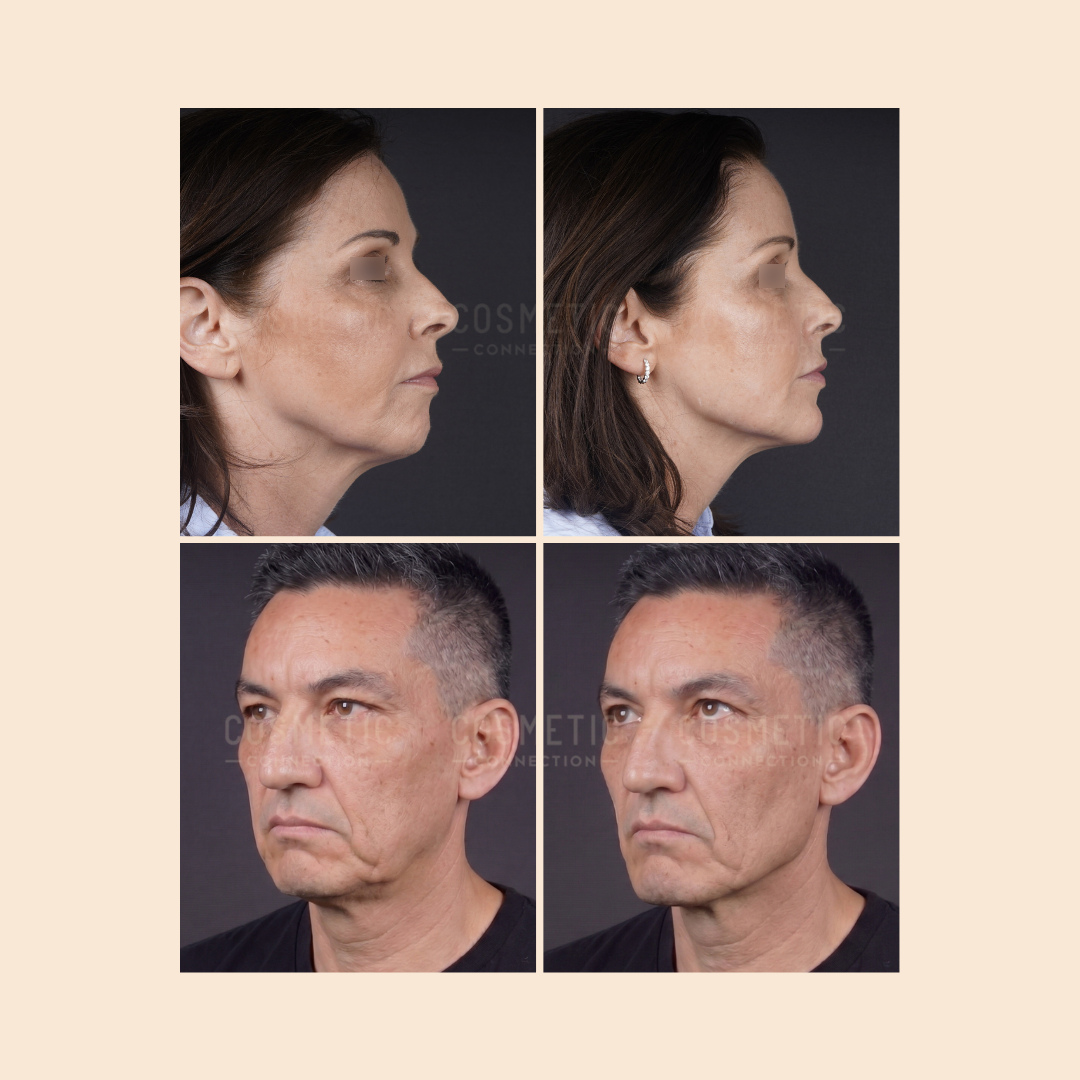
When you no longer see yourself in the mirror
Lift and refine facial contours the medical way.
The quiet effort of compensating
Dropping skin can lead to adjusting angles or relying on makeup or hairstyles to compensate.
Natural methods don't fix structure
Facial exercises and gua sha relax muscles and reduce fluid, but don't rebuild lost volume. True refinement targets the cause.
This isn’t about change, it’s about preservation
It’s about looking refreshed, rested, and like yourself, all while preserving natural expression and identity.
Refined, not different
Our clinicians design your plan using the CXN Method™ and treat to the Undetectable Standard™.
Treatment info
Goals
Suitability
Preparation
Aftercare
Results
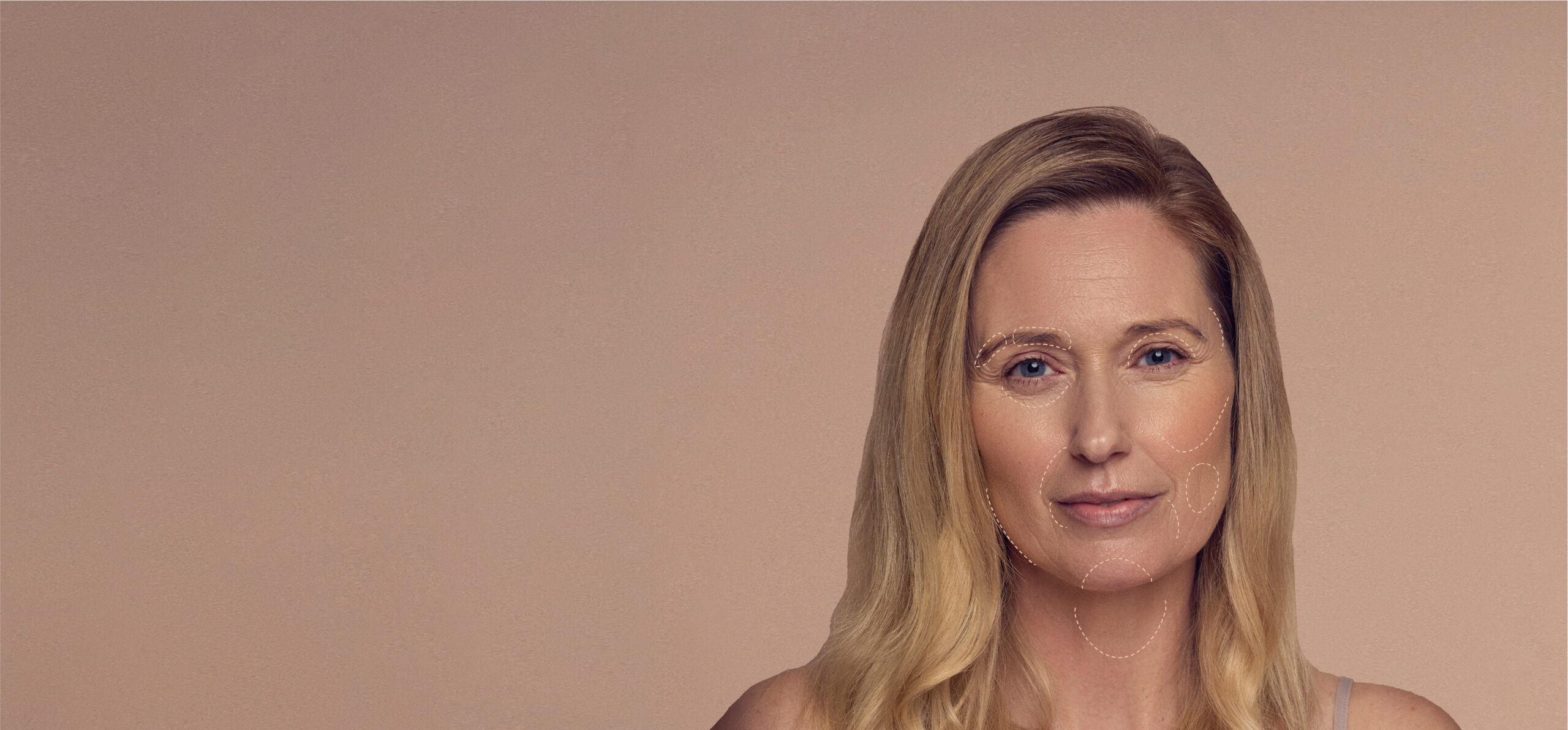
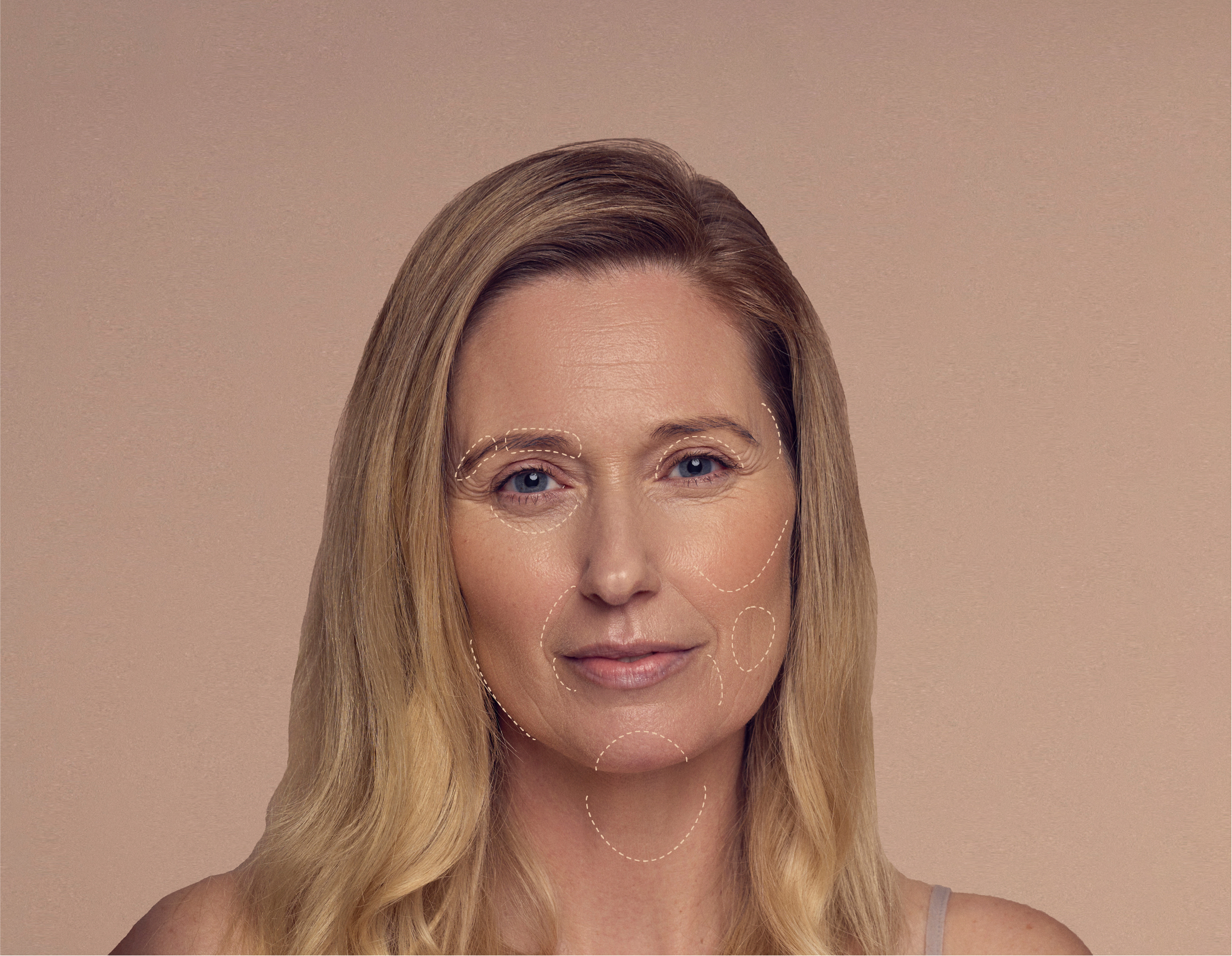
select treatment area
Jawline
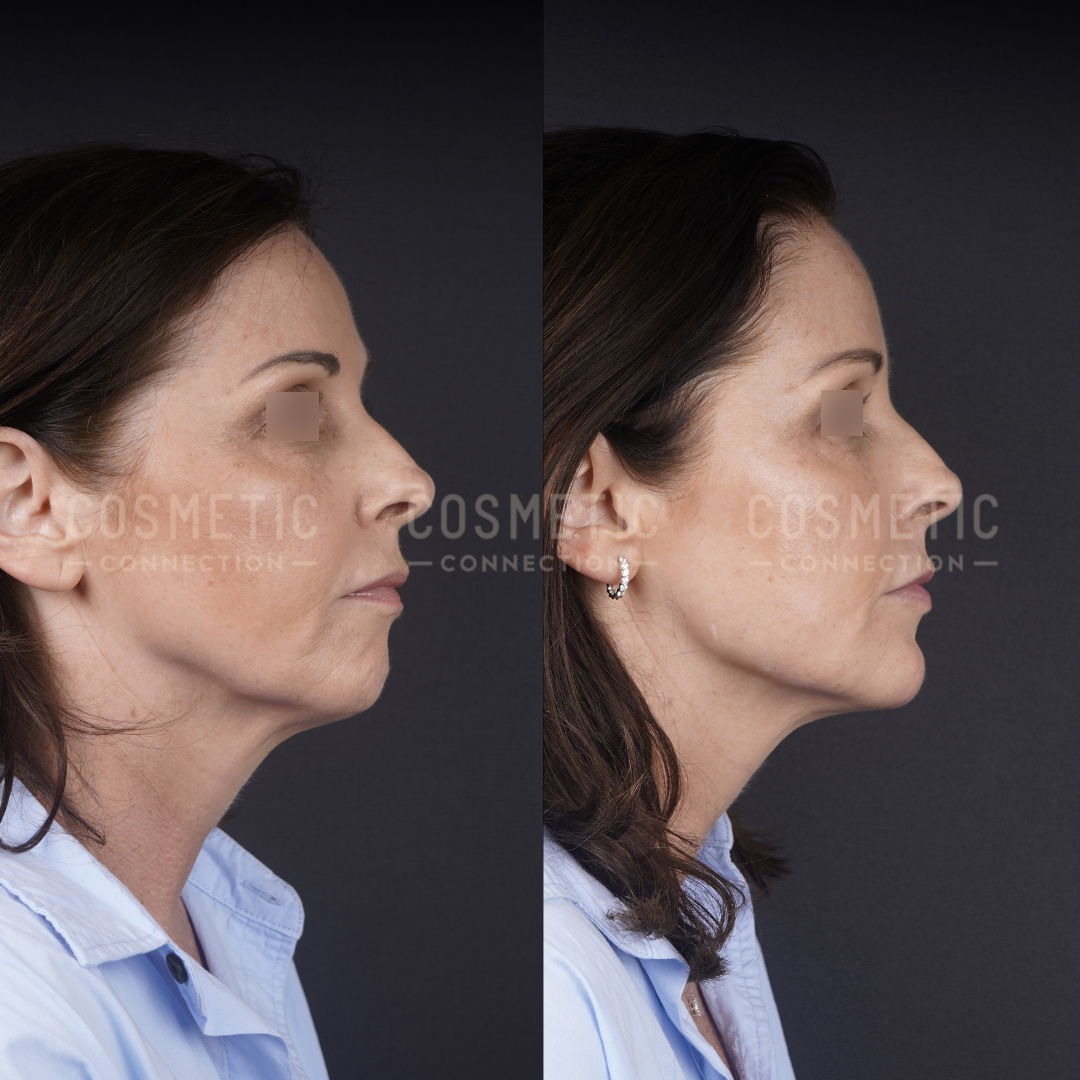
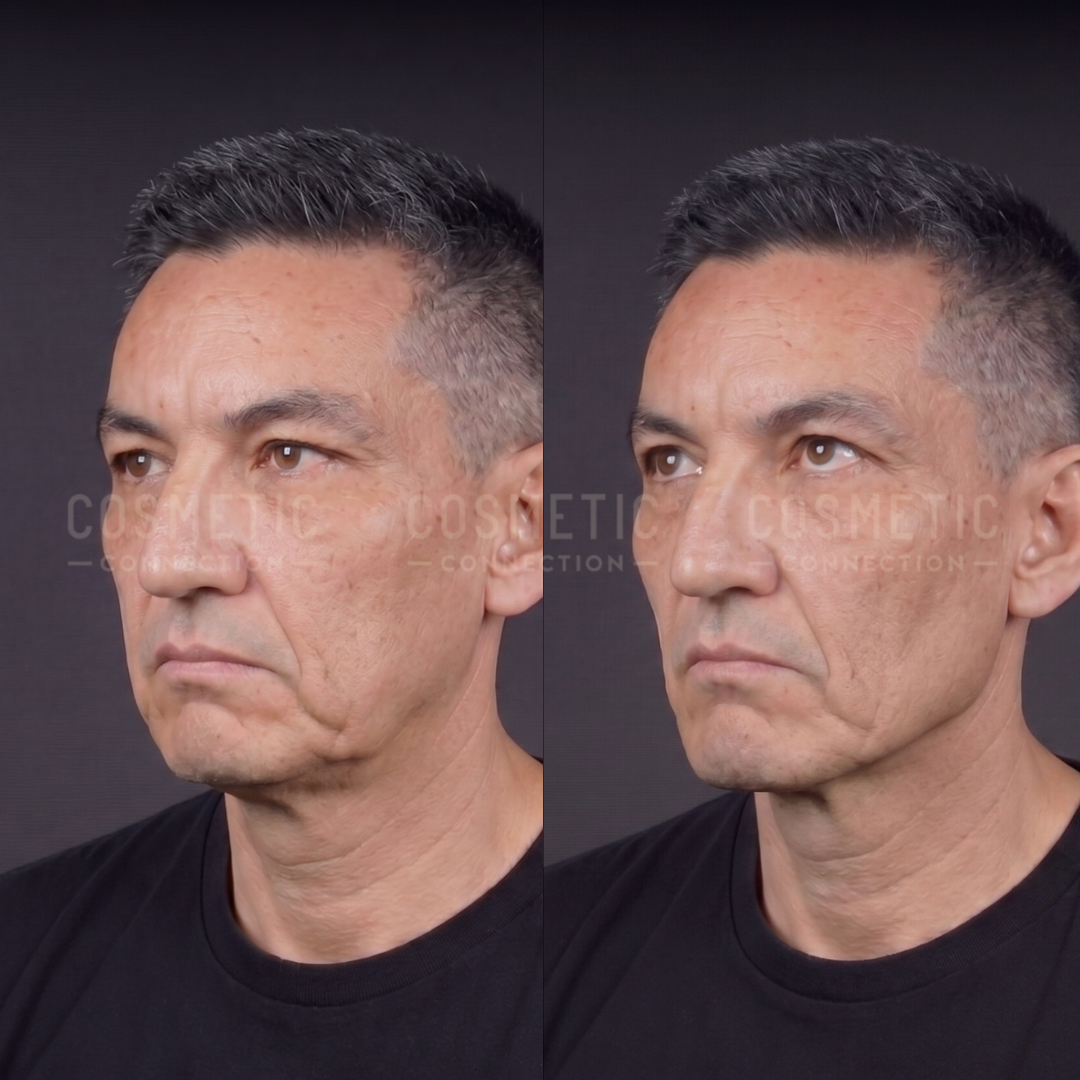
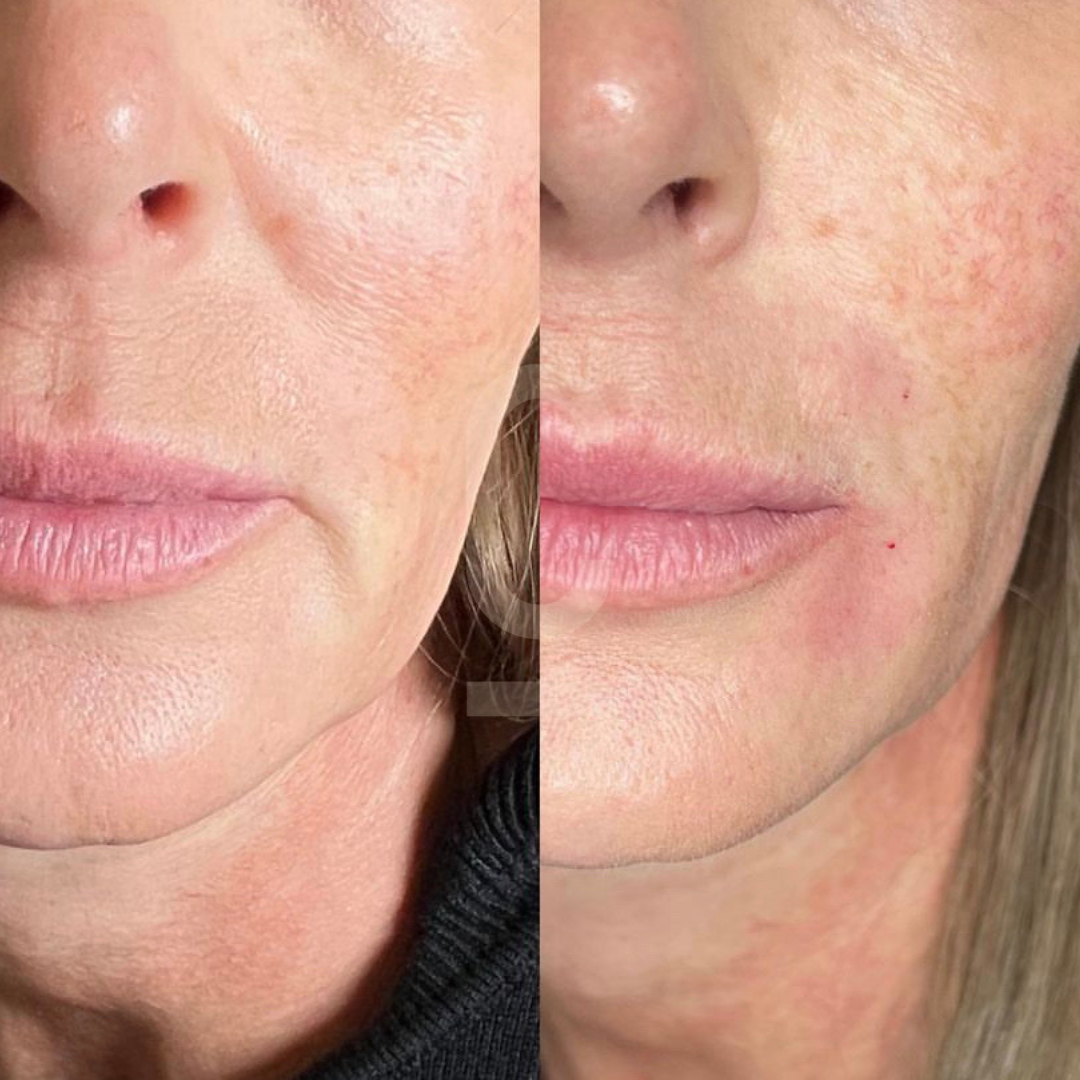
Sagging skin along the jawline is called “jowls”. Jowls give the lower face a heavier appearance, and result in a loss of jawline contour and definition.
Nasolabial folds
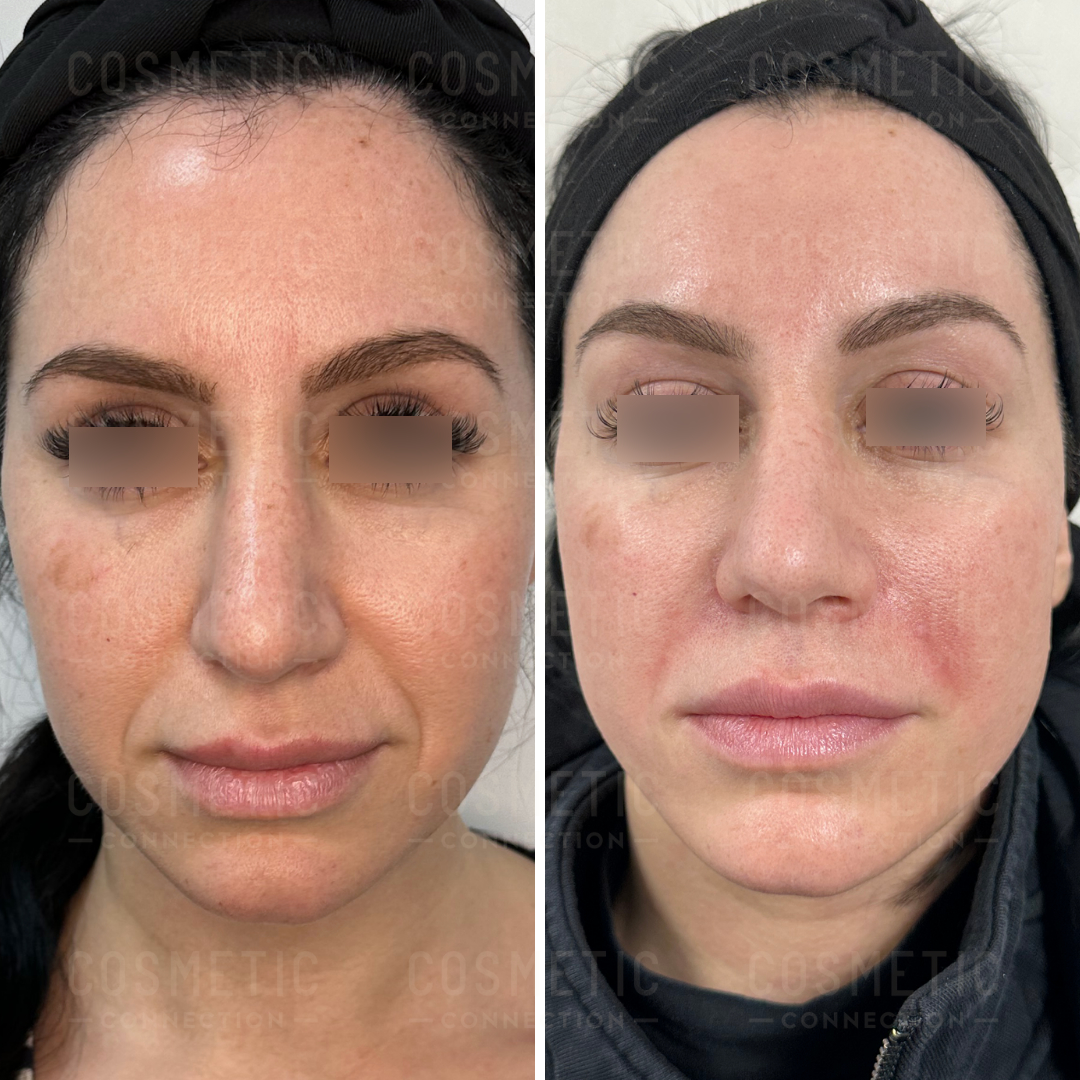
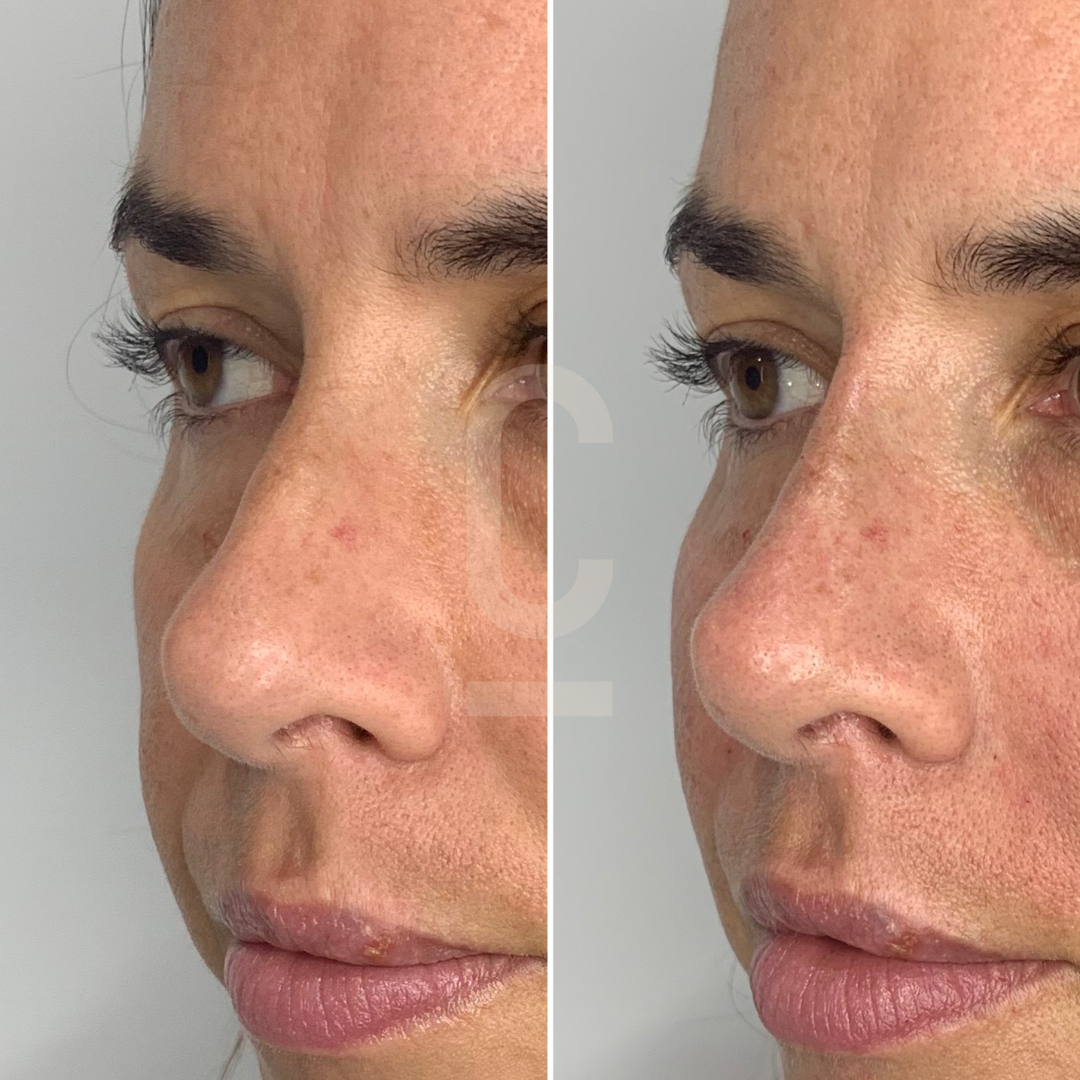
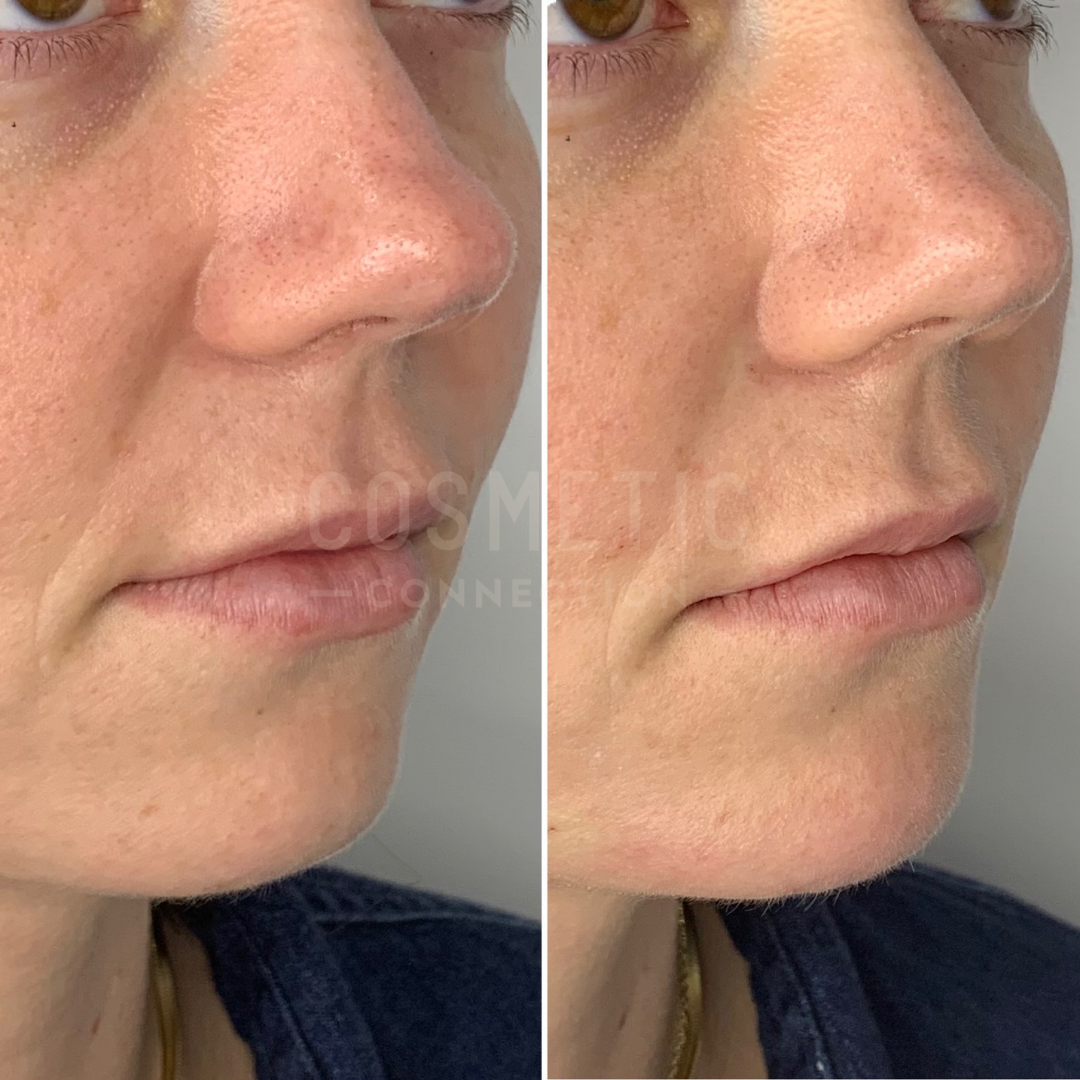
Grooves the extend downward from your nose to mouth corners, less commonly referred to as “smile lines”.
They result from naturally full cheeks, but also develop with age as the face loses volume and skin begins to sag.
Neck
Vertical neck bands develop as the underlying platysma muscle becomes tense in response to sagging neck skin.
Mouth corners
As the skin loses elasticity and muscles become tense, the mouth corners turn downwards, creating a “sad smile” appearance.
Cheeks
With age, cheek fat pads descend, causing a loss of curve and contour.
Eyelids
Upper eyelids become heavy as the skin loses collagen and elastin, and the natural supporting structures recede.
Marionette lines
Lines the extend downward from your mouth corners to the chin, also known as “puppet lines”.
They result from naturally full lower cheeks, but also develop with age as skin begins to sag, and lower face muscles become tense.
Jawline
Sagging skin along the jawline is called “jowls”. Jowls give the lower face a heavier appearance, and result in a loss of jawline contour and definition.
Nasolabial folds
Grooves the extend downward from your nose to mouth corners, less commonly referred to as “smile lines”.
They result from naturally full cheeks, but also develop with age as the face loses volume and skin begins to sag.
Neck
Vertical neck bands develop as the underlying platysma muscle becomes tense in response to sagging neck skin.
Mouth corners
As the skin loses elasticity and muscles become tense, the mouth corners turn downwards, creating a “sad smile” appearance.
Cheeks
With age, cheek fat pads descend, causing a loss of curve and contour.
Eyelids
Upper eyelids become heavy as the skin loses collagen and elastin, and the natural supporting structures recede.
Marionette lines
Lines the extend downward from your mouth corners to the chin, also known as “puppet lines”.
They result from naturally full lower cheeks, but also develop with age as skin begins to sag, and lower face muscles become tense.

Why Cosmetic Connection?
Our focus is on thoughtful, measured assessments and personalised clinical plans, ensuring your treatment is guided by medical expertise.
Our process ensures you’re a good fit for treatment before you commit.
Every recommendation is completely tailored to your anatomical baseline and desired result.
Refine your looks without the risk, cost, or extended downtime of surgery.
Our treatment options are based on strong clinical evidence, and a proven track record or efficacy and safety.
Our all-inclusive, flat-fee pricing structure ensures your clinician is focussed entirely on your result, not the amount of product used.
Still unsure? Read our essential guide before you book.

The role of skin support & structure in appearance
The appearance of the human face relies on a delicate balance between bone, muscle, fat, and skin. Over time, natural ageing, genetics, and environmental factors affect not just volume, but the skin’s ability to remain firm and supported. As structural integrity declines, this can lead to laxity, descent, and a softening of facial definition.
Modern non-surgical medicine offers ways to address these changes without surgery. Rather than simply adding volume, contemporary approaches focus on improving support, enhancing skin quality, and refining more youthful contour and positioning.
The science of facial ageing
Structural foundations
The face is supported by a layered framework of:
- Bone – provides the underlying scaffolding for shape and projection
- Deep fat pads – contribute to support and contour
- Muscles – influence movement and dynamic expression
- Skin – the outer envelope, responsible for firmness, elasticity, and resilience
With time, each layer undergoes change. Bone subtly remodels, fat compartments shift, and most importantly, skin loses collagen, elastin, and hydration. This reduces its ability to resist gravity and maintain structure.
The result is not just volume loss, but descent and laxity, often seen as heaviness through the mid-face, softening along the jawline, and the development of folds and shadows.
Key areas affected by skin laxity and sagging
- Mid face: the development of nasolabial folds
- Mouth area: resulting in marionette (mouth-to-chin) lines
- Lower face: noticed as jowling and a loss of jawline definition
- Neck: often visible as vertical neck bands
- Eyes: experienced as brow and upper eyelid heaviness
Have questions?
Read the FAQ for general information. For personalised advice, start here.
To treat sagging skin non-surgically, approaches focus on rebuilding structure, improving skin and soft tissue integrity, and defining the underlying facial contours.
Depending on the specific anatomy, treatments may target volume, muscle activity, or collagen.
Non-surgical methods for treating sagging skin typically have minimal pain. While everyone’s experience is different, we take a proactive approach to your comfort, utilising a range of effective numbing techniques.
Yes. Our approach to treating sagging skin reflects our commitment to natural, seamless results.
We prefer to take a conservative approach, and refine with additional sessions if required.
The longevity of your results depends on the methods used, and the rate your body degrades the treatment.
Most treatments require maintenance every 12-24 months if you wish to sustain results.
One of the best things about non-surgical treatments for sagging skin is that they have little impact on your daily activities.
With some limited exceptions, in most cases you can resume normal activity immediately.
Some things to avoid include hot environments and makeup for 24 hours.
Yes, non-surgical treatment for sagging skin have a good safety profile.
However, like all treatments, there are risks, which is why it is important to choose an experienced, doctor-led clinic for your procedure.