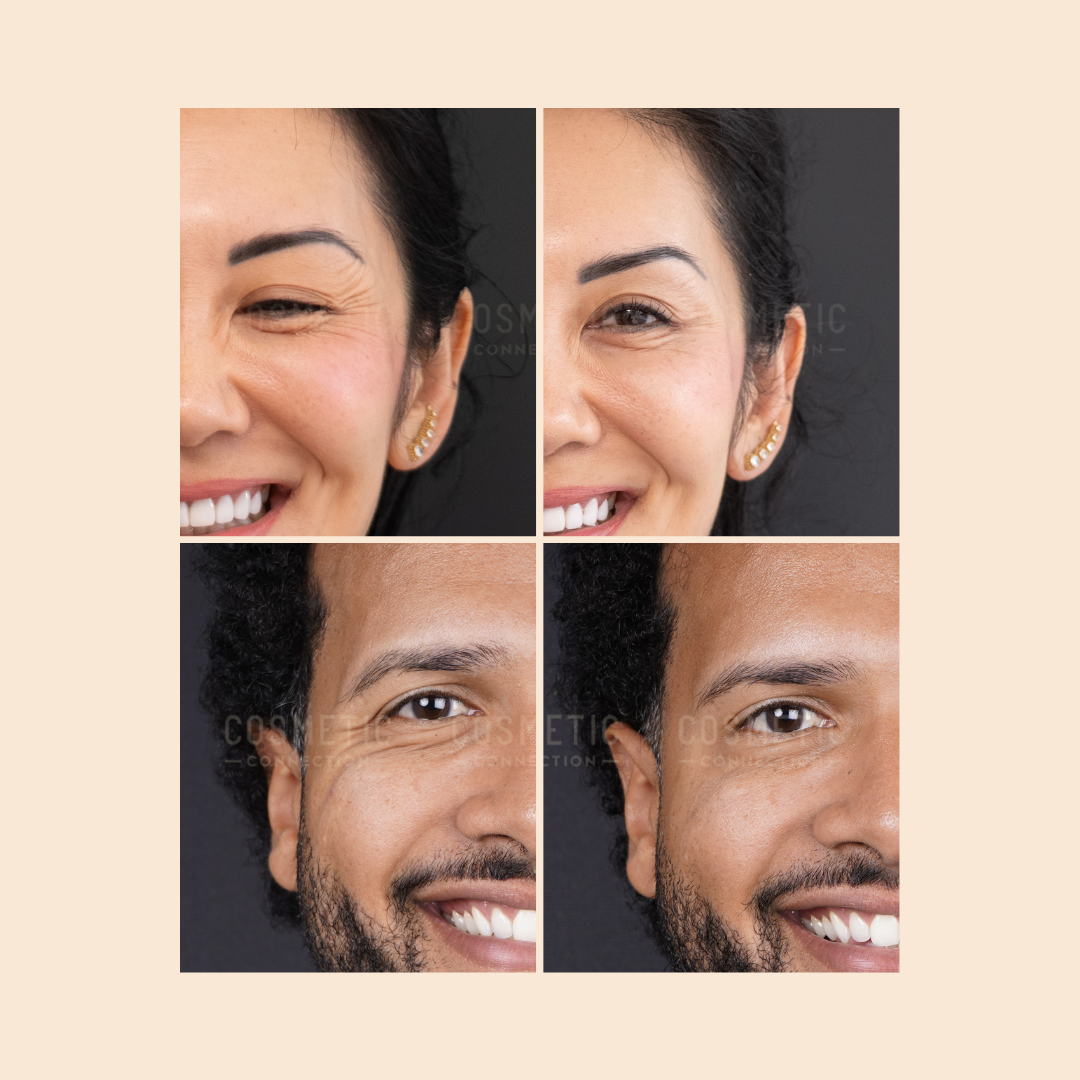
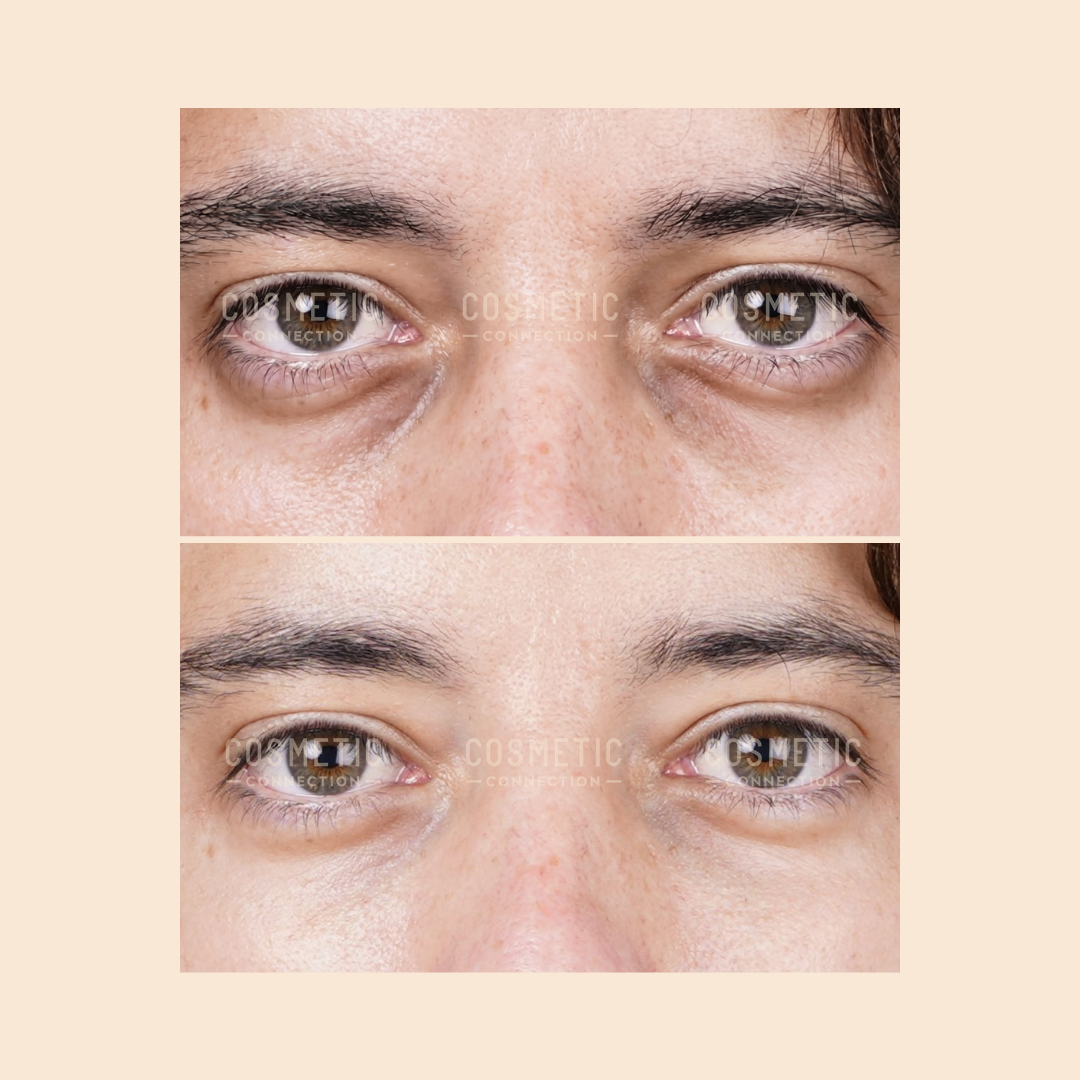
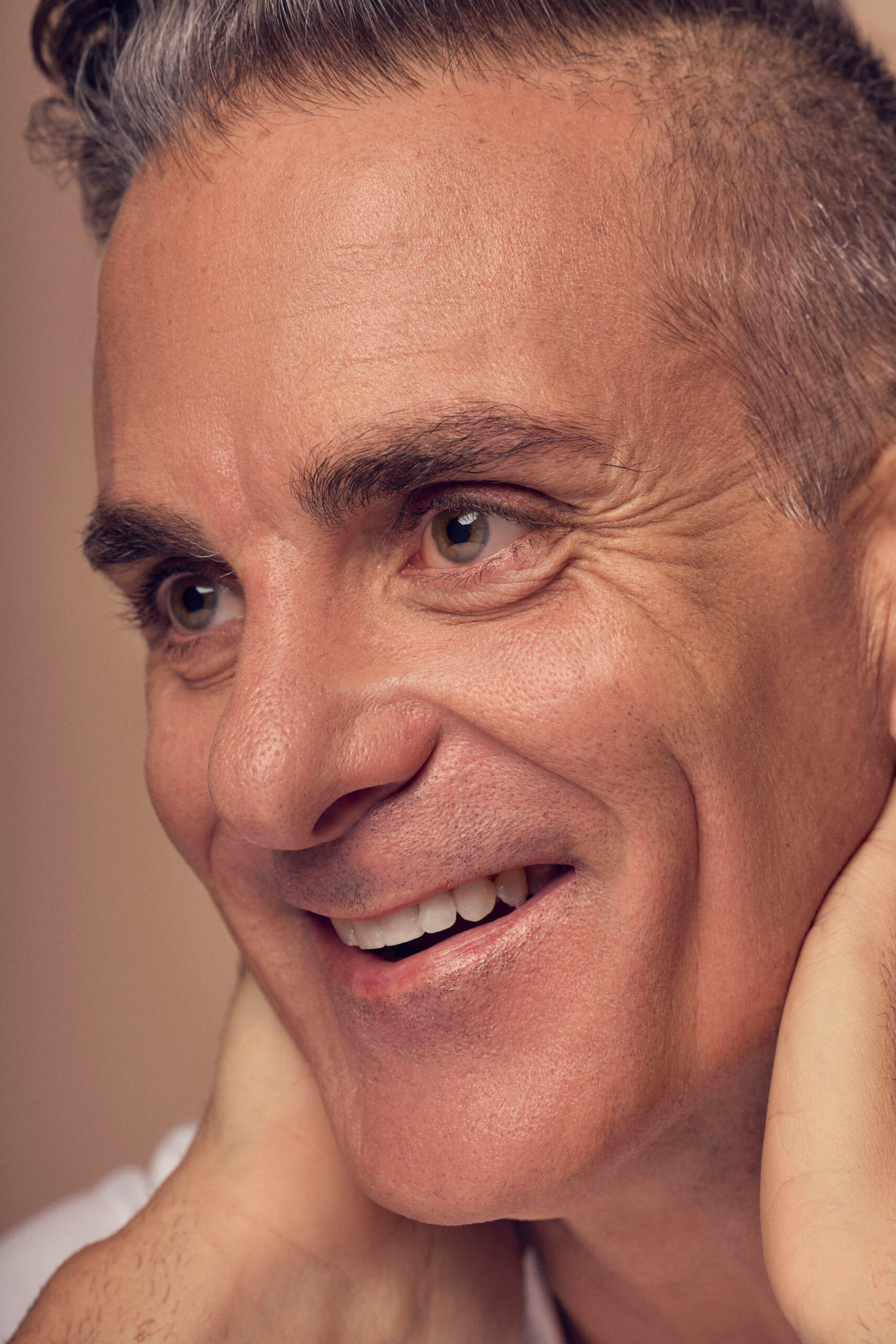
Frown line treatment
10 min typical treatment time
Doctor-led, surgery-free
Completely personalised results
All-inclusive pricing & ongoing support
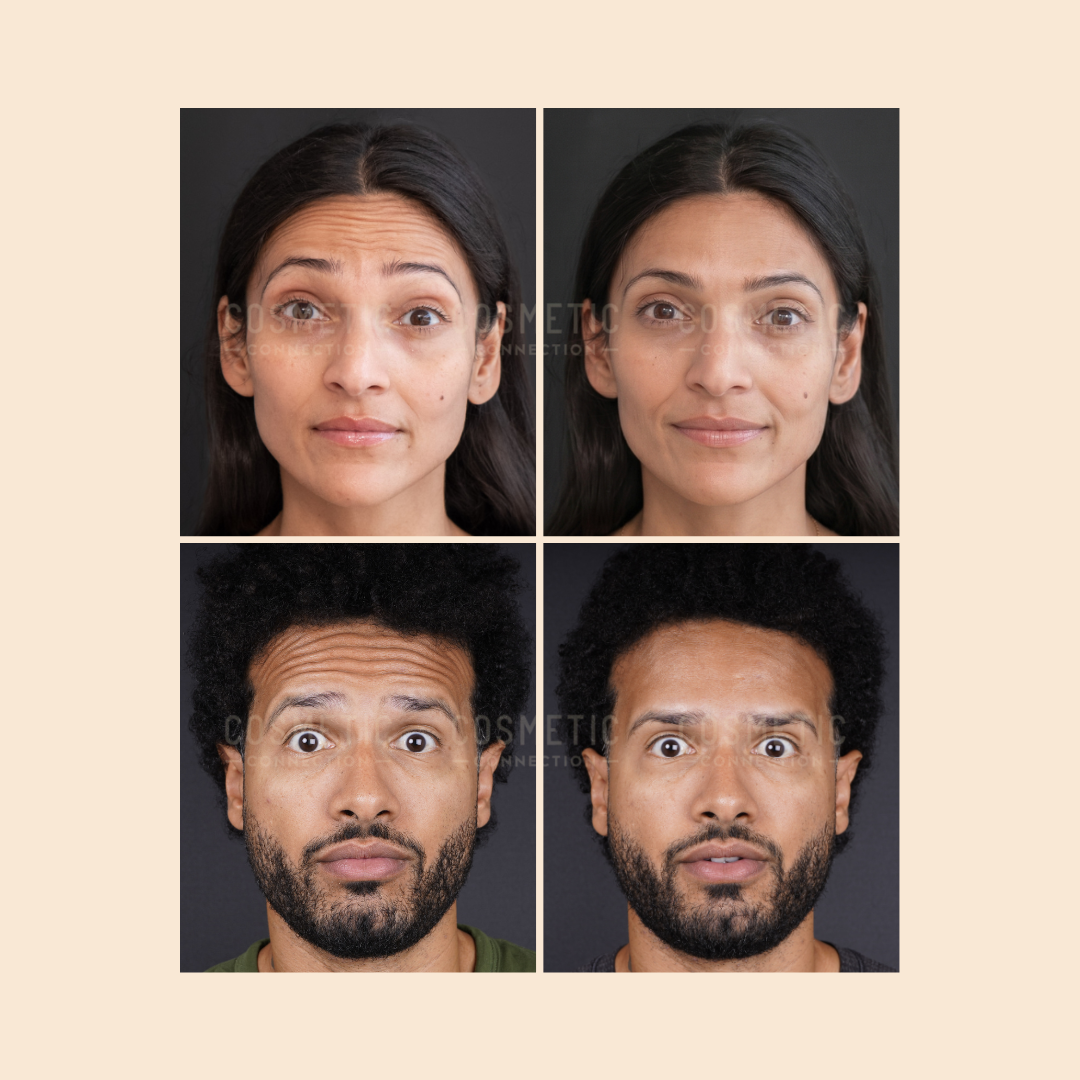
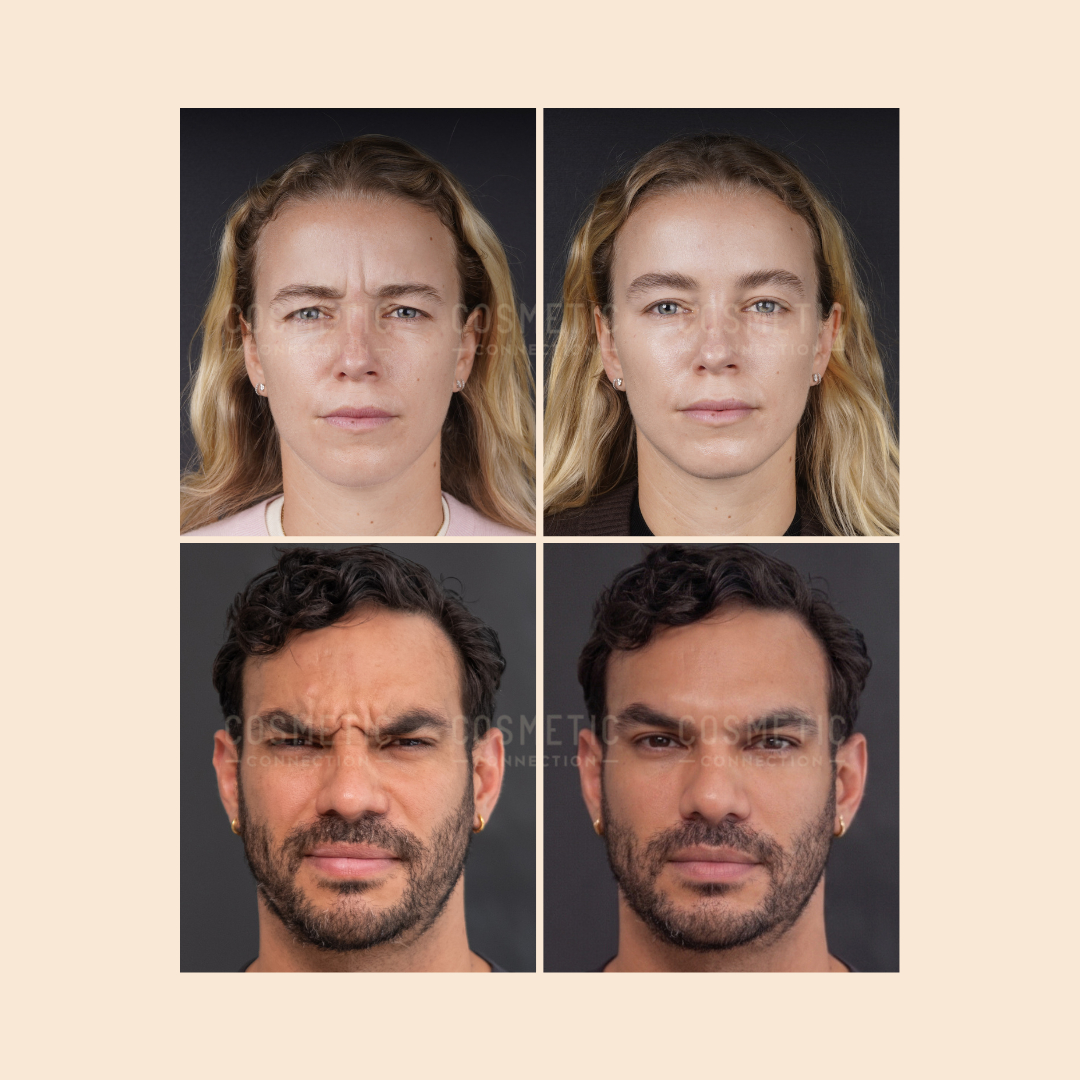
Soften frown lines and wrinkles with an approach designed for balanced, natural-looking results.
Start your booking process by providing us some details
As seen in











When skincare stops being enough
Treat frown lines the medical way.
You haven't changed, your skin has
It's confronting to notice frown lines, especially when you care for your skin. Glabellar wrinkles progress due to deeper structural changes.
Your current efforts aren't the full solution
Serums & surface solutions help skin quality but don't fix deeper changes. It’s not about doing more, it’s about choosing treatment that targets the cause.
This isn’t about change, it’s about preservation
It’s about looking refreshed, rested, and like yourself, all while preserving natural expression and identity.
Refined, not different
Our clinicians design your plan using the CXN Method™ and treat to the Undetectable Standard™.
Treatment info
Goals
Suitability
Preparation
Aftercare
Results
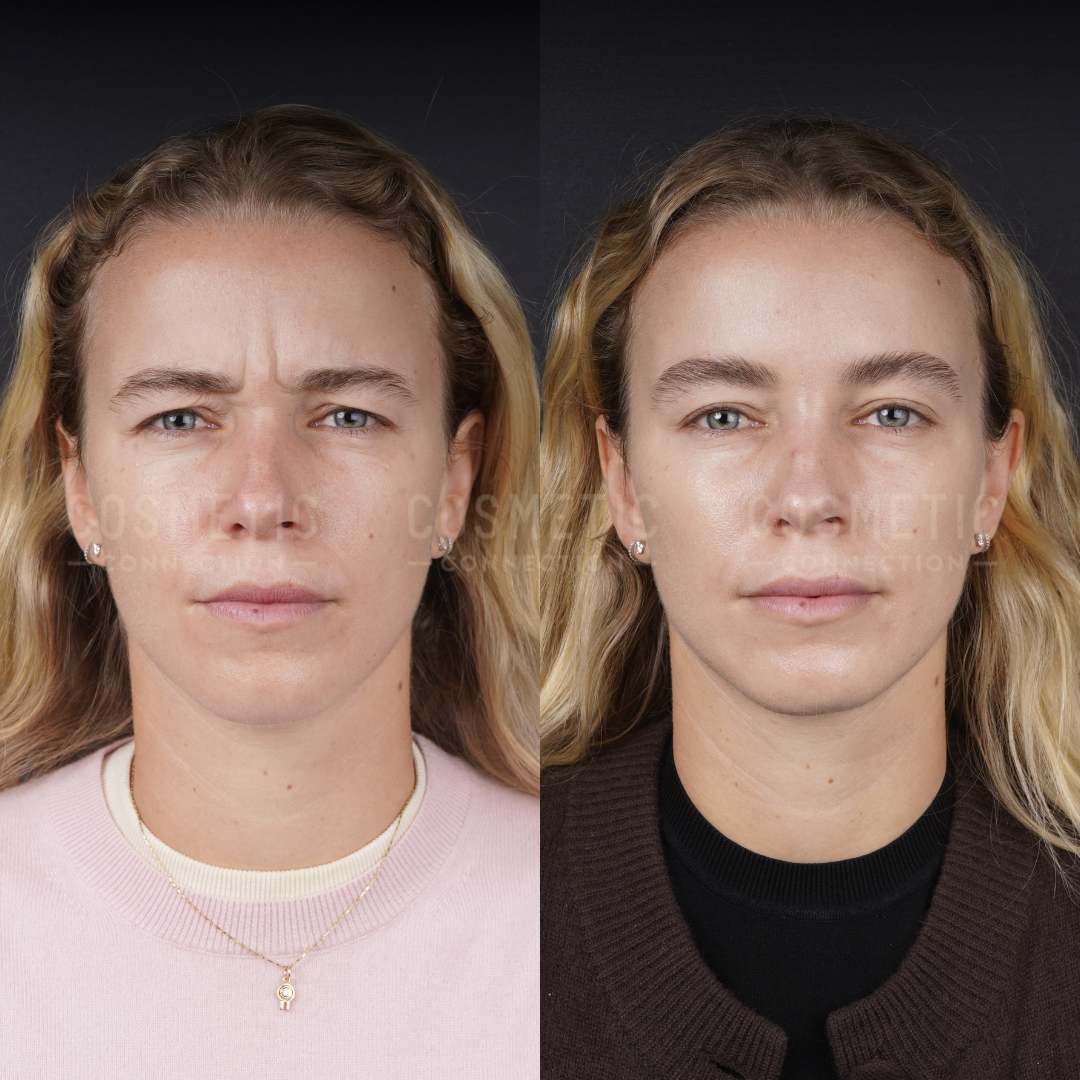
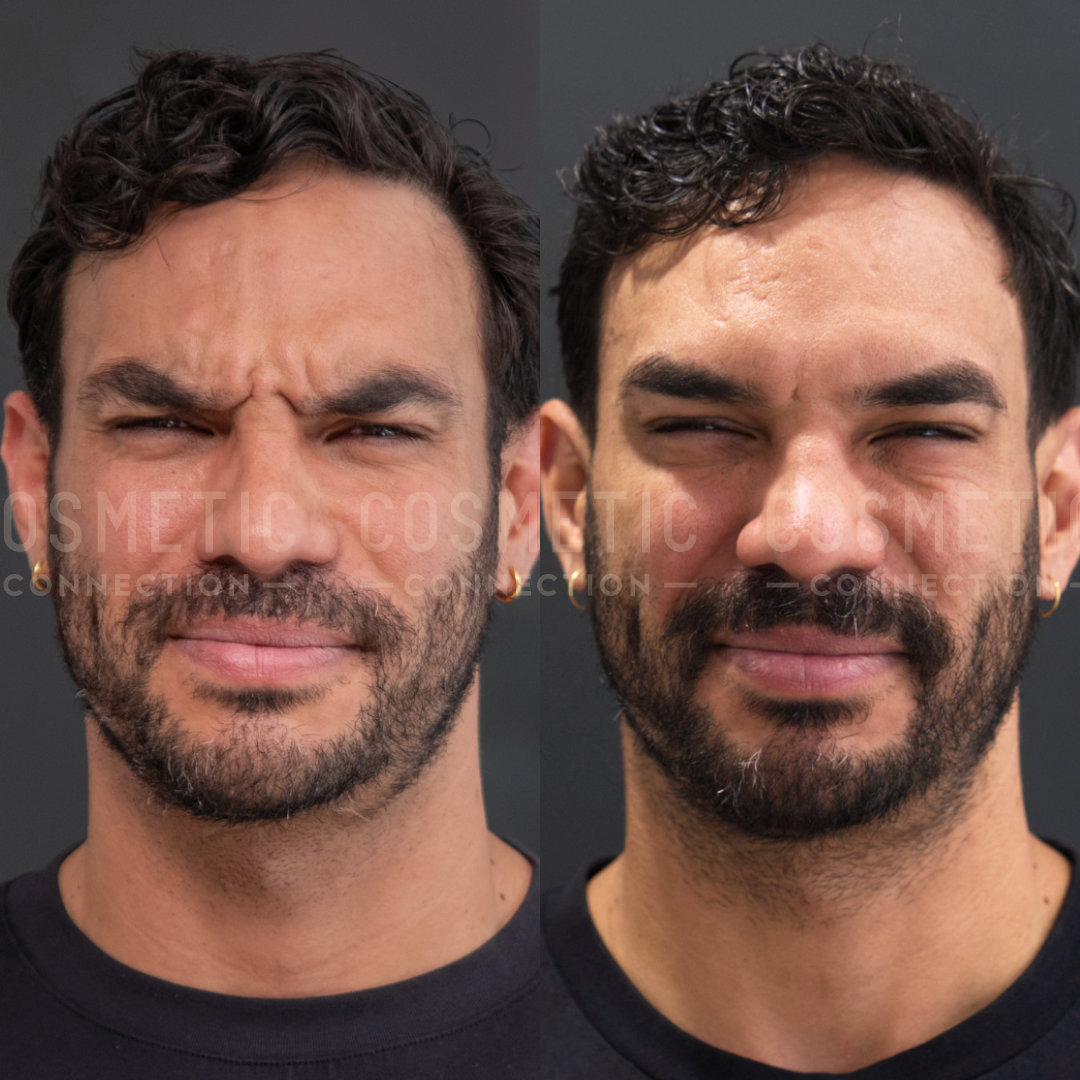
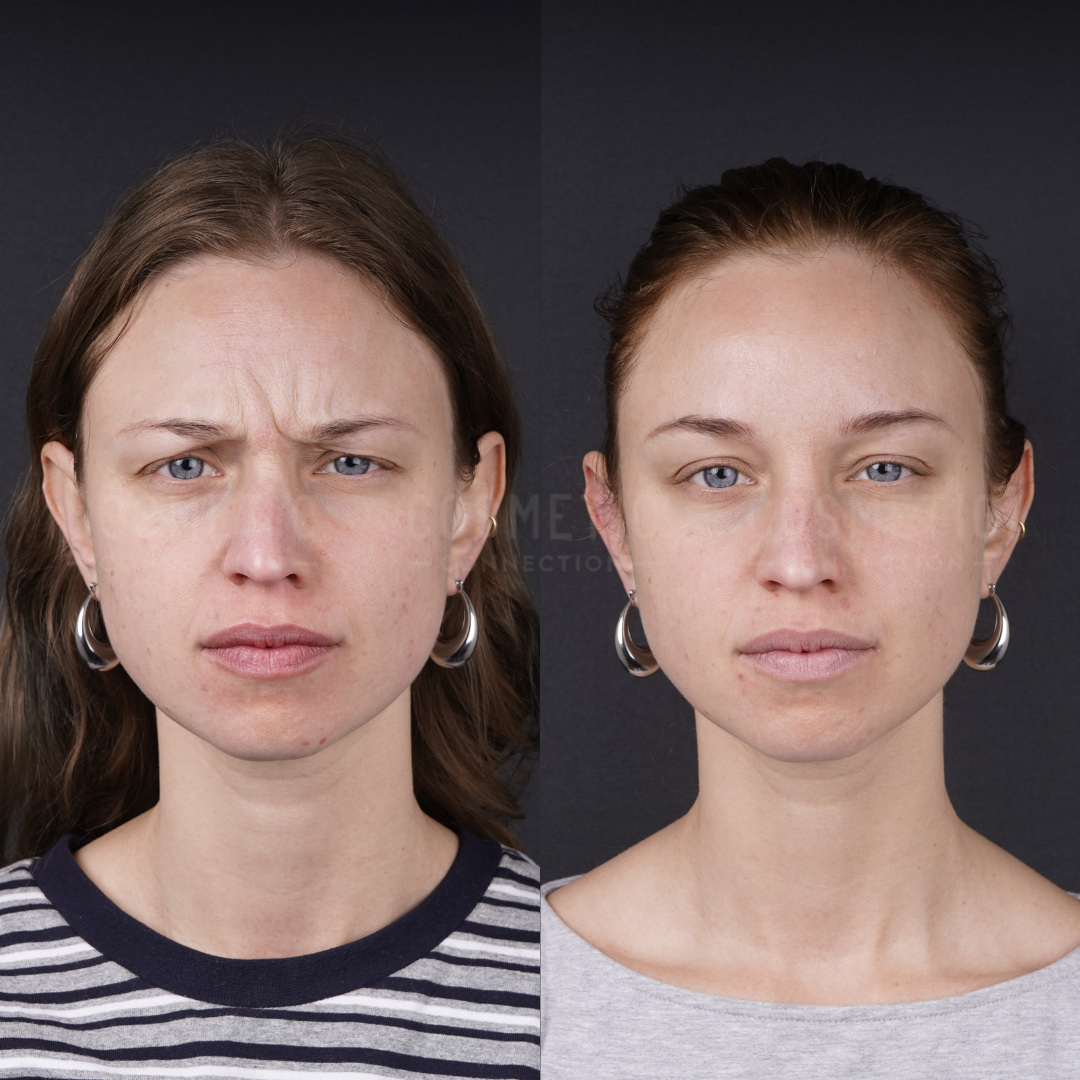
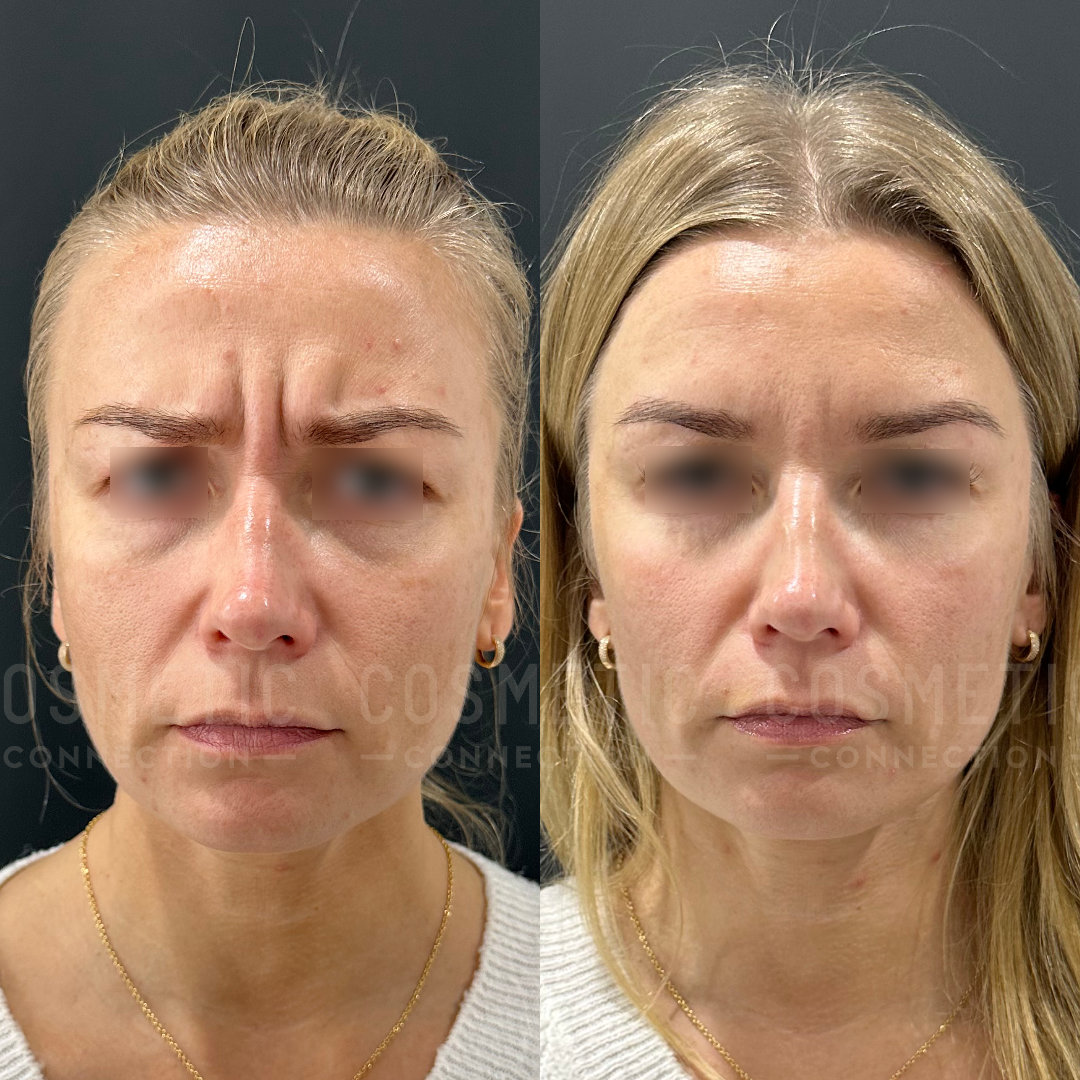
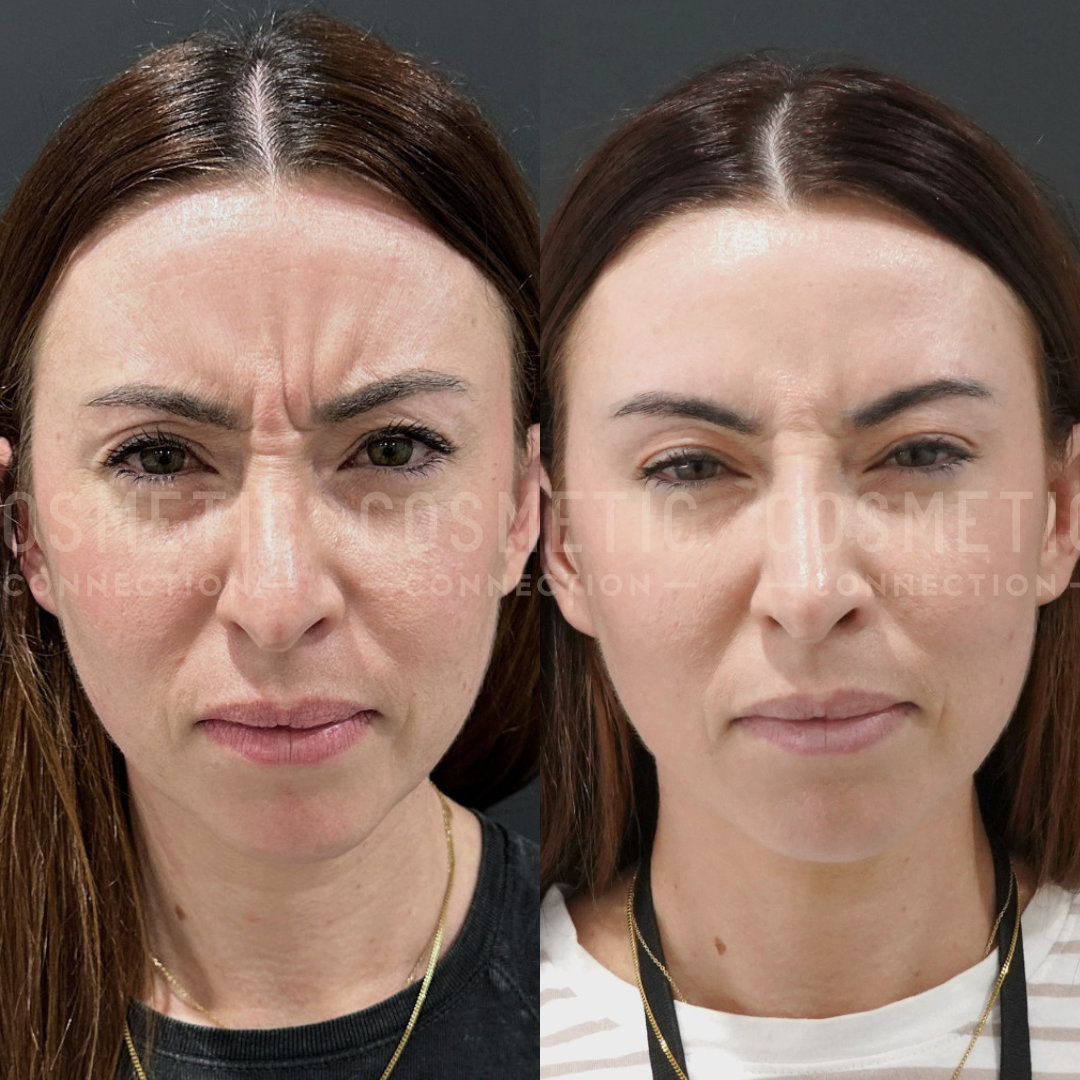
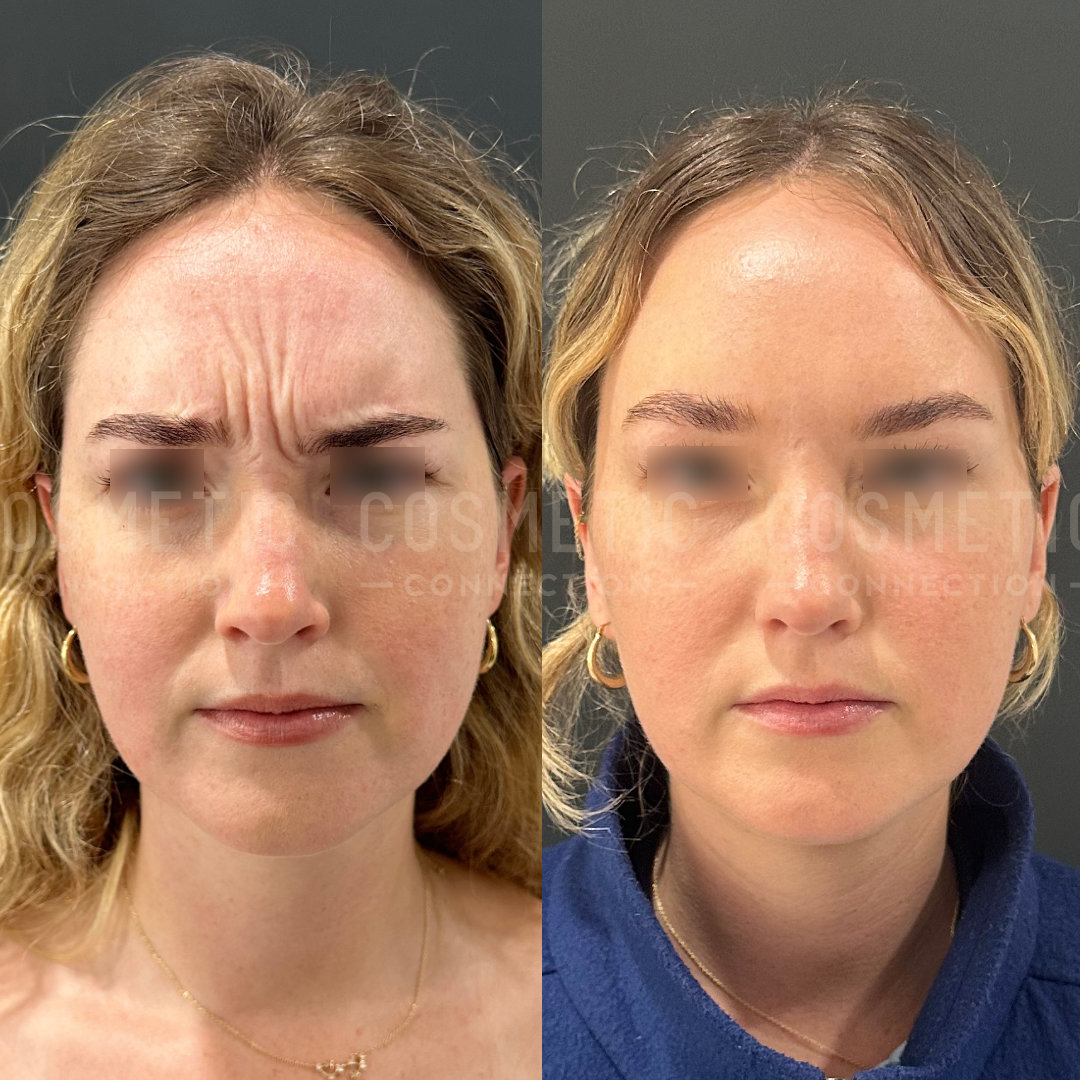

Why Cosmetic Connection?
Our focus is on thoughtful, measured assessments and personalised clinical plans, ensuring your treatment is guided by medical expertise.
Our process ensures you’re a good fit for treatment before you commit.
Every recommendation is completely tailored to your anatomical baseline and desired result.
Refine your looks without the risk, cost, or extended downtime of surgery.
Our treatment options are based on strong clinical evidence, and a proven track record or efficacy and safety.
Our all-inclusive, flat-fee pricing structure ensures your clinician is focussed entirely on your result, not the amount of product used.
Still unsure? Read our essential guide before you book.

What causes frown lines?
Frown lines—also known as 11 lines, glabella lines, or forehead furrows—are vertical lines that form between the eyebrows. They develop primarily due to repeated muscle movement, combined with age-related changes in the skin.
The main muscles involved are the corrugator and procerus muscles. These muscles pull the eyebrows inward and downward, creating expressions such as frowning, concentrating, or squinting.
Over time, repeated contraction of these muscles causes the skin to crease, eventually forming visible vertical lines between the brows.
Why are they called “11 lines”?
The term “11 lines” comes from the appearance of two vertical lines forming between the eyebrows, resembling the number 11. In some individuals, a single deeper line or multiple lines may also develop.
What contributes to glabella lines becoming more noticeable?
Frown lines are influenced by both movement and skin quality. Contributing factors include:
- Repetitive facial expressions – Frowning, squinting, or concentrating
- Collagen loss – Reduced structural support in the skin
- Decreased skin elasticity – Skin becomes less able to rebound after movement
- Sun exposure – Accelerates skin ageing and line formation
- Stress and tension – Habitual brow contraction can deepen lines over time
How frown lines develop over time
Frown lines typically progress through stages:
- Early stage: Lines appear only with expression (dynamic lines)
- Moderate stage: Lines become more noticeable and take longer to fade
- Advanced stage: Lines remain visible at rest (static lines)
This progression varies depending on genetics, lifestyle, and facial movement patterns.
Why frown lines can make you look tired or tense
Because frown lines are associated with expressions like concern or frustration, they can unintentionally create a more tired, stressed, or serious appearance—even when your face is at rest.
This is why they are often one of the first areas people notice when considering aesthetic changes.
Understanding your frown lines
Frown lines are rarely caused by a single factor. A comprehensive assessment considers:
- Your natural expression patterns
- Muscle strength and activity in the brow area
- Skin quality and elasticity
- Overall upper-face balance
This allows for a personalised approach tailored to your individual facial anatomy and concerns.
Addressing frown lines
Consultations for frown lines focus on identifying the underlying causes of your lines and how they relate to your facial expressions and structure.
Appropriate options may be discussed based on your goals, with an emphasis on maintaining natural expression and achieving balanced, subtle results.
Can you prevent frown lines?
Frown lines—also known as 11 lines or glabella lines—cannot always be completely prevented, as they are influenced by natural facial expressions, genetics, and ageing. However, their development and depth can often be slowed with the right preventative approach.
Prevention focuses on reducing repetitive strain on the brow area while supporting overall skin quality.
How to reduce the risk of frown lines
Be mindful of repeated brow movement
Frown lines are largely caused by repeated contraction of the muscles between the eyebrows.
- Notice habits like frowning, squinting, or concentrating
- Try to relax the brow when not needed
- Be aware of tension during screen use or stress
Small, repeated movements over time are what lead to deeper lines.
Wear sunglasses to reduce squinting
One of the most overlooked causes of frown lines is squinting in bright light.
- Wear sunglasses outdoors, especially in strong sunlight
- Choose styles that provide adequate coverage
- Reduce the need to constantly contract the brow muscles
This simple habit can significantly reduce repetitive strain on the glabella area.
Protect your skin from sun exposure
Sun damage accelerates the breakdown of collagen and elastin, making lines form more easily.
- Apply broad-spectrum SPF daily
- Reapply when outdoors for extended periods
- Combine sunscreen with physical protection like hats and sunglasses
Support collagen and skin quality
Healthy skin is more resilient to repeated movement.
- Use skincare that supports collagen (e.g. retinoids, antioxidants)
- Maintain consistent hydration
- Avoid smoking and excessive sun exposure
Improving skin quality can help prevent lines from becoming deeply set.
Address eye strain and screen habits
Frequent squinting from screens or poor vision can contribute to brow tension.
- Ensure your vision is properly corrected medically indicated
- Adjust screen brightness and positioning
- Take regular breaks to reduce eye strain
Start early, but appropriately
Preventative approaches are often most effective before lines become deeply established.
Early assessment allows for a personalised plan based on your muscle activity, skin quality, and facial anatomy.
Preventing frown lines is less about avoiding expression and more about reducing unnecessary strain on the brow and maintaining skin quality over time.
Have questions?
Read the FAQ for general information. For personalised advice, start here.
Frown lines—also known as 11 lines or glabella lines—are vertical lines that form between the eyebrows. They are caused by repeated contraction of the muscles that pull the brows together, particularly when frowning or concentrating.
Over time, repeated muscle movement combined with collagen loss can cause frown lines to become visible at rest. These are known as static lines and can remain even when your face is relaxed.
Frown lines can begin to appear in your late 20s to early 30s, often starting as lines that show only with expression. They may become more noticeable over time depending on genetics, skin quality, and facial habits.
Frown lines are vertical lines between the eyebrows, while forehead lines are horizontal lines across the forehead. They are caused by different muscles and may require different approaches.
Yes—because frown lines are associated with expressions like concern or tension, they can create the appearance of being tired, stressed, or upset, even when you’re not.
While they can’t always be completely prevented, their development can be slowed with sun protection, good skincare, and reducing repetitive strain on the brow—such as squinting or frowning.
Frown lines may gradually deepen over time as repeated movement continues and skin quality changes. Whether to treat is a personal decision based on your preferences and goals.
Discomfort is typically minimal. Most treatments are quick and well tolerated, with techniques used to maximise comfort during the procedure.
A common concern is looking “frozen.” When approached conservatively, the goal is to soften frown lines while maintaining natural expression. Treatment is tailored to avoid an overdone or expressionless appearance.
Yes—most patients retain natural movement. The aim is not to remove expression entirely, but to reduce excessive muscle activity that contributes to deeper lines.
Longevity varies depending on the treatment approach, individual metabolism, and lifestyle factors. This will be discussed during your consultation.
There is usually minimal downtime. Some mild redness or swelling may occur, but most patients return to normal activities shortly after.
When performed by a qualified and experienced practitioner, treatments are generally well tolerated. A thorough consultation is essential to assess suitability and discuss any potential risks.