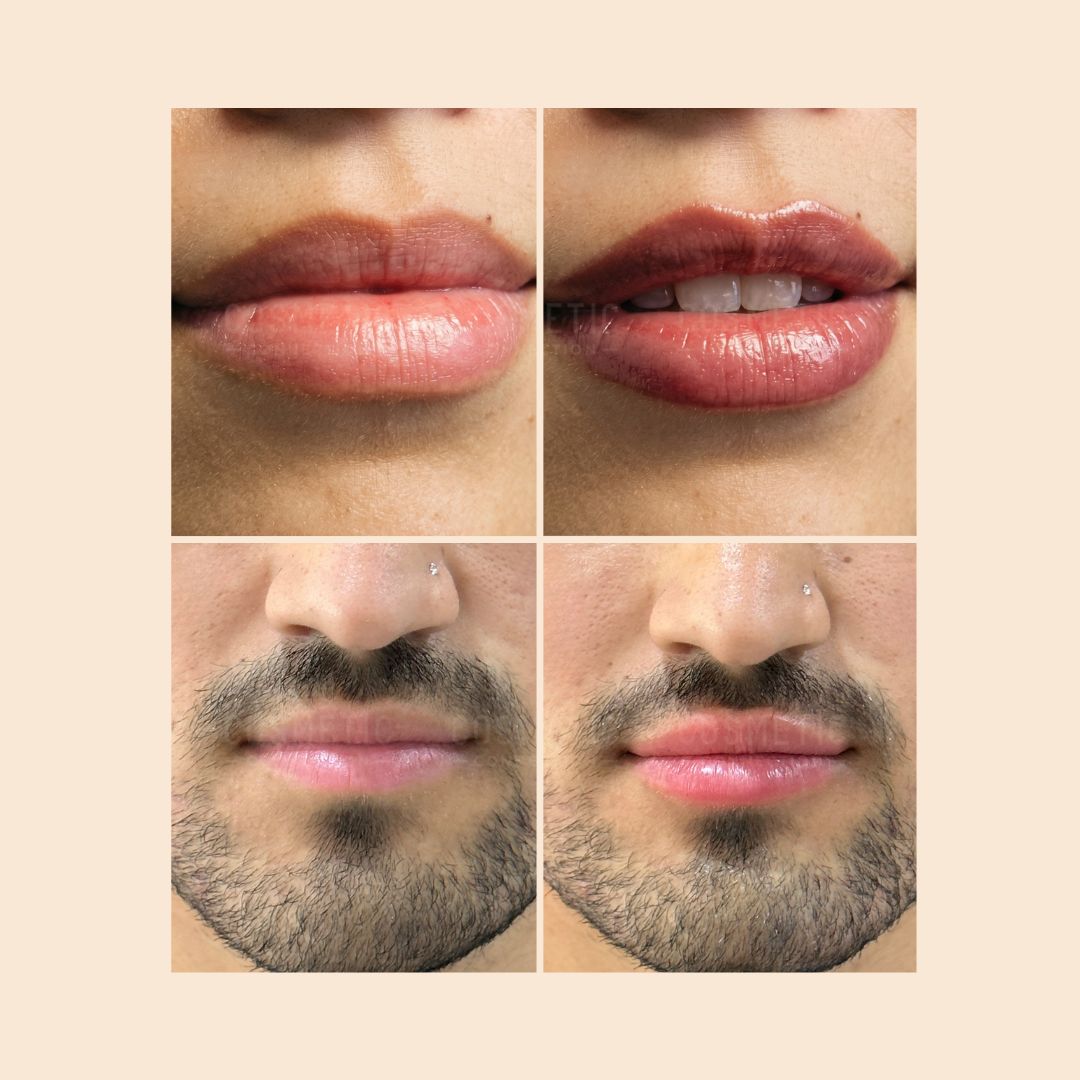
The technique used during a lip enhancement appointment significantly influences the shape, distribution, and quality of the result. This guide explains the main techniques used in Australian clinics, what each achieves, which anatomy each suits, and how the technique decision should be made.
Quick answer: The main lip enhancement techniques are classic volumising, Russian technique, cupid’s bow enhancement, and holistic peri-oral approach. Each produces a different result and suits different goals and lip types. Technique selection is a clinical decision based on individual anatomy, not a patient menu choice.
Why technique matters as much as volume
The same amount of substance placed by two different clinicians using two different techniques can produce completely different results in shape, distribution, longevity, and aesthetic outcome. Volume determines quantity; technique determines where that quantity goes and what it achieves.
Understanding the main techniques helps patients ask better questions at consultation and understand why their practitioner recommends a particular approach for their anatomy.
The main lip enhancement techniques
| Technique | Description | Result | Best suited to |
|---|---|---|---|
| Classic volumising | Product distributed through the body of both lips to add overall fullness | Softer, rounder fullness; natural volume increase | Patients primarily seeking overall volume increase; first-time patients with thin lips |
| Russian technique | Vertical treatment approach that creates height and projection centrally; product placed centrally with less lateral spread | Pronounced cupid’s bow, heart-shaped appearance; projection and height rather than overall volume | Patients wanting a defined, projected lip with clear central peak and minimal side volume |
| Cupid’s bow enhancement | Targeted volume at the two peaks of the upper lip to define the natural M-shape | More pronounced upper lip architecture; improved definition of the central lip feature | Patients with flat or undefined cupid’s bow; patients wanting upper lip character without overall volume |
| Holistic peri-oral approach | Multiple techniques tailored specifically to the entire lip region and goals; most common in experienced hands | Comprehensive result addressing multiple goals in a single session | Most patients: the anatomy dictates the combination |
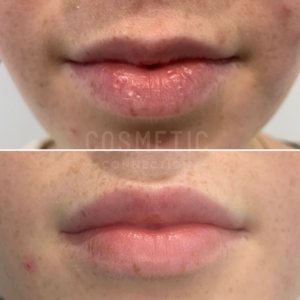
Before and after classic volumising lip treatment.
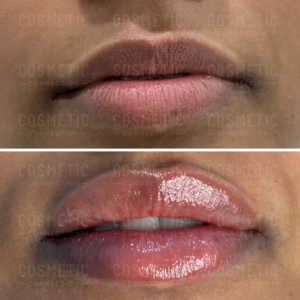
Before and after Russian lip technique.
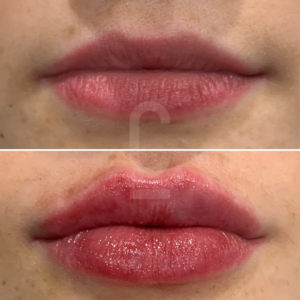
Before and after Cupid’s bow definition treatment.
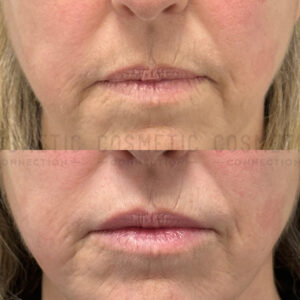
Before and after holistic perioral approach.
The Russian technique: detailed explanation
The Russian technique has become widely searched because of its distinctive aesthetic, a pronounced cupid’s bow, significant upper lip height and projection, and a heart-shaped appearance when looking straight on. It is not better or worse than other techniques, it produces a specific result that suits specific anatomy and goals.
The technique uses a vertical approach, placing product more centrally in the lip with less volume spread to the lateral portions. This creates height (the lip appears taller from above the border) and projection (the lip comes forward) rather than lateral fullness.
Considerations for the Russian technique:
- It requires advanced skills and specific training — it is not simply a matter of using a different syringe position
- It is not anatomically suitable for all lip types — patients with very thin lips or minimal natural upper lip height may not achieve the intended result and may be better served by classic volumising first
- It tends to break down slightly faster than classic technique because the product is more concentrated centrally in a high-movement zone
- Your practitioner should assess your anatomy before recommending this technique — requesting it specifically without assessment is not appropriate clinical practice
Needle vs cannula: how instruments affect the result
Both needles and cannulas are used for lip treatments. The choice of instrument affects technique, comfort, bruising risk, and precision.
| Instrument | Advantages | Disadvantages | Common use |
|---|---|---|---|
| Sharp needle | Greater precision; more control over exact placement; suited to small, precise treatment points | Higher bruising risk; multiple insertion points needed for full lip coverage | Border definition; cupid’s bow; small-volume targeted placement |
| Blunt cannula | Lower bruising risk; covers larger areas with fewer insertion points; reduced vascular penetration risk | Less precise for very targeted placement; requires specific technique | Overall volumising; body of the lip; patients with higher bruising risk |
Many experienced clinicians use the right instrument for the job — needle for precise work, cannula for volumising the body of thin lip. The instrument selection is a technical decision made by the practitioner based on the technique being used and the individual patient’s anatomy.
PDO thread techniques for the lips
PDO thread treatment for the lips uses a different mechanism — threads create definition rather than volume. The technique involves placing fine threads along the lip border or through the lip tissue, creating a mechanical lifting and everting effect as the threads tighten and integrate with surrounding tissue.
PDO thread techniques for the lips include border threads (placed along the vermillion border to define and slightly evert the lip edge), commissure threads (placed at the corners to lift downturned corners), and lip body threads (placed through the lip tissue to provide subtle lift and collagen stimulation). The technique used depends on the specific concern being addressed.
If you would like an honest assessment of what is realistic for your specific anatomy, request a consultation with our clinical team. We’ll assess your lips using our 3 pillar framework, and provide fair, honest guidance.
Get the decide guide
Frequently asked questions
Can I request a specific technique at my appointment?
You can express a preference for a particular aesthetic result — such as more height and projection, or softer overall fullness — and your practitioner should explain which technique best achieves that for your anatomy. Requesting a specific technique by name without assessment is not appropriate; the same technique produces different results in different anatomies, and your practitioner needs to assess you before recommending an approach.
Is the Russian technique safe?
Yes, when performed by a trained and experienced clinician. The technique requires specific training beyond general training, and practitioners who perform it should have demonstrated experience with this approach specifically. Ask directly about their training and experience with the Russian technique before proceeding.
Which technique gives the most natural result?
There is no single technique that universally produces the most natural result — the most natural result comes from the technique that best suits the individual anatomy and goals. For most patients seeking a natural enhancement, a combined anatomical approach using the minimum effective volume produces the most consistently natural outcome. See our detailed guide on natural lip enhancement results for more.
Do lip treatments hurt?
Some mild discomfort during lip treatment is normal. Most clinics offer topical numbing cream to reduce discomfort. Doctor-led clinics may also offer numbing to further reduce any sensations during treatment.