Start your booking process by providing us some details
As seen in













When you've had enough of holding back your smile
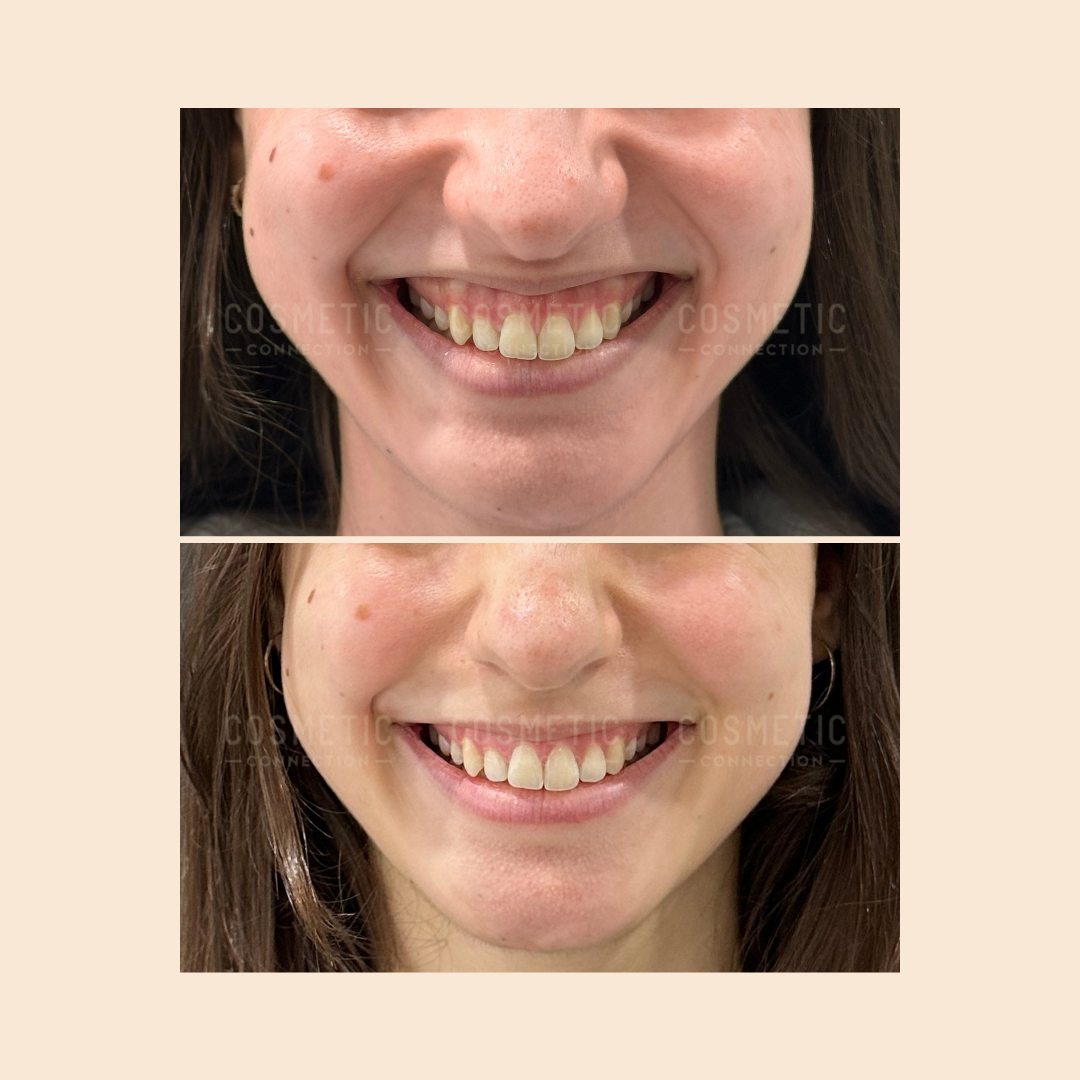
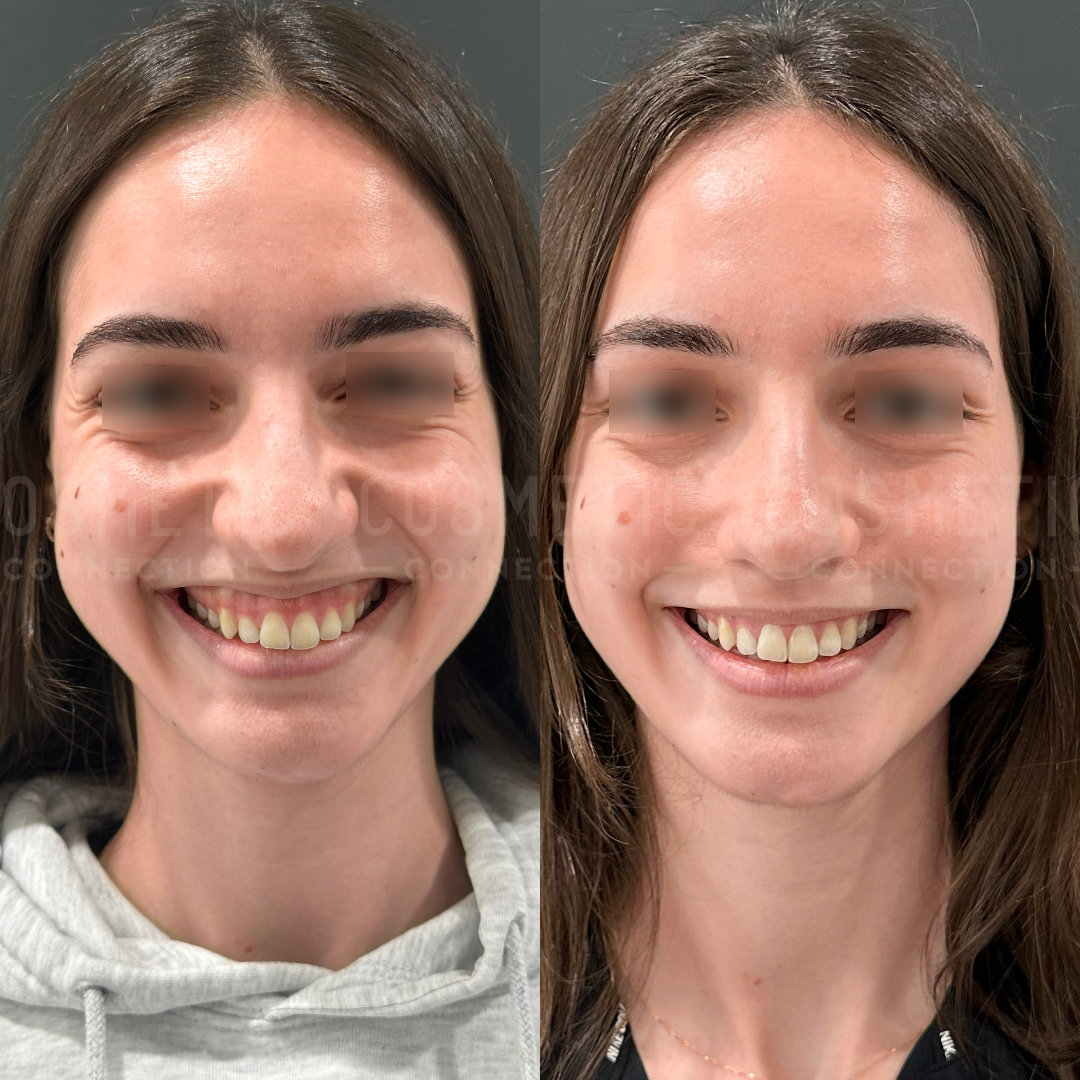
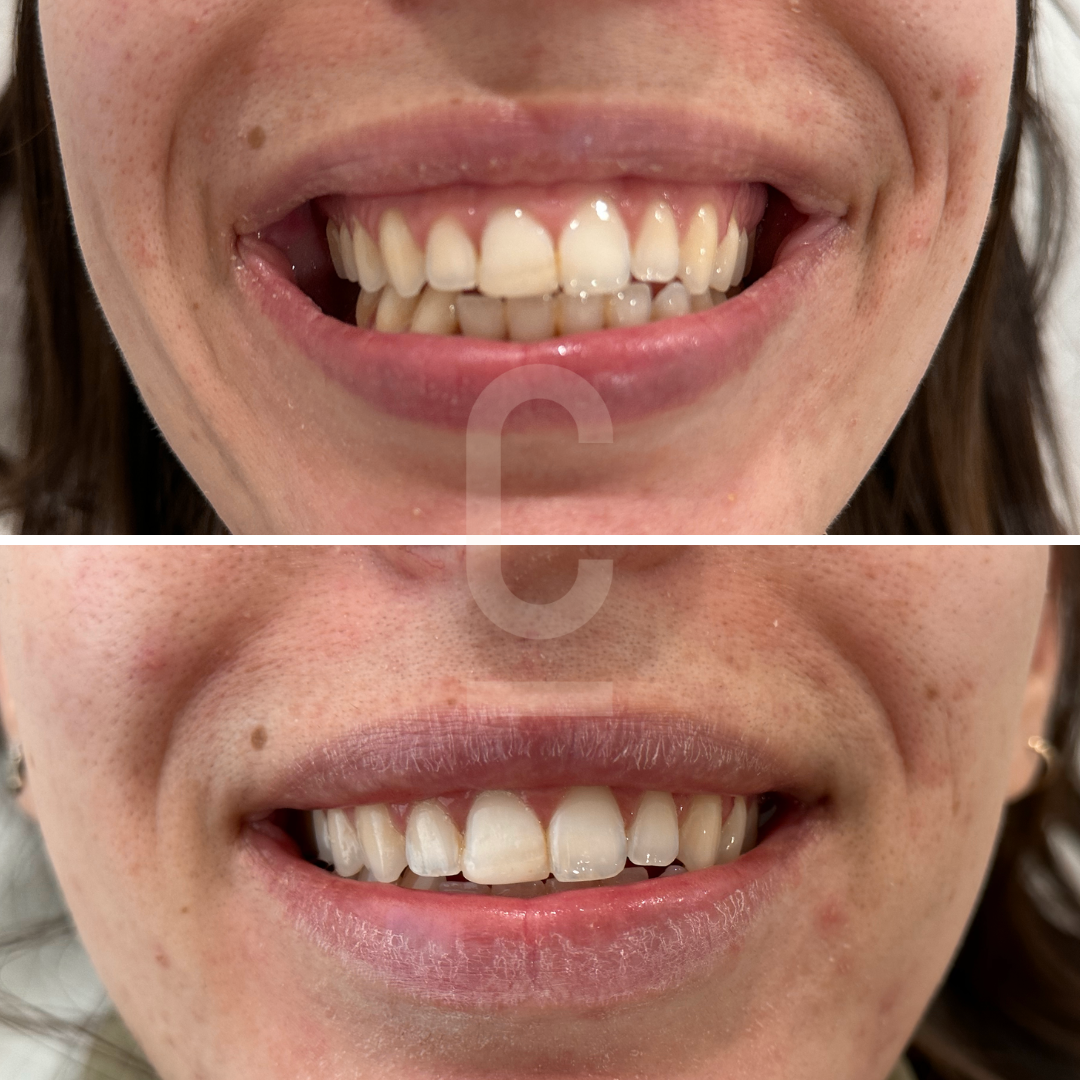
Treat your gummy smile without surgery.
It's not your smile, it's structural
Your smile reflects your personality. Visible gum tissue is not about who you are, its about structural imbalance in bone and muscle.
Conscious control holds you back
Actively holding back your smile masks your gum show, but holds you back from showing true happiness. True refinement targets the cause.
This isn’t about changing who you are
Treat gum show while preserving movement, allowing your genuine smile to show through without dramatic alteration.
Refined, not different
Our clinicians design your plan using the CXN Method™ and treat to the Undetectable Standard™.
Treatment info
Goals
Suitability
Preparation
Aftercare
Results


select treatment area
Lip curling
Strong lip muscles contribute to visible gum tissue by causing the lip to “tuck” when you smile.
Lip volume
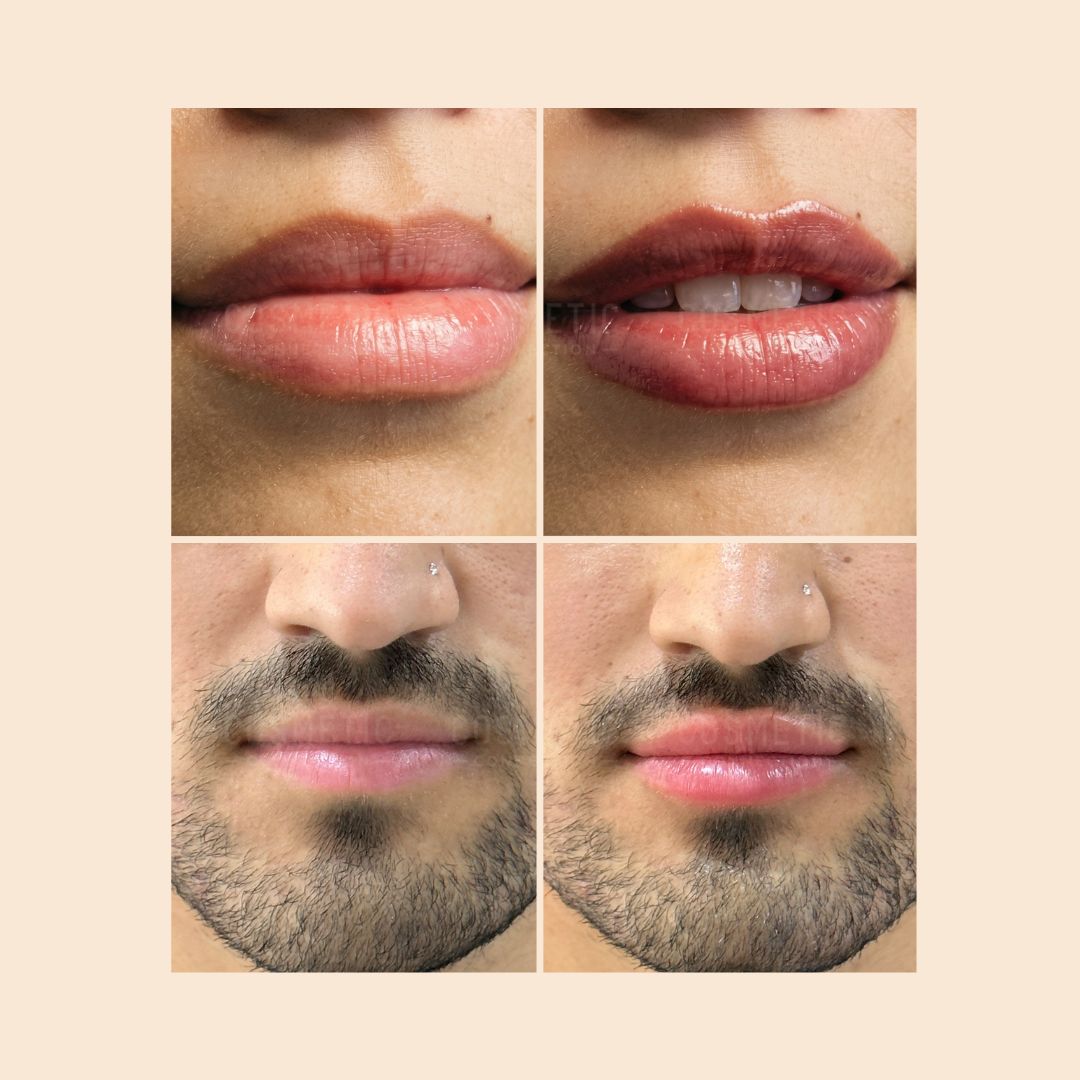
A lack of lip volume whether natural or from the ageing process can contribute to a gummy smile.
Smaller lips result in less “gum coverage” when smiling.
Lip elevator muscles
Strong mid-face muscles cause the top lip to lift excessively, revealing gum tissue when you smile.
Lip curling
Strong lip muscles contribute to visible gum tissue by causing the lip to “tuck” when you smile.
Lip volume
A lack of lip volume whether natural or from the ageing process can contribute to a gummy smile.
Smaller lips result in less “gum coverage” when smiling.
Lip elevator muscles
Strong mid-face muscles cause the top lip to lift excessively, revealing gum tissue when you smile.





Why Cosmetic Connection?
Our focus is on thoughtful, measured assessments and personalised clinical plans, ensuring your treatment is guided by medical expertise.
Our process ensures you’re a good fit for treatment before you commit.
Every recommendation is completely tailored to your anatomical baseline and desired result.
Refine your looks without the risk, cost, or extended downtime of surgery.
Our treatment options are based on strong clinical evidence, and a proven track record or efficacy and safety.
Our all-inclusive, flat-fee pricing structure ensures your clinician is focussed entirely on your result, not the amount of product used.
Still unsure? Read our essential guide before you book.


What causes a gummy smile?
A “gummy smile” occurs when excess gum tissue is visible above the upper teeth when smiling. What constitutes ‘excess gum’ is personal, and will vary between individuals. There are several factors that can contribute to this appearance, and understanding the underlying cause is key to determining the most suitable approach for addressing it.
One common reason for a gummy smile is hyperactive muscles that elevate the upper lip, causing it to rise too high during a smile. Other contributing factors can include naturally thin lips or lips that become thinner when smiling, which can make the gums appear more prominent. Additionally, the size and proportion of the teeth themselves can play a role; if teeth appear shorter, the surrounding gum tissue might seem comparatively larger. Excess gum tissue or even a longer upper jawbone can also be underlying causes of a gummy smile.
How to treat your gummy smile
If you don’t like the appearance of a gummy smile, there are various treatment options available. The most suitable treatment approach for a gummy smile depends on the underlying cause, as identified during a thorough in-person assessment.
The most common non-surgical treatments often recommended for improving a gummy smile focus on the muscles that elevate the upper lip, the volume of the lips themselves, or a combination of these factors to create a more balanced and harmonious smile.
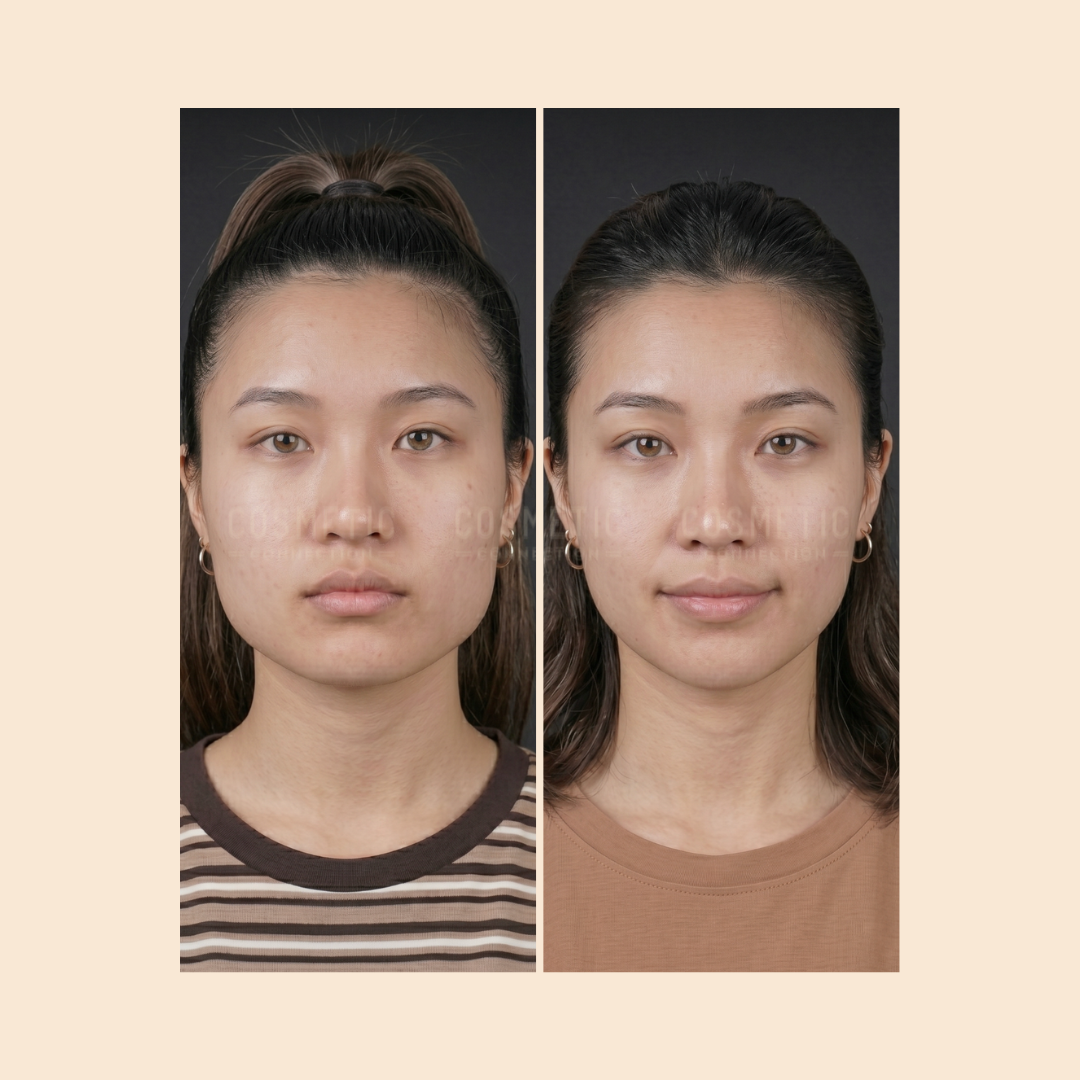
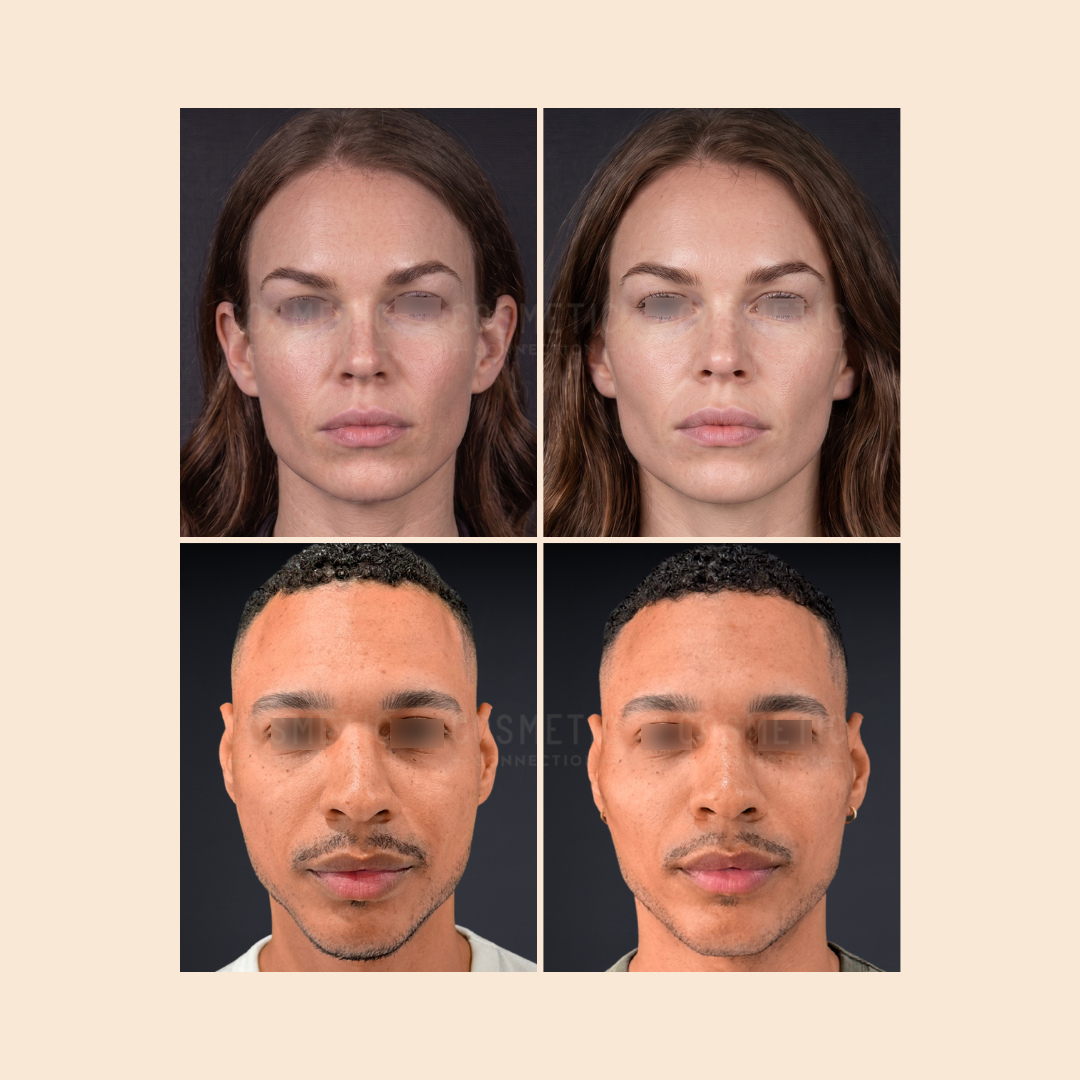
By addressing the muscles that elevate the top lip, it sits lower, covering more of the gum tissue when smiling.
By relaxing the top lip muscle, it won’t curl under when you smile, for a less “gummy” appearance.
Adding lip volume can subtly increase the fullness of the upper lip. This can help to camouflage a gummy smile by creating more coverage over the gums when you smile.
This procedure involves carefully re-shaping or removing a small amount of excess gum tissue. It aims to expose more of the natural tooth surface, creating a more balanced tooth-to-gum ratio.
This category encompasses various dental treatments, such as veneers, crowns, or bonding, which can alter the appearance of short or small teeth. By making the teeth appear longer or more proportionate, cosmetic dentistry can reduce the perception of a gummy smile.
In cases where a gummy smile is caused by an excessively long upper jawbone, corrective jaw surgery may be considered. This more invasive procedure repositions the jaw to improve the balance between the gums, teeth, and facial structure.
Have questions?
Read the FAQ for general information. For personalised advice, start here.
A gummy smile is often defined as a smile with more than 2-3mm of visible gum, but what’s most important is the individual’s perspective.
Gummy smiles are usually caused by hyperactivity of the muscles that lift your top lip. These muscles are:
- Levator labii superioris
- Levator labii superioris aleque nasi
- Zygomaticus minor
An overactive obicularis oris muscle can contribute to the appearance of a gummy smile.
Other less common causes of a gummy smile include:
- Small lips
- Excessive gum tissue above the upper teeth (known as gingival hyperplasia)
- Short upper teeth
- A long upper jaw (maxilla bone)
Gummy smiles tend to run in the family as we inherit certain facial features from our parents. However, some people may develop a gummy smile without inheriting it.
There are many ways to reduce the appearance of a gummy smile, with suitability determined through a consultation.
Many children grow out of their gummy smile as their upper jaw develops. The jaw bones continue to grow until early adulthood, and other factors such as dental work and braces can affect the development of a gummy smile.
You won’t know if a child will outgrow their gummy smile until they enter their late teenage years.
Braces and Invisalign are unlikely to improve the appearance of a gummy smile.
Aligning the teeth will not treat the causes of a gummy smile. In fact, gum irritation from braces and Invisalign may cause gingival hyperplasia (more gum tissue), making a gummy smile worse.
The following treatment options are available for those concerned about a gummy smile:
- Orthognatic (jaw) surgery: expensive, and more risk and downtime compared with non-surgical options
- Gum lift to reduce excessive gum tissue: more expensive and painful than non-surgical treatments
- Cosmetic dentistry and veneers: good for short teeth, but costly and will permanently damage the underlying teeth
- Relaxing muscles: may assist with a gummy smile caused by strong lip lifting muscles
- Adding volume: an option for those with a thin top lip, helping to cover visible gum tissue
As everyone has their own belief about what is and isn’t attractive there is no definitive answer about whether a gummy smile is attractive. Some people do find gummy smiles to be an attractive facial feature while others prefer smiles without excessive gum show.
So that we can provide pricing information, you need to speak to our clinicians so they can determine if it’s right for you.
Gummy smile treatments are designed to reduce the visibility of gum tissue when you smile. There are various methods to achieve this.
One common method relaxes upper lip elevator muscles. By relaxing these muscles, the treatment helps to subtly lower the upper lip, reducing the amount of gum visible when you smile. In some cases, adding volume to your lips can make them fuller, concealing your gums when you smile.
Most non-invasive treatments for a gummy smile take between 5 and 20 minutes.
People’s experiences of discomfort vary, but most report only mild, brief discomfort with non-surgical gummy smile treatments.
Most treatments involve the use of numbing to minimise discomfort.
The time it takes to see results from your gummy smile treatment depends on the method used.
Full results typically develop over days to weeks.
The longevity of gummy smile treatments can vary depending on the method used, but typically fade over months to years.
Following gummy smile treatments you might experience some very minor and temporary effects, such as slight redness or tenderness at the treatment sites, but these typically resolve quickly.
Most types of gummy smile treatments are considered low-risk when administered by a skilled and experienced medical professional.
As with any treatment, there is a risk of temporary side effects such as localised bruising, swelling, or tenderness at the treatment sites. Serious complications are rare.