Causes of facial asymmetry
Why is my face uneven?
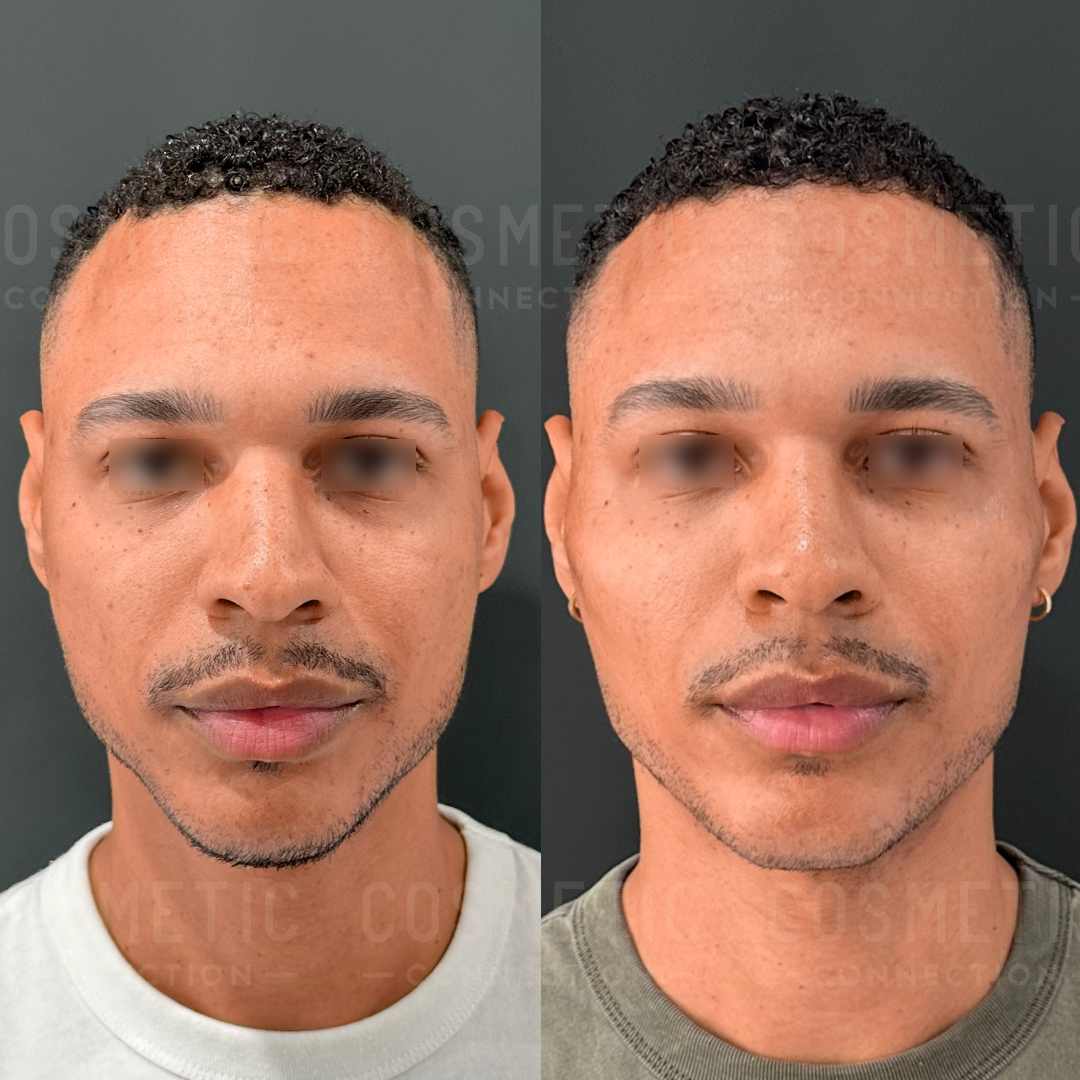
An uneven face is a natural occurrence, often linked to how our facial features develop before birth. While some individuals naturally possess more symmetrical faces, others experience noticeable asymmetry that bothers them. Several factors can affect facial asymmetry over time, including habits like smoking, past injuries, and the natural ageing process. Certain medical conditions, such as Bell’s palsy, can also contribute to unevenness by causing selective facial muscle weakness. Beyond genetics, another contributor to facial asymmetry is consistently chewing on one side of the jaw. This habit can alter jaw position and lead to one side of the face becoming more muscular than the other.
A natural way to increase facial symmetry is to consciously try and chew using both sides of your jaw. Additionally, maintaining good skin health and overall well-being can help to slow down the progression of age-related facial asymmetry.
Why is my jaw uneven?
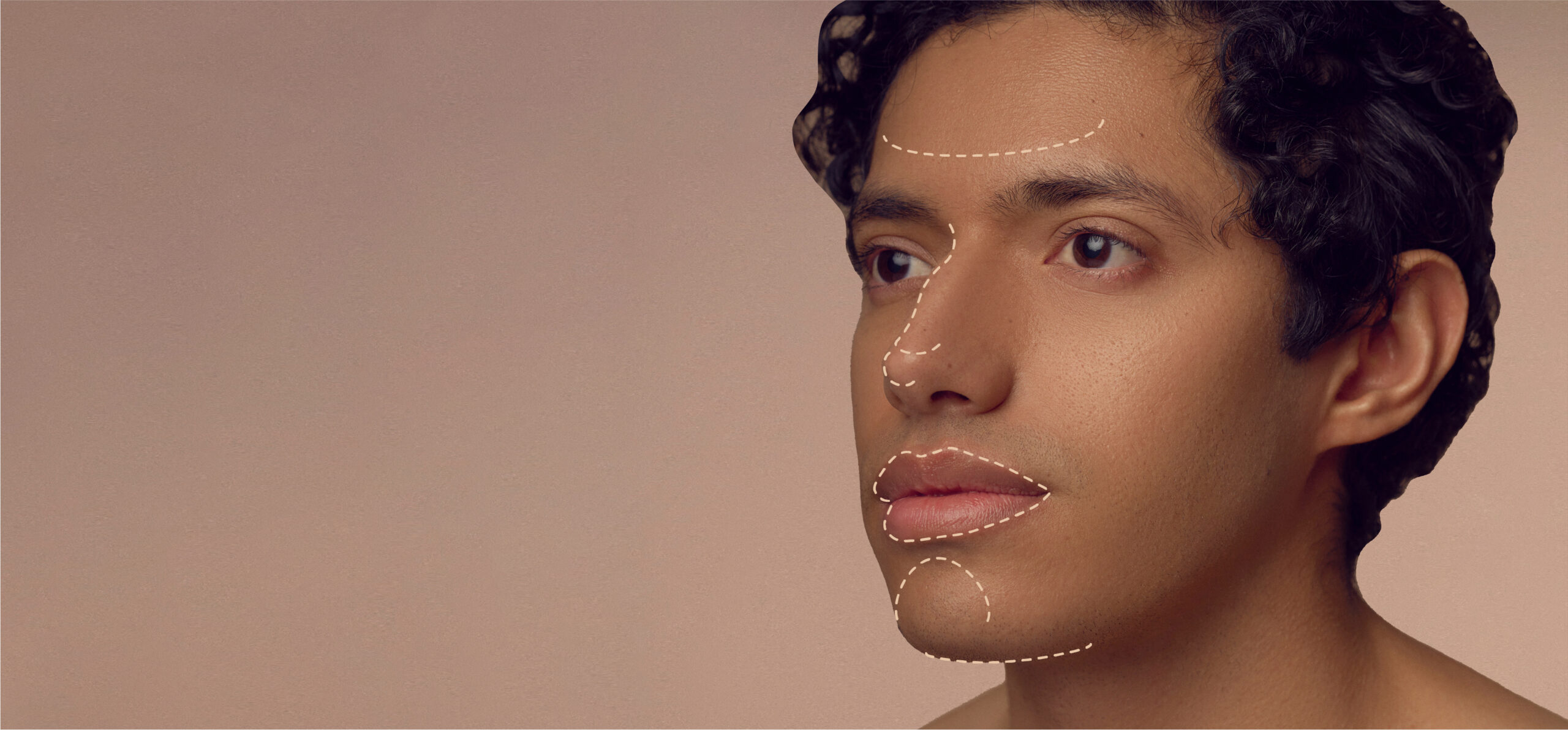
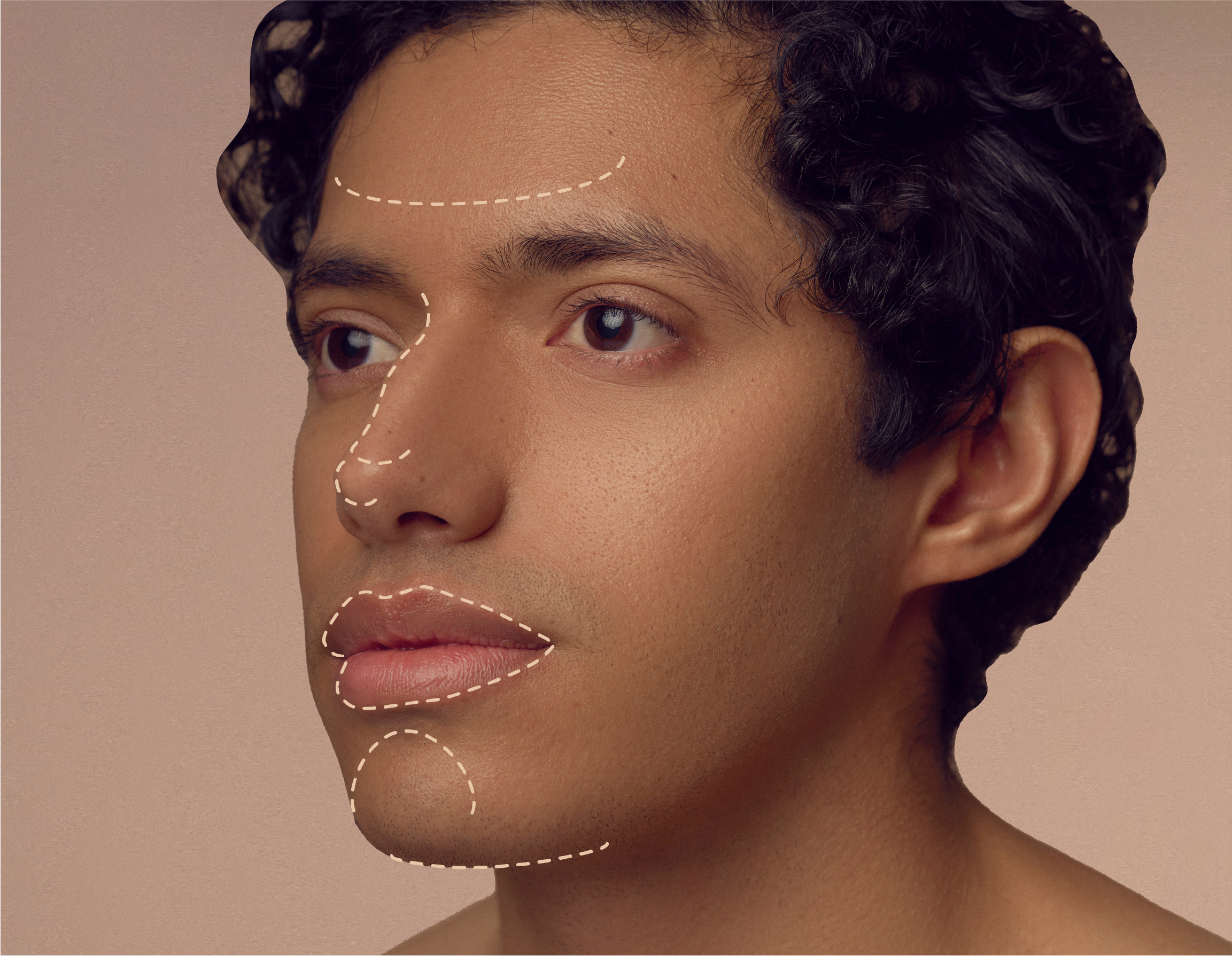
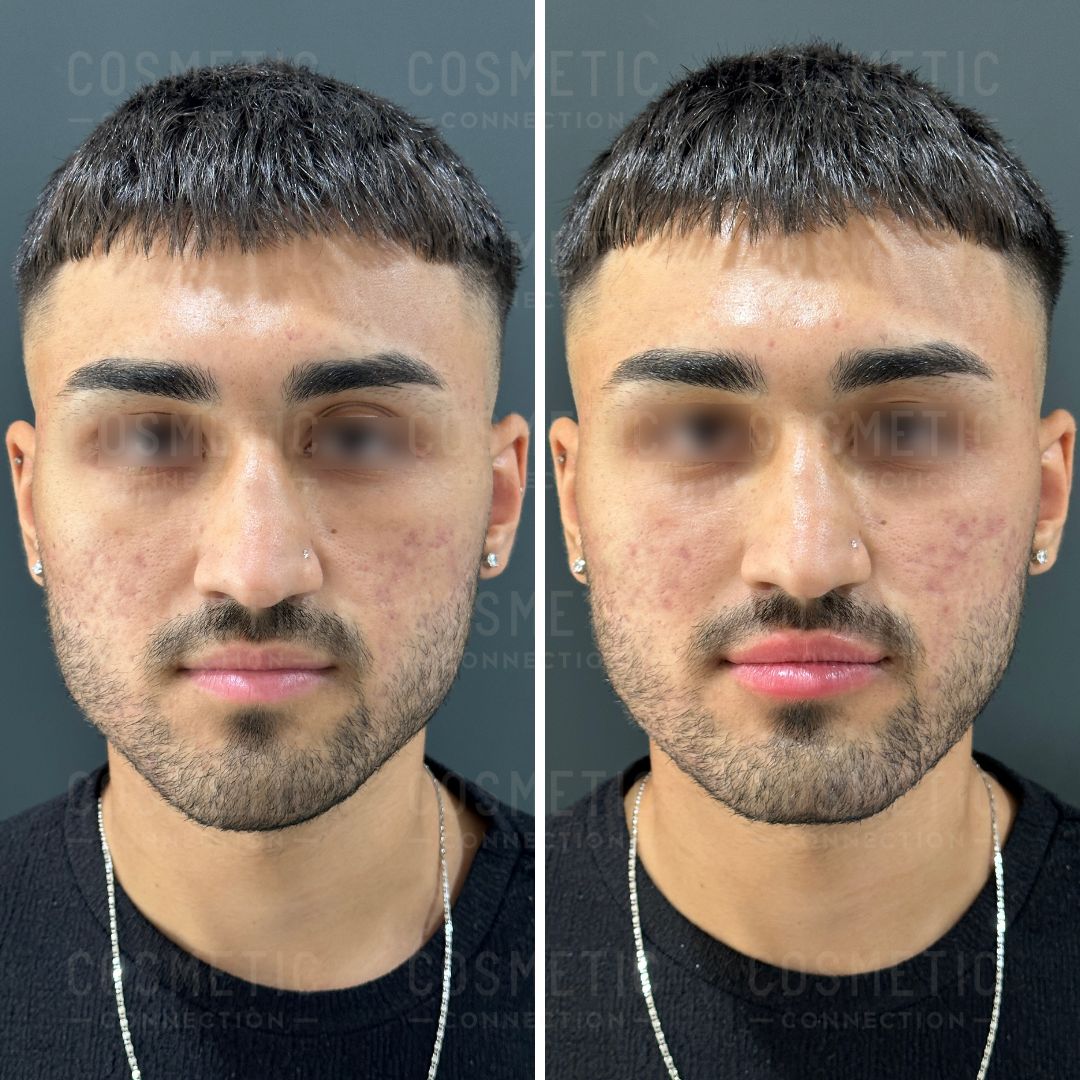
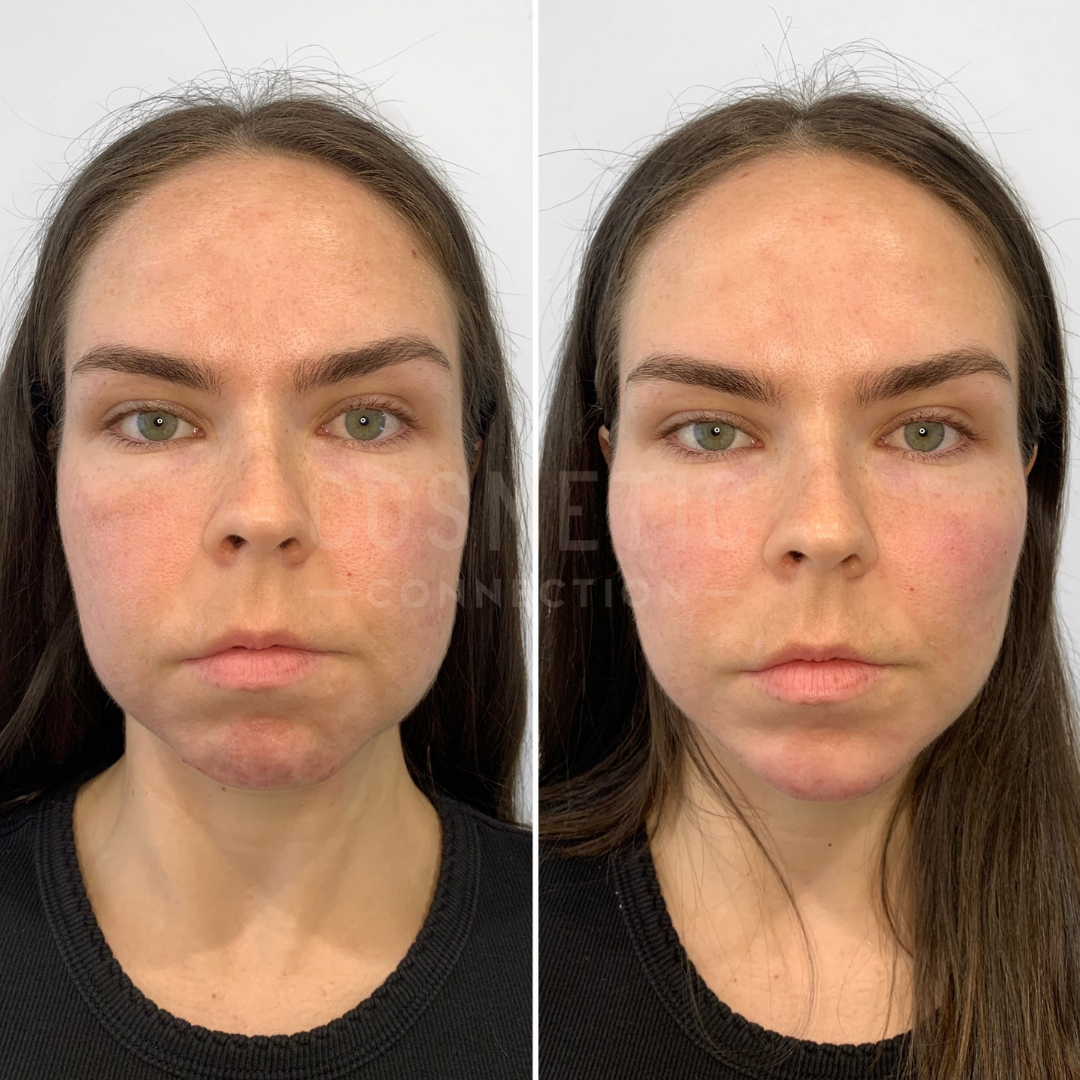
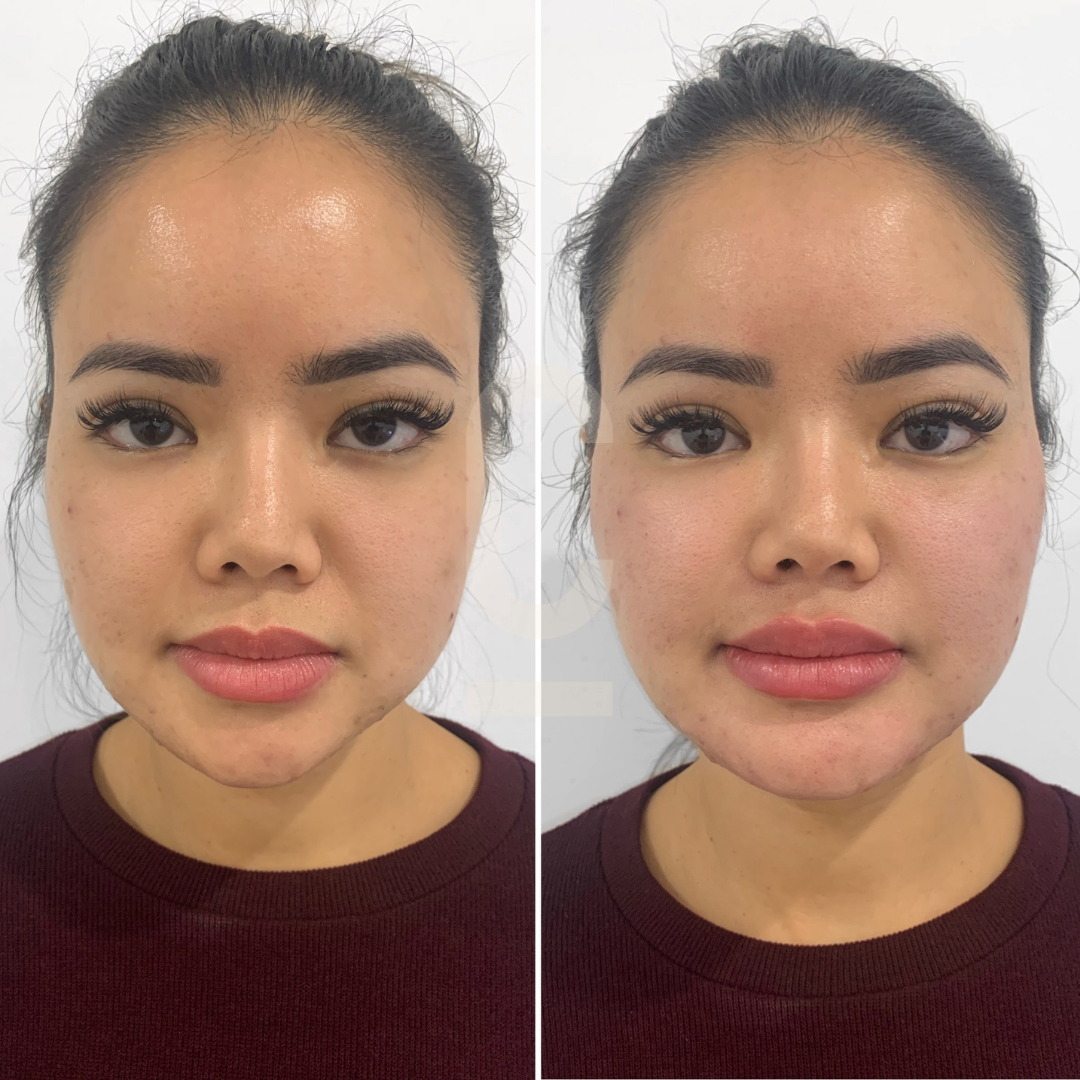
It’s common for most people to have some degree of jaw unevenness, primarily because of a preference for chewing on one side of the face. This habitual chewing leads to the enlargement of the mastication (chewing) muscles, mainly the temporalis and masseter muscles. Over time, this muscle imbalance can subtly shift the position of your jaw bone. You can naturally work to improve jaw asymmetry by consciously distributing your chewing effort across both sides of your jaw. Alternatively, there are treatments available to reduce the size of the more prominent side of your face.
Why are my eyebrows uneven?
Most individuals have some degree of eyebrow asymmetry. The position of your eyebrows is influenced by the unique shape of your underlying brow bone and the varying strength of the frontalis muscles in your forehead. Additionally, differences in eyebrow hair distribution and thickness can contribute to an uneven appearance.
To improve the symmetry of your eyebrows, you can style them to appear more balanced. Furthermore, there are various clinical treatments that can adjust their position.
Why are my lips uneven?
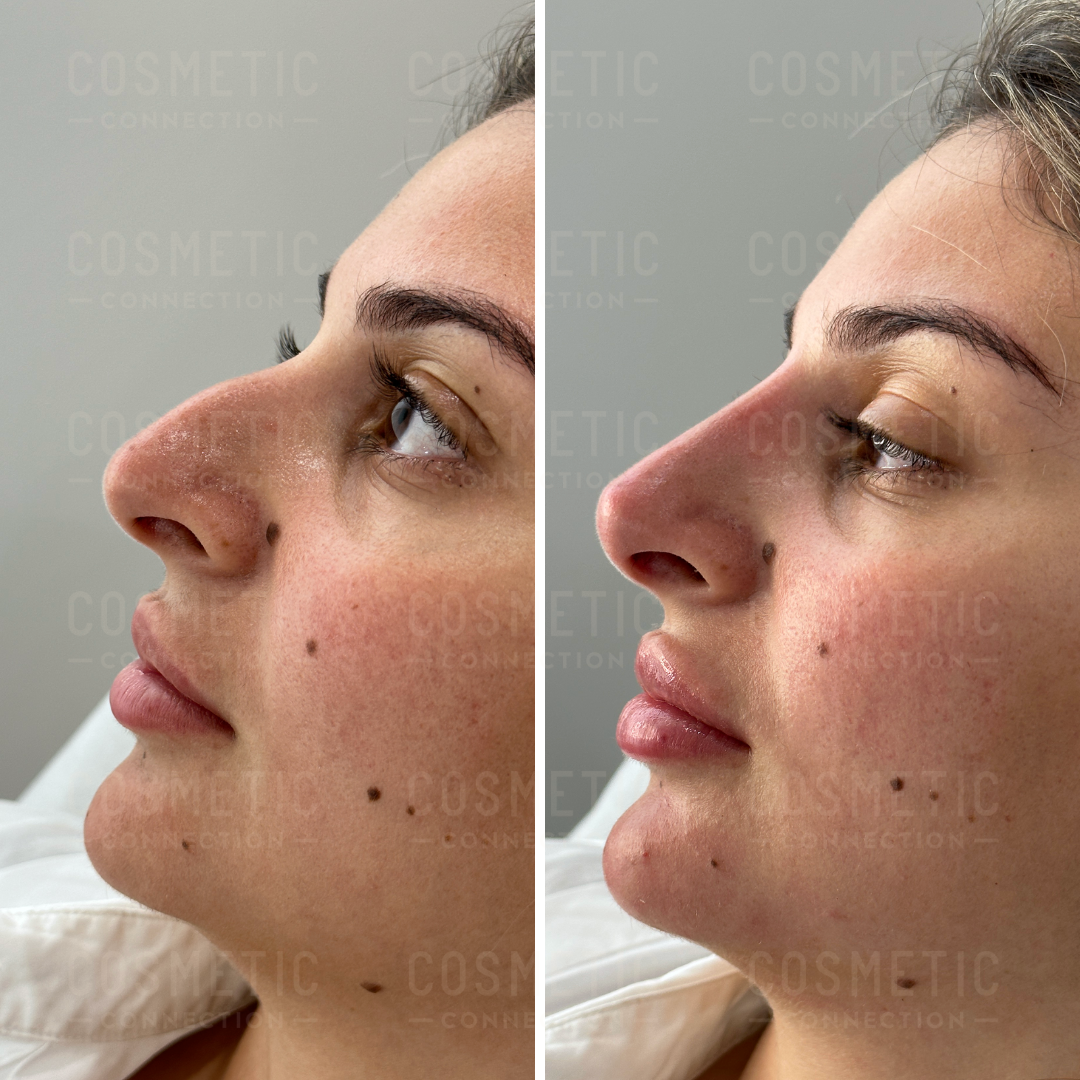
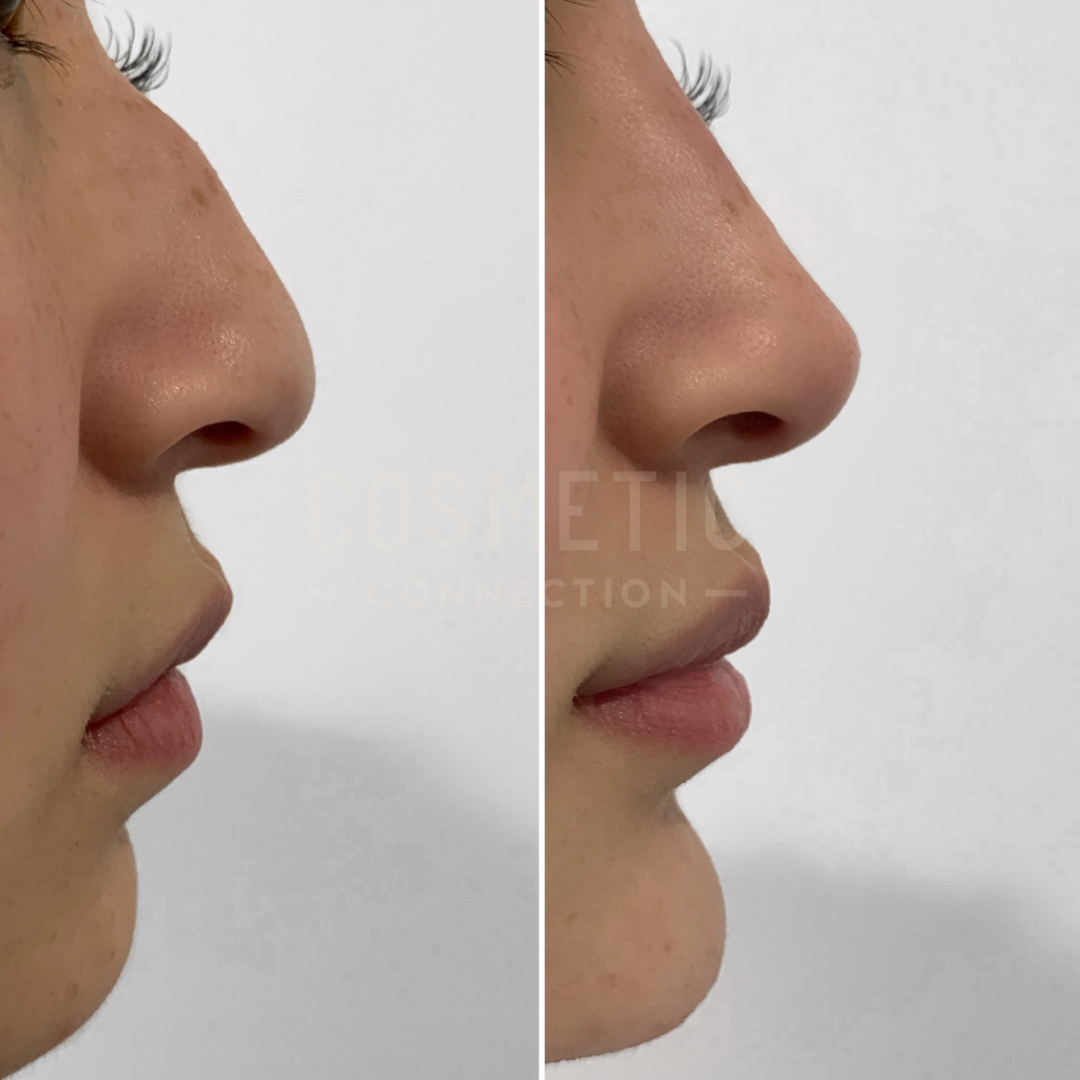
All lips inherently possess some degree of asymmetry, though the extent of unevenness varies among individuals. The symmetry of your lips is determined by multiple factors, including the distribution of the red lip tissue on each side, the underlying lip volume, the alignment of your teeth, and the differing muscle strength on each side of your face. Given these numerous contributing factors, achieving perfectly even lips is practically impossible.
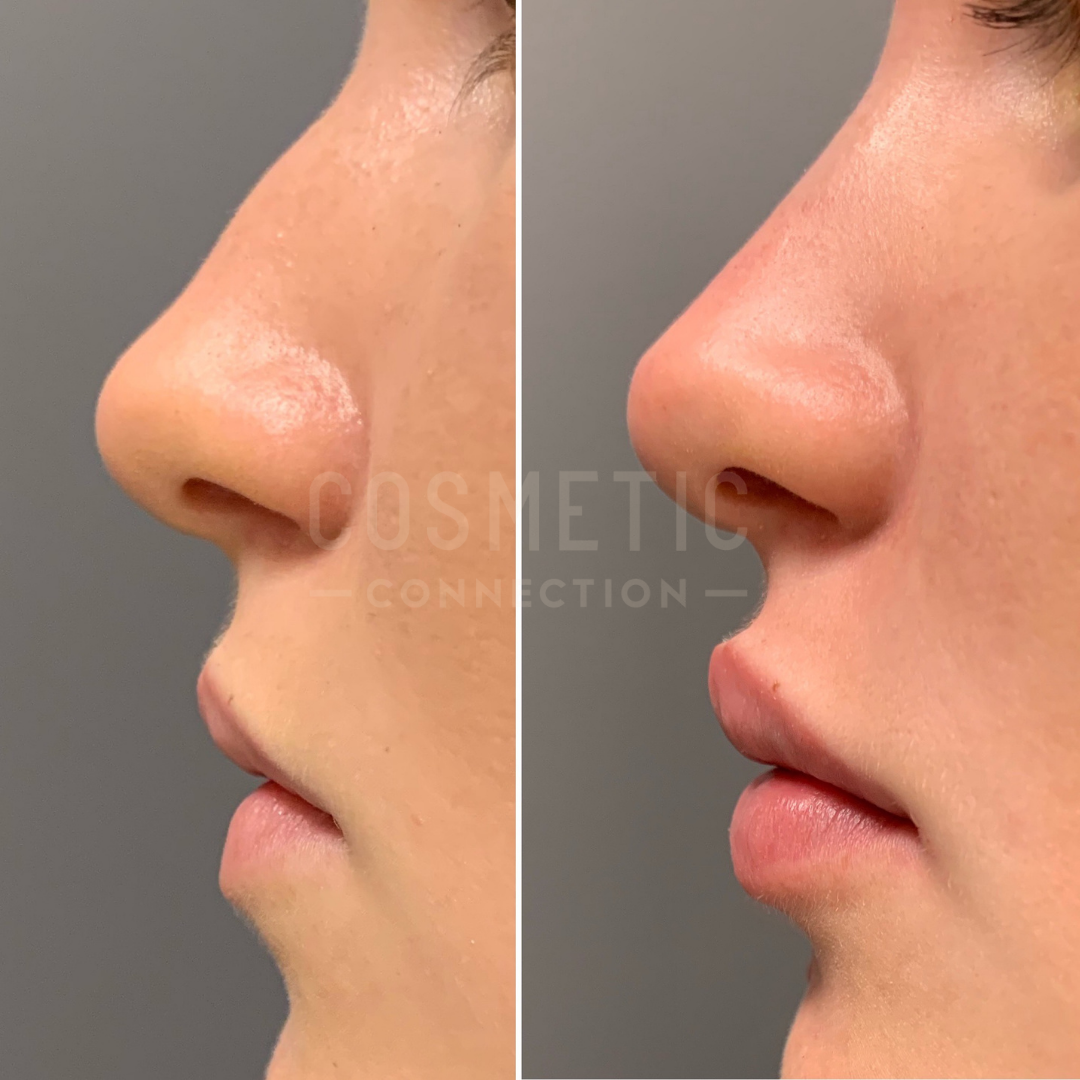
However, some treatments can adjust the volume and muscle strength of your lips, thereby increasing their overall symmetry.
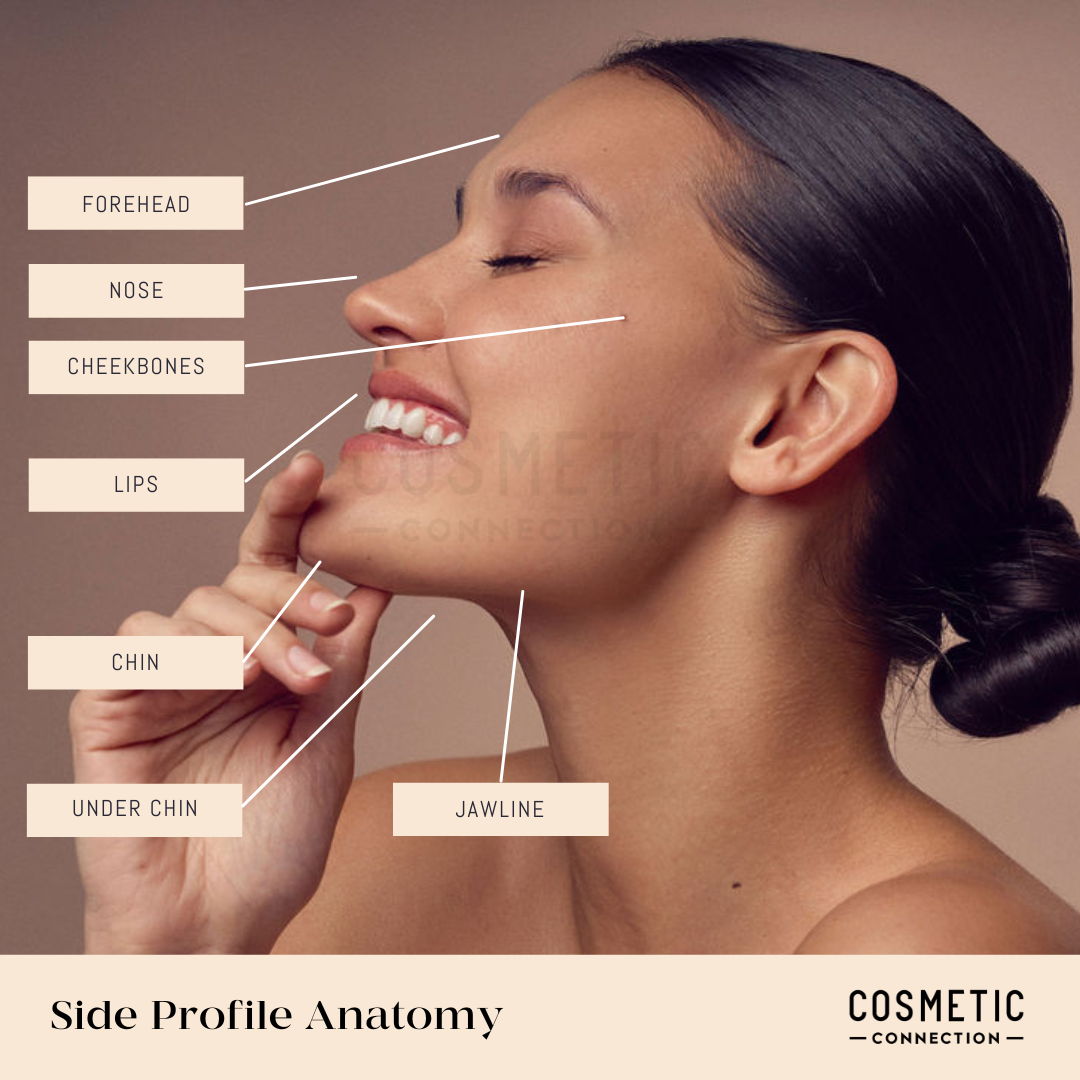
Why is my chin uneven?
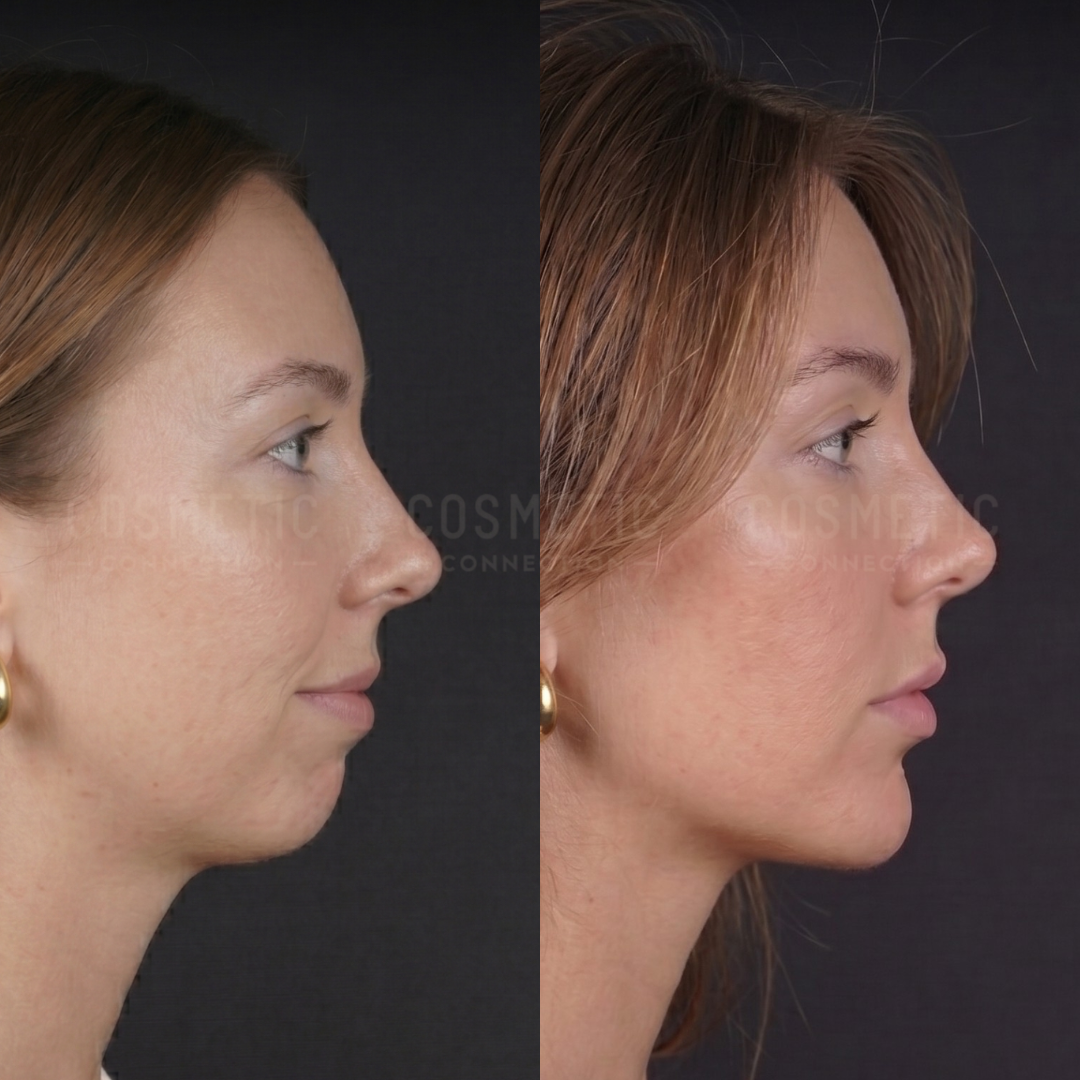
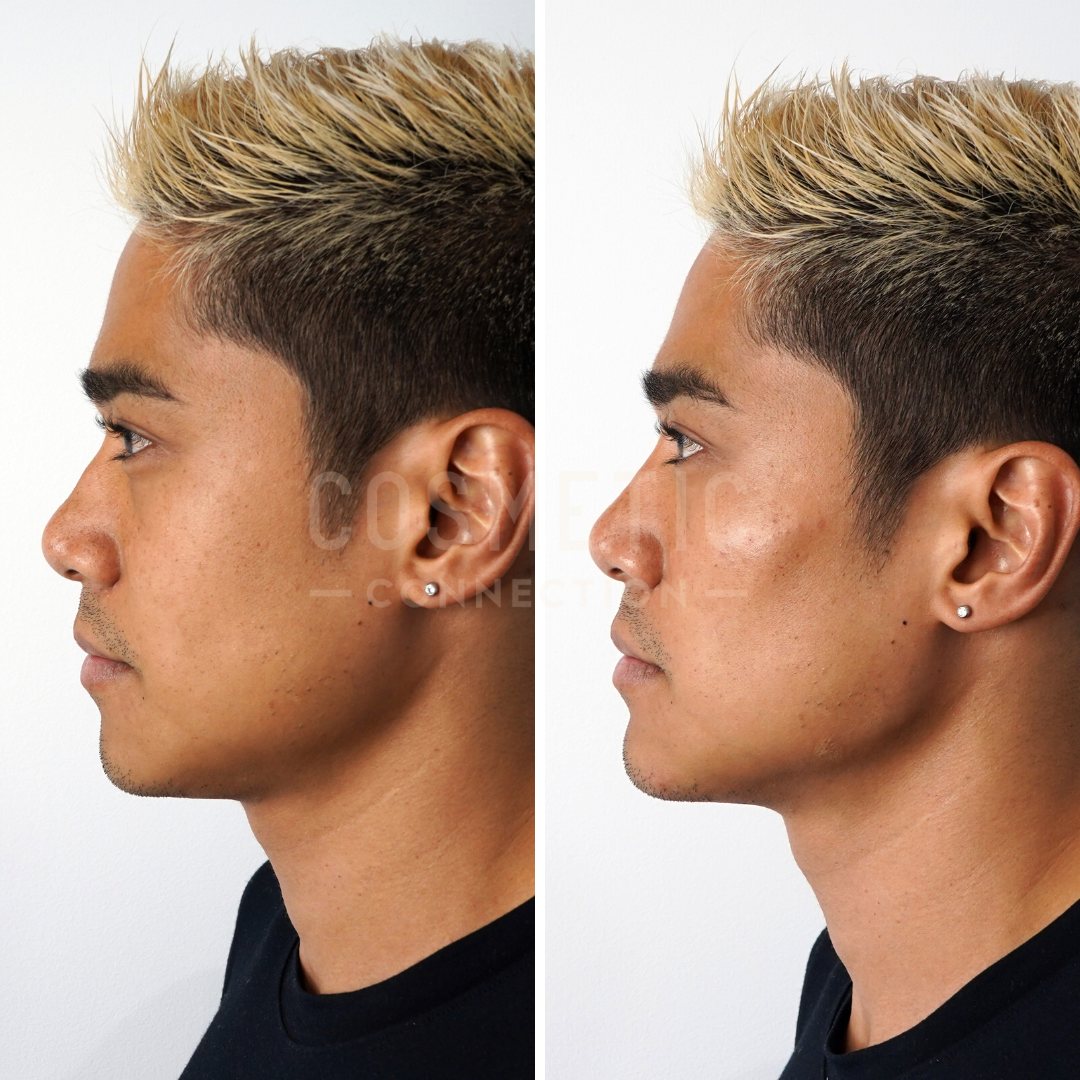
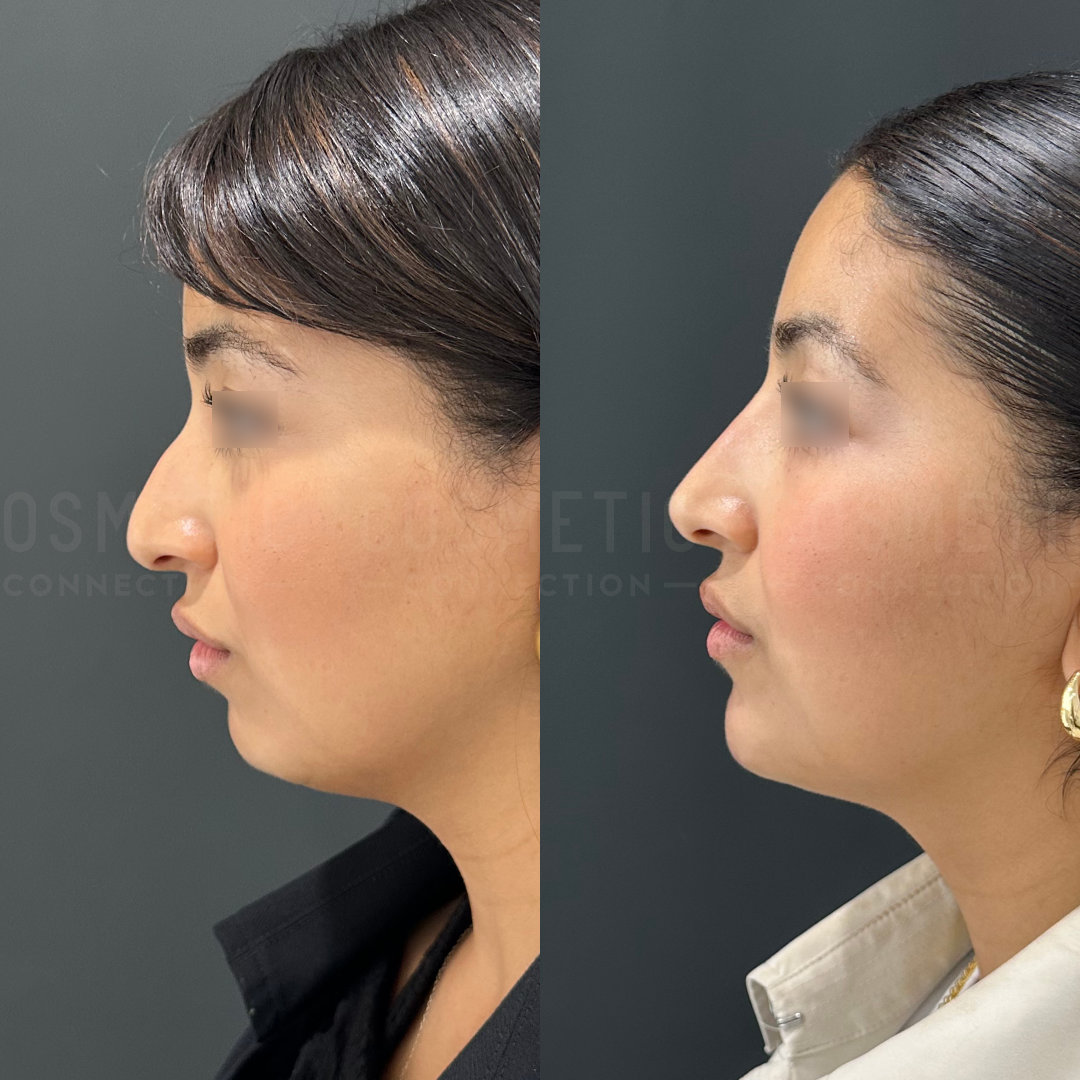
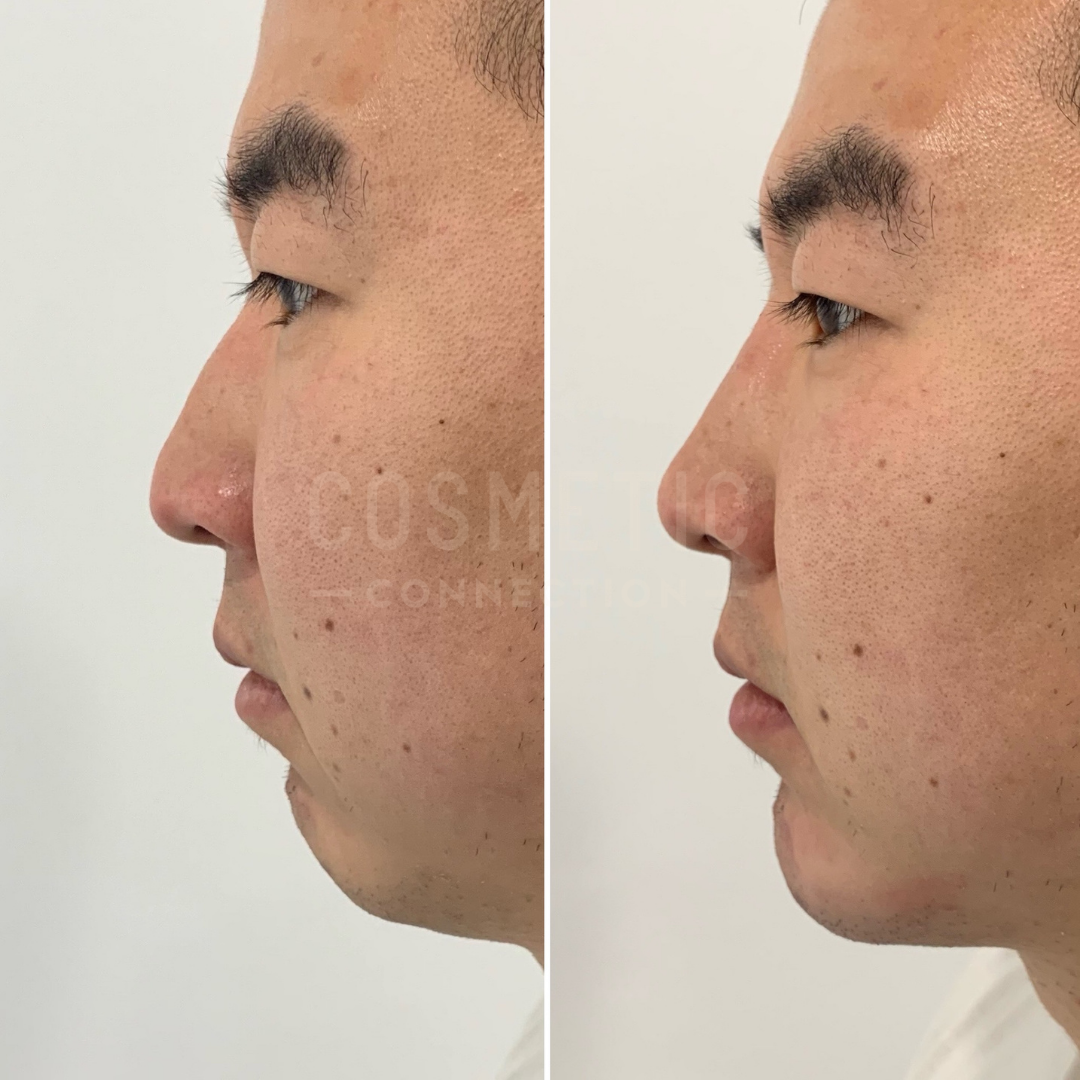
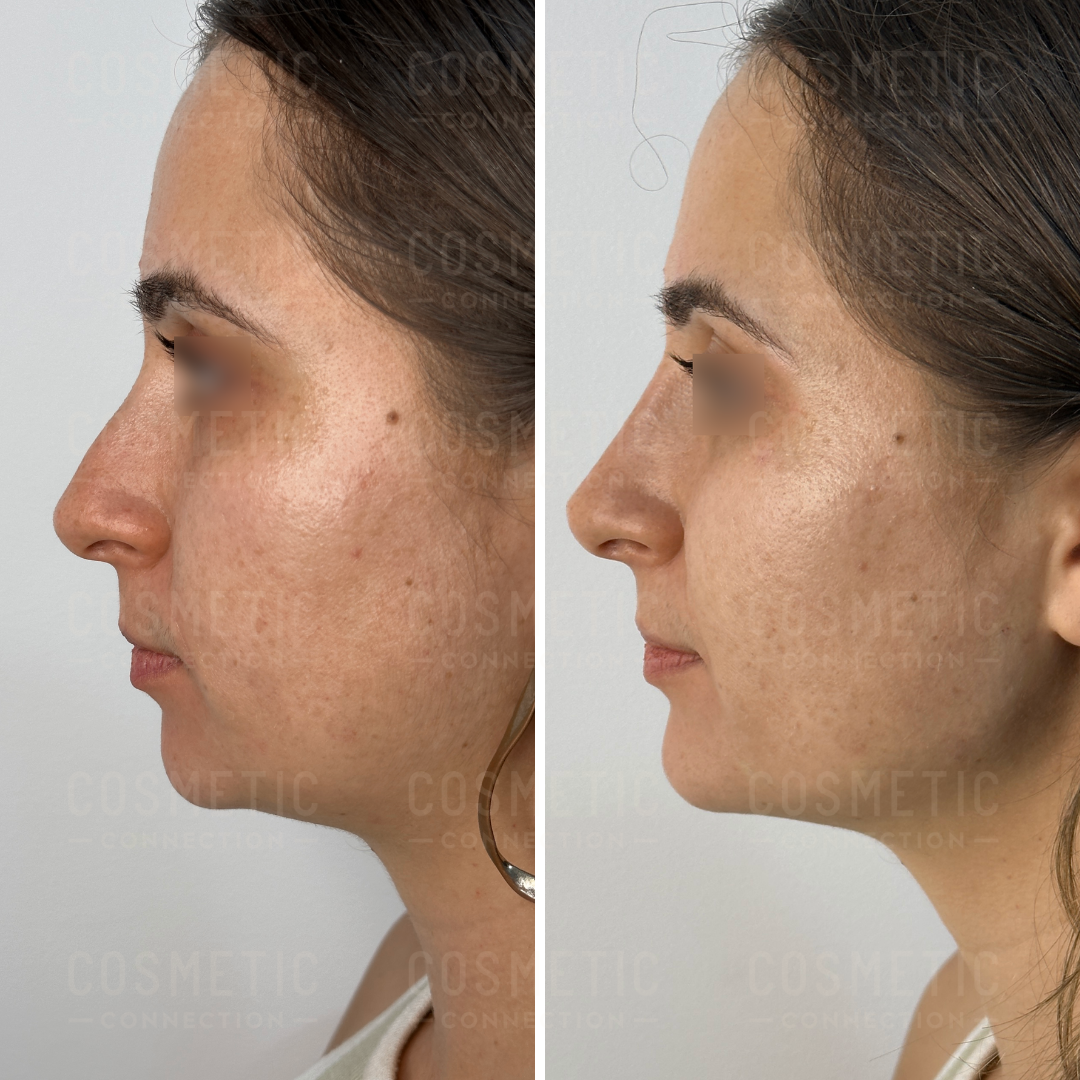
An uneven chin is most frequently linked to an incorrect position of your mandible (jaw bone) or underlying dental issues. While surgical interventions can be used to increase chin symmetry, non-surgical options can also address chin asymmetry. Although achieving perfect chin symmetry is not feasible, treating an uneven chin is possible in certain cases.
Treatments for Facial Asymmetry
How volume treatments can help with facial symmetry
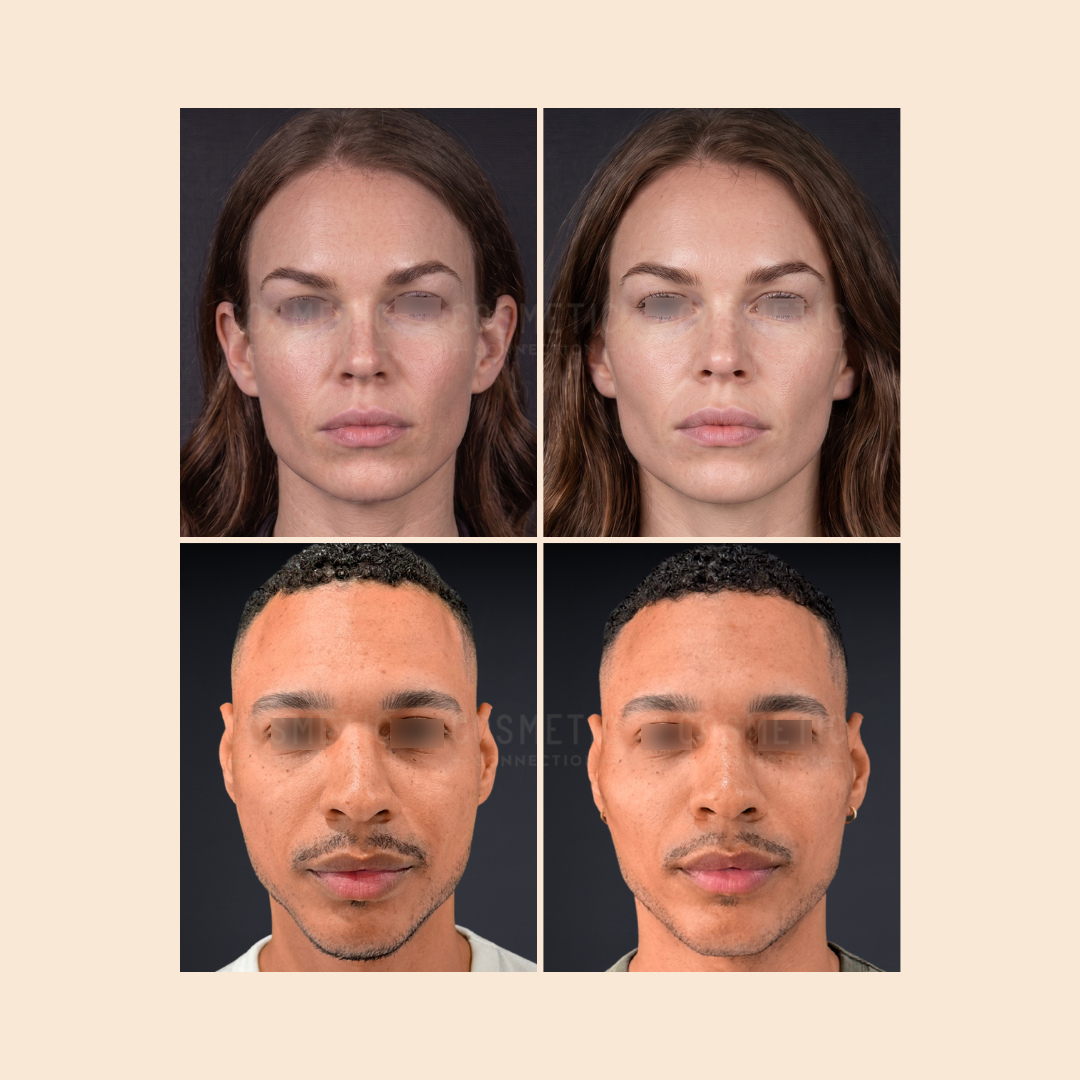
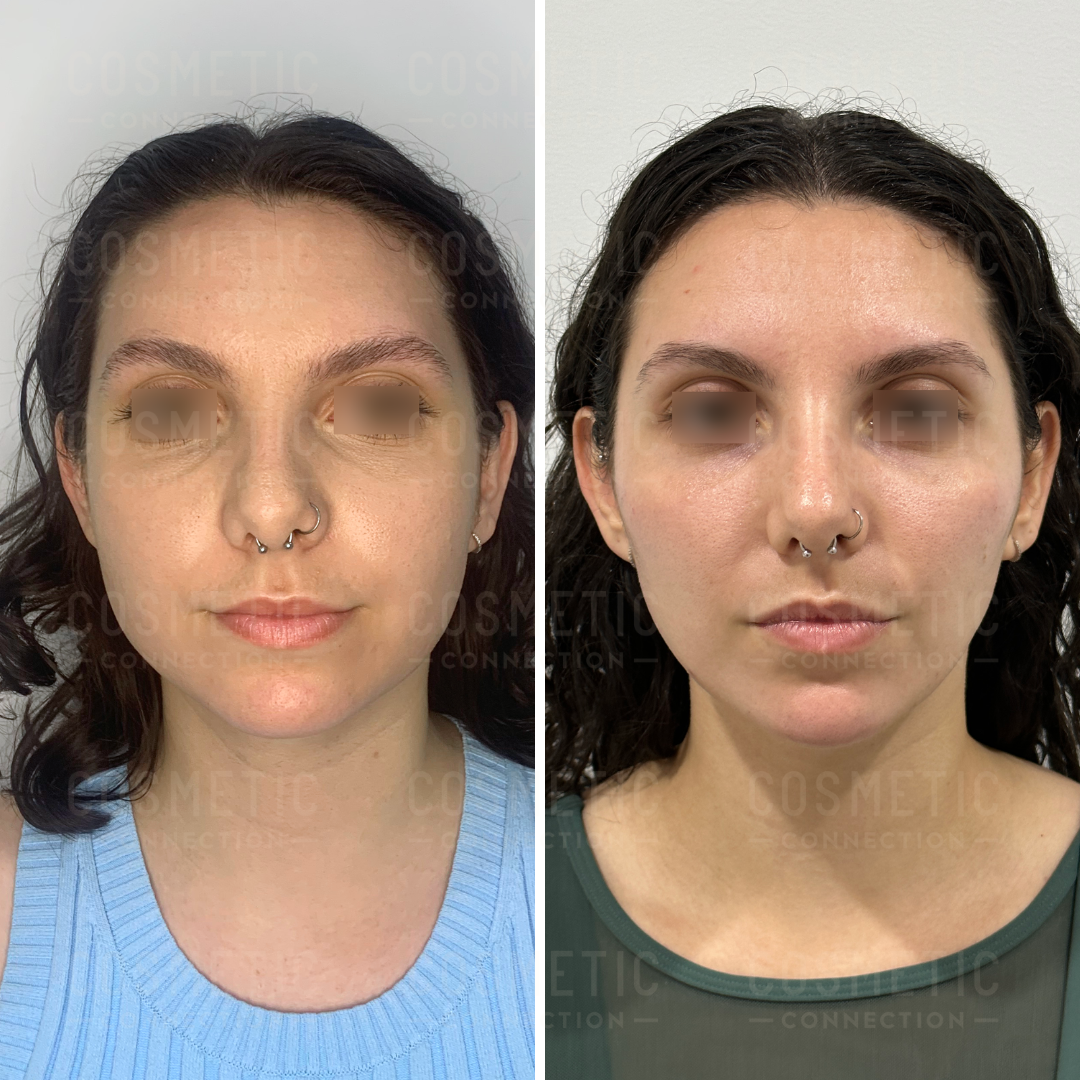
Various treatments targeting facial volume can address concerns about facial asymmetry. These techniques allows us to add structure areas that may be less prominent on one side of your face, helping to create a more harmonious and balanced look. These approaches are effective for many areas where more structure is desired to increase overall facial balance. However, if your goal is to reduce the size of a larger, more prominent area to match a weaker side, volume-adding treatments would not be the suitable option; other approaches would be more appropriate in such cases.
How muscle treatments can help with facial symmetry
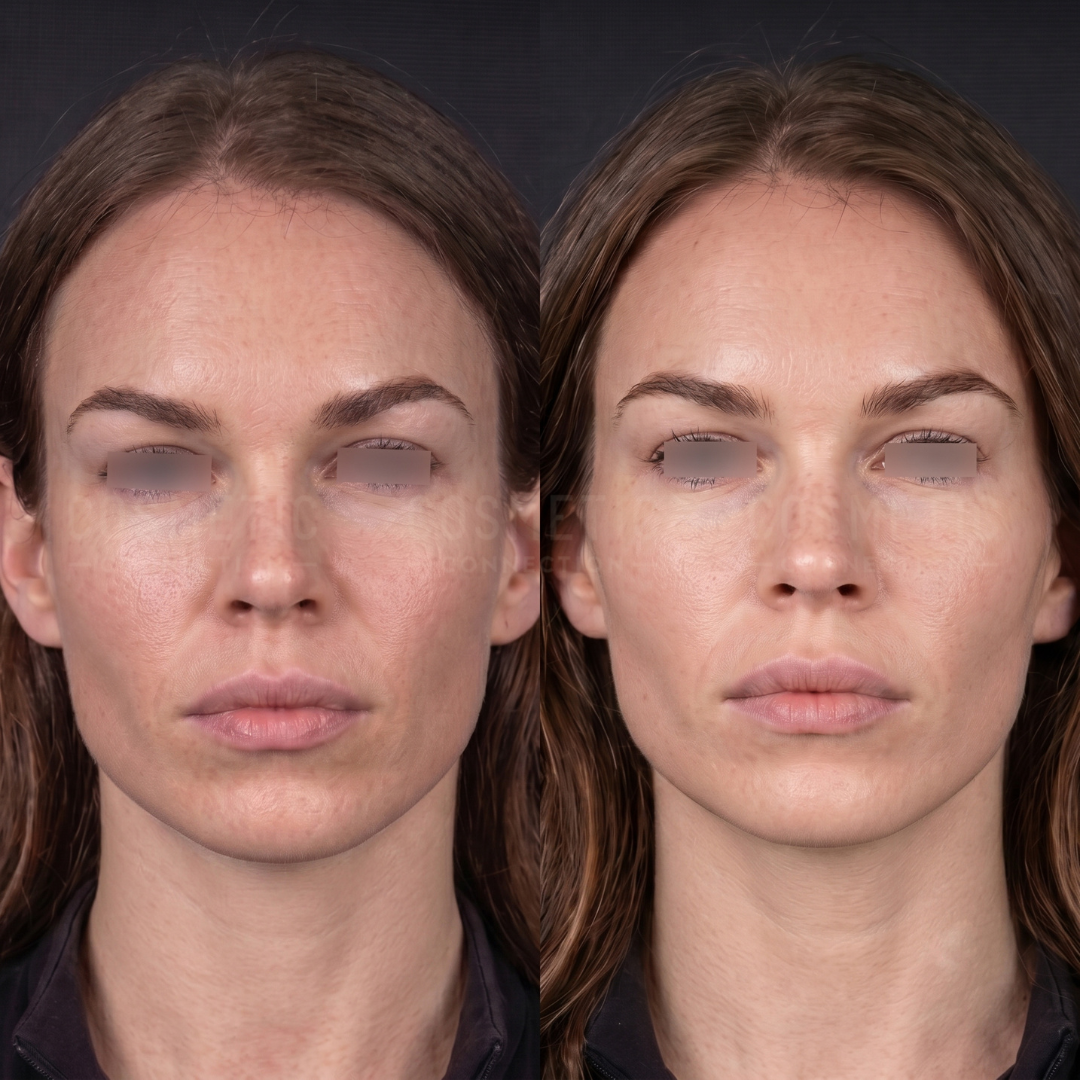
Treatments that target specific muscles can refine facial symmetry by adjusting the position or size of certain facial features. Since these approaches target facial muscles, they can be used to subtly raise or lower eyebrow height, alter the position of your mouth corners, and even add perceived height to your lips. By treating only one side of the face, or by applying a more extensive treatment to one side, we can address concerns about symmetry. Specifically, when targeting chewing muscles like those along the jawline or in the temples, these treatments can lead to a reduction in their size. This allows a larger, more prominent side of the face to become more similar in appearance to the other side, thereby helping to address symmetry-related concerns.
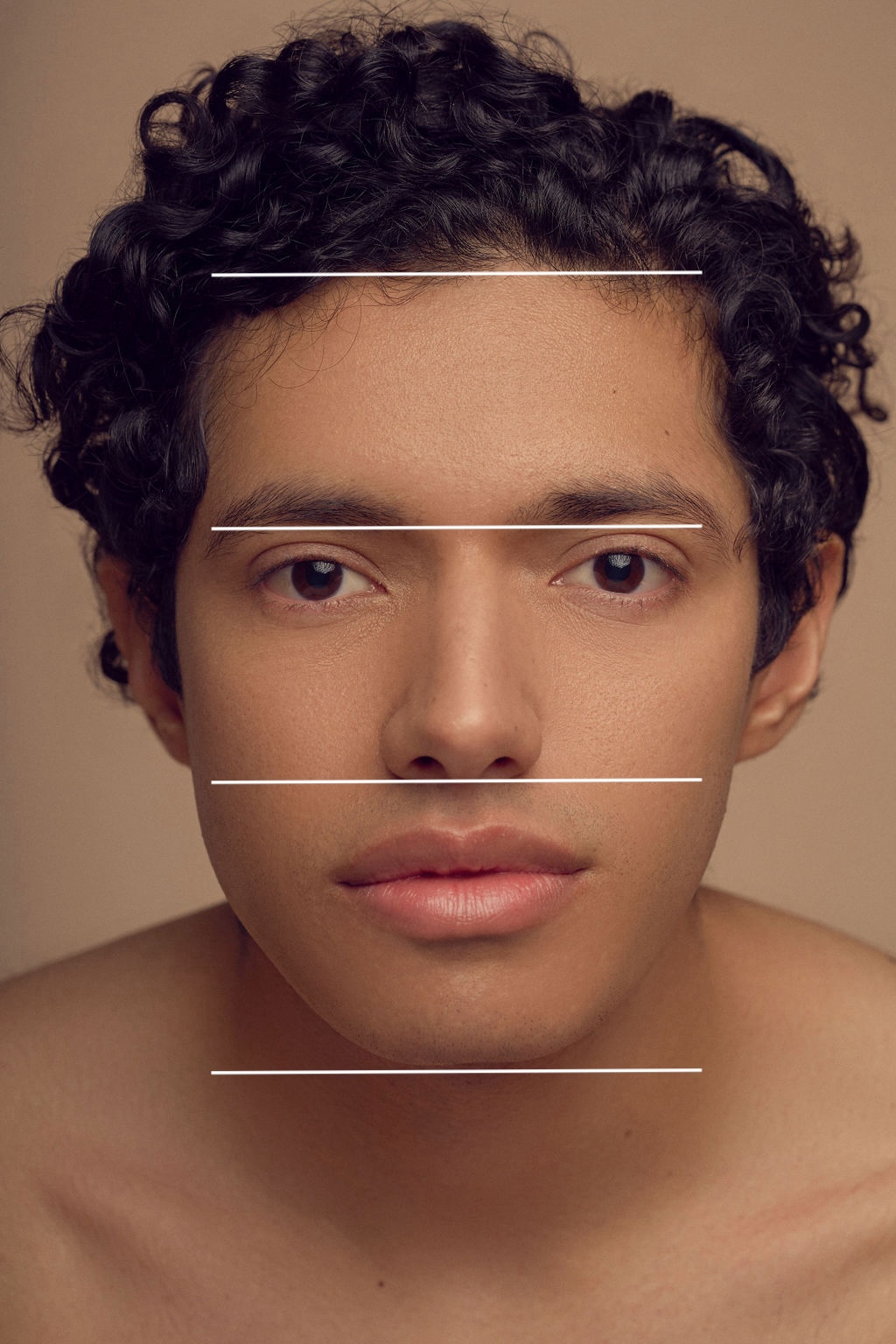
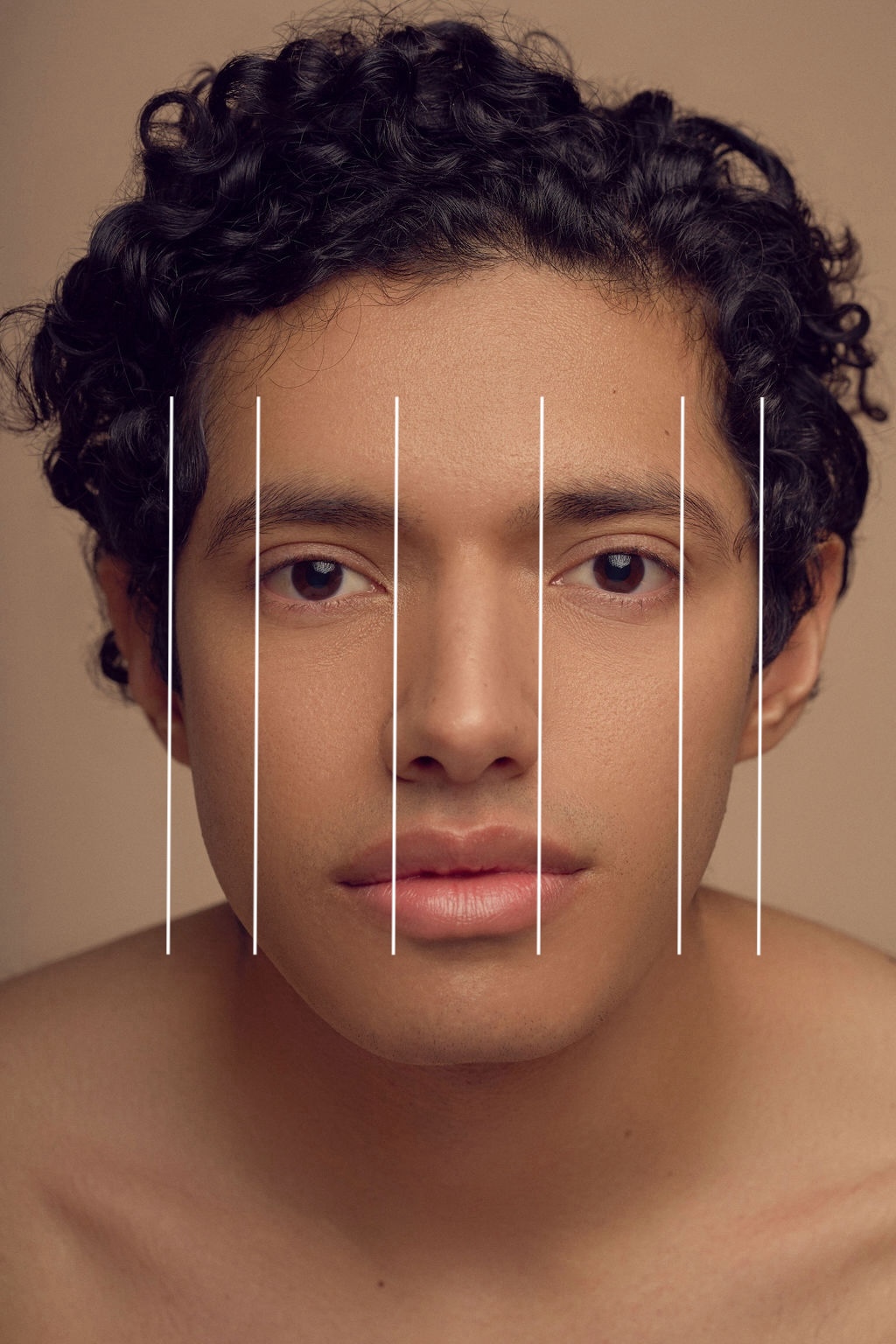
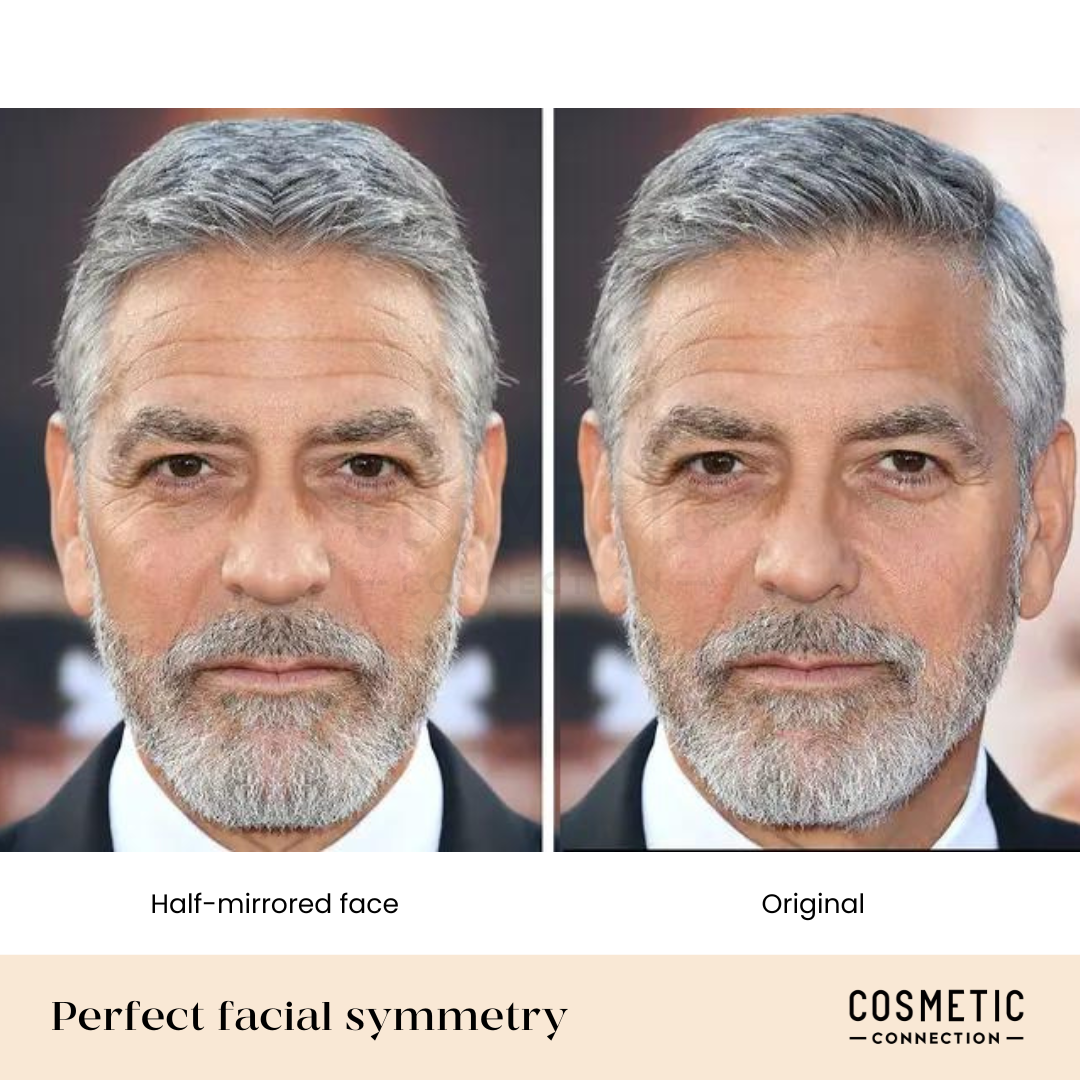
What does a symmetrical face look like?
While highly symmetrical faces are desirable to some, a perfectly symmetrical face can paradoxically appear somewhat unsettling. Faces with perfect symmetry often lack a sense of authenticity and may be perceived as artificial, akin to the “uncanny valley” effect observed when looking at highly lifelike but not quite perfect dolls.