Jawline sculpting consultations
10–20 min typical treatment time
Doctor-led, surgery-free
Completely personalised results
All-inclusive pricing & ongoing support
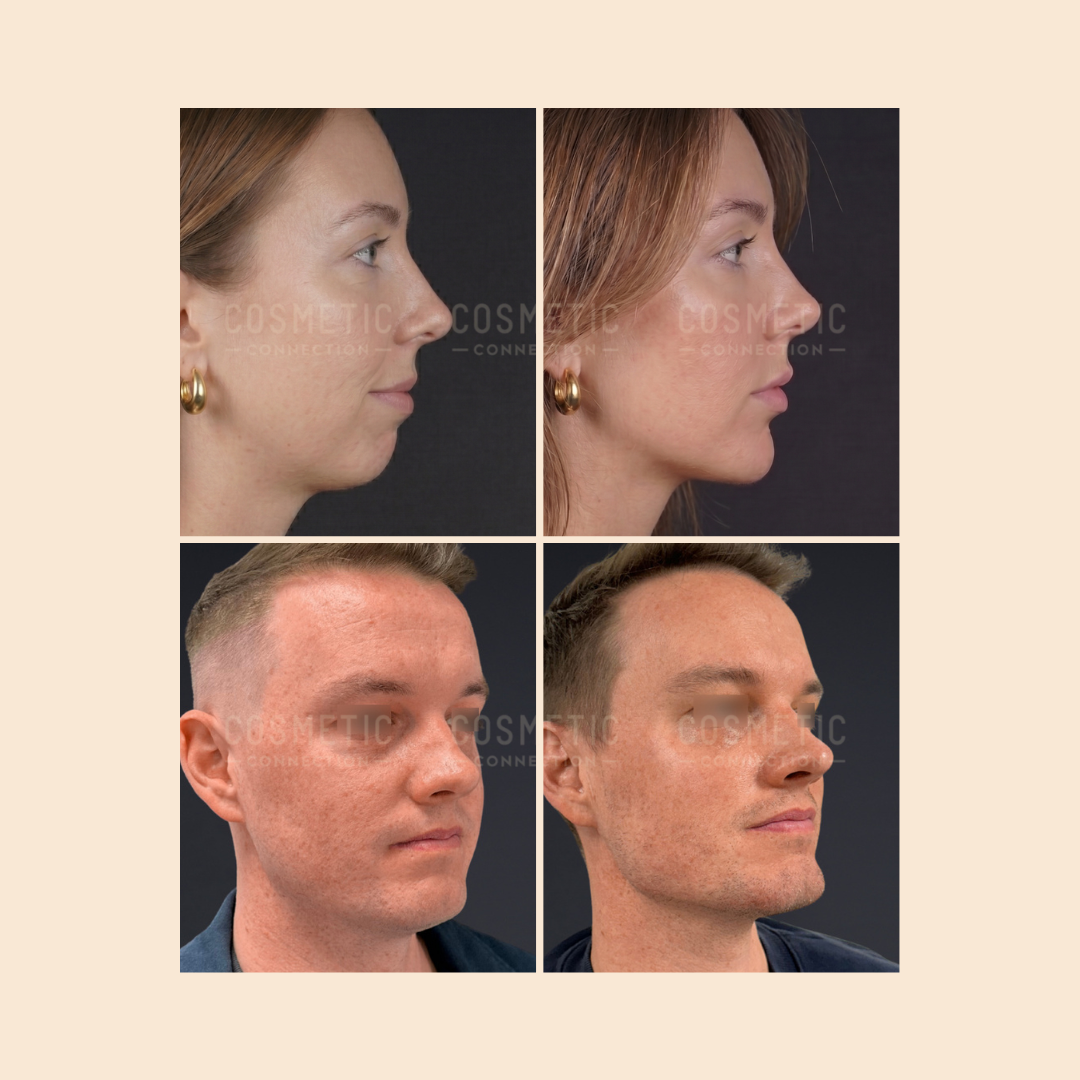
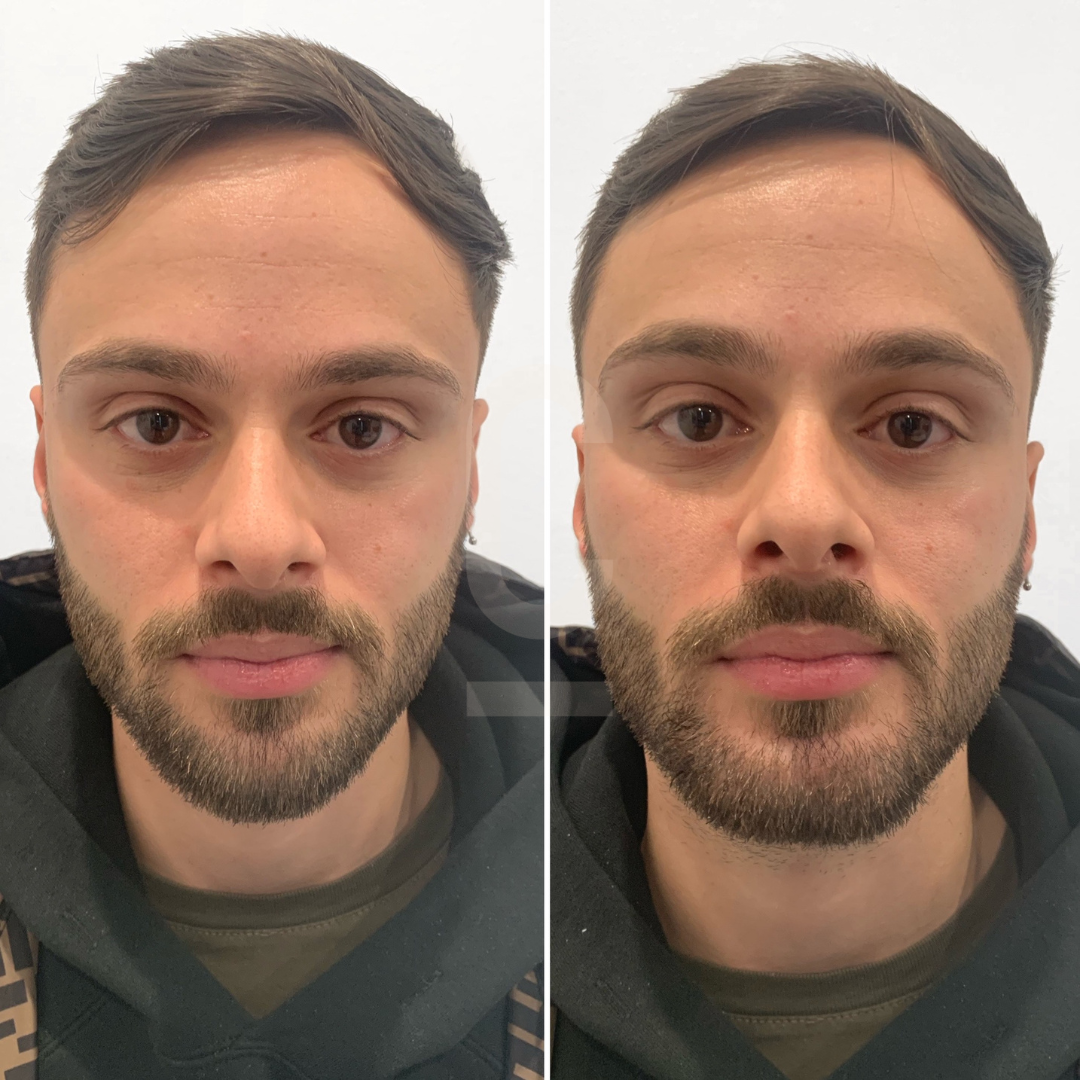
Non-surgical improvements to your jawline definition, with added width or taper where preferred.
Start your booking process by providing us some details
As seen in












When your jawline lacks structure
Refine your jawline without surgery.
The burden of being "profile-aware"
Beyond your jaw lies the mental energy of avoiding photos, adjusting posture, or growing facial hair. When the jawline lacks definition, it's anatomy, not confidence.
You can’t “train” structure into existence
Mewing, facial exercises, and weight loss improve tone, but not shape. True refinement targets jaw structure to balance your profile.
This isn’t vanity, it's identity
It’s about the relief of a balanced profile that let's you get about your day without managing your appearance.
Refined, not different
Our clinicians design your plan using the CXN Method™ and treat to the Undetectable Standard™.
Treatment info
Goals
Suitability
Preparation
Aftercare
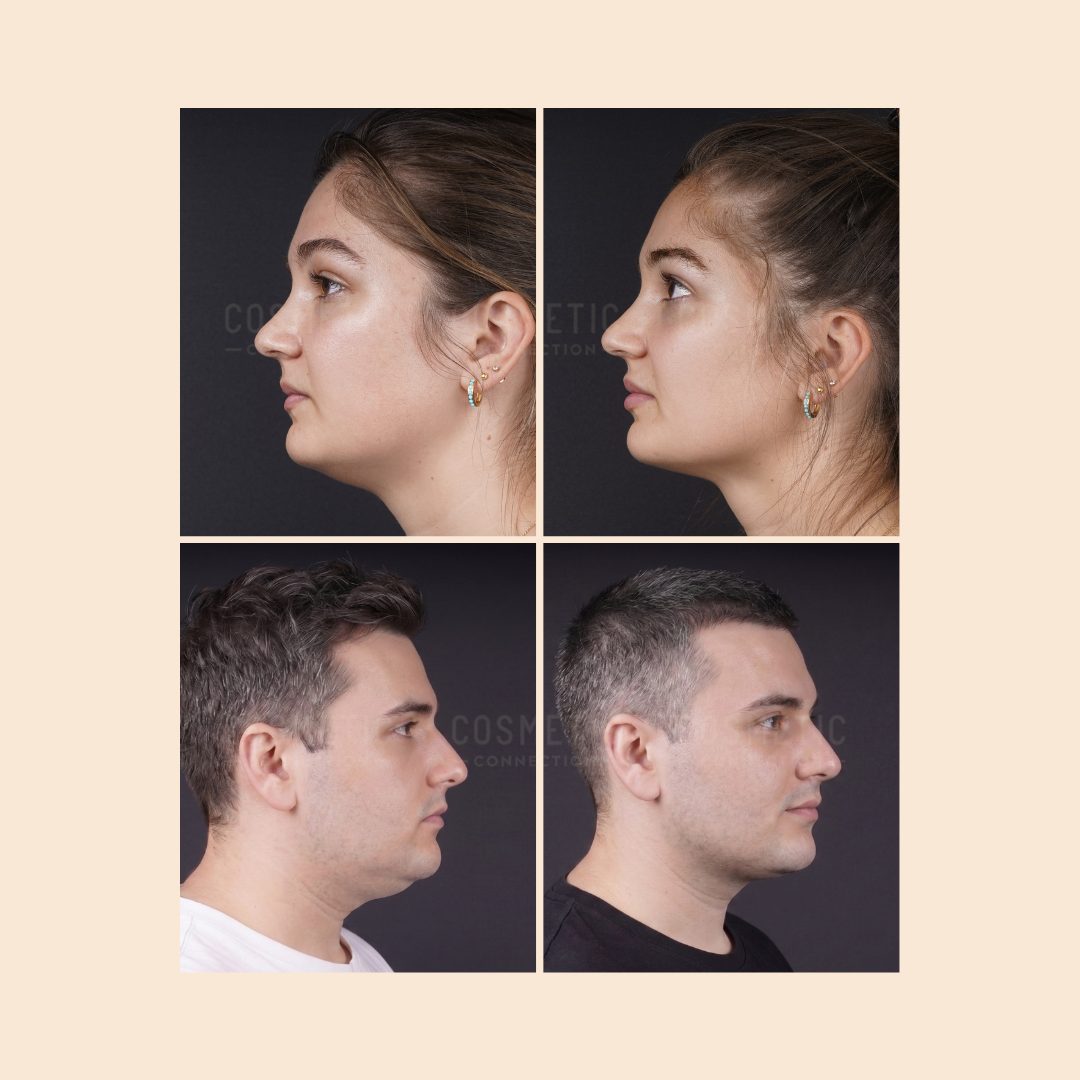
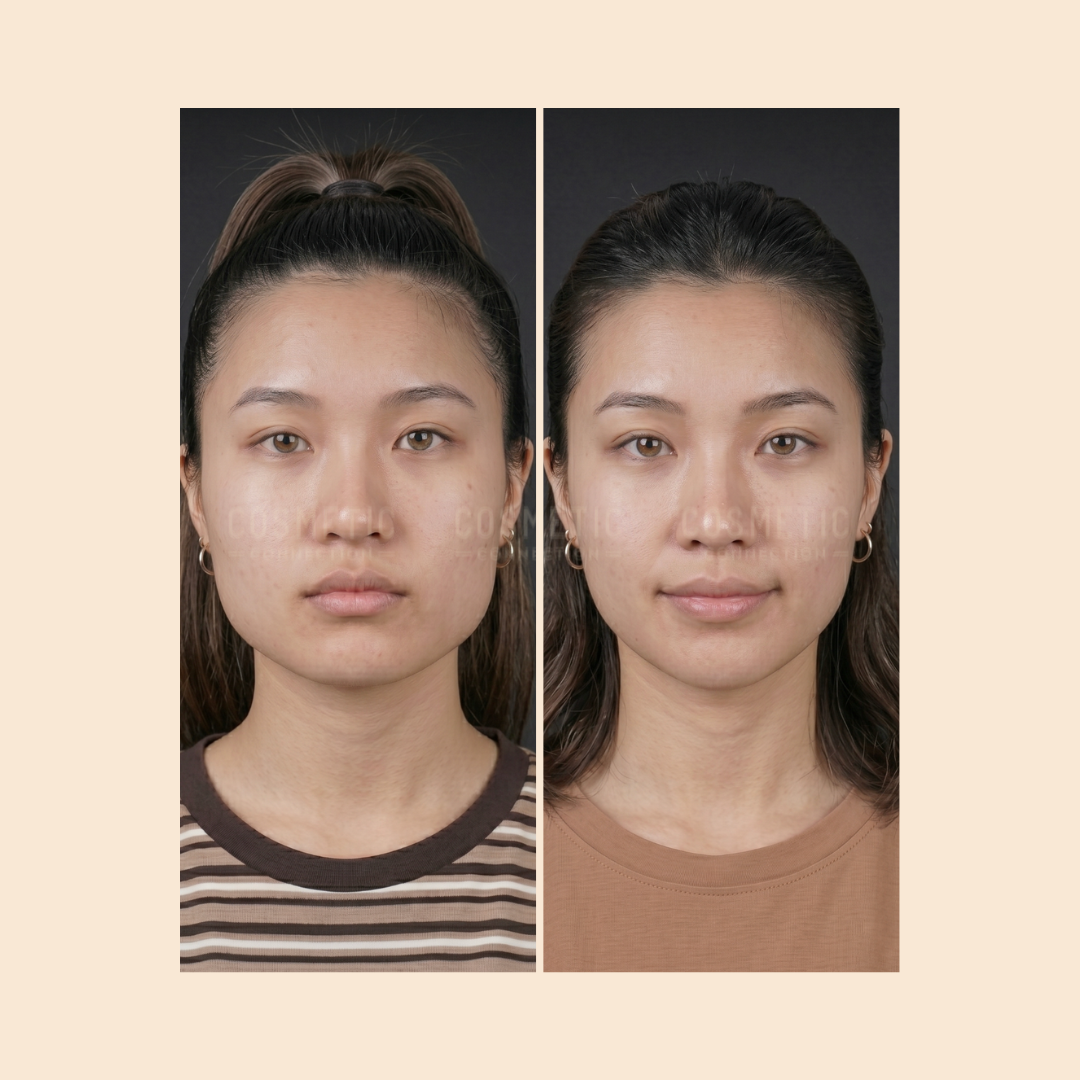
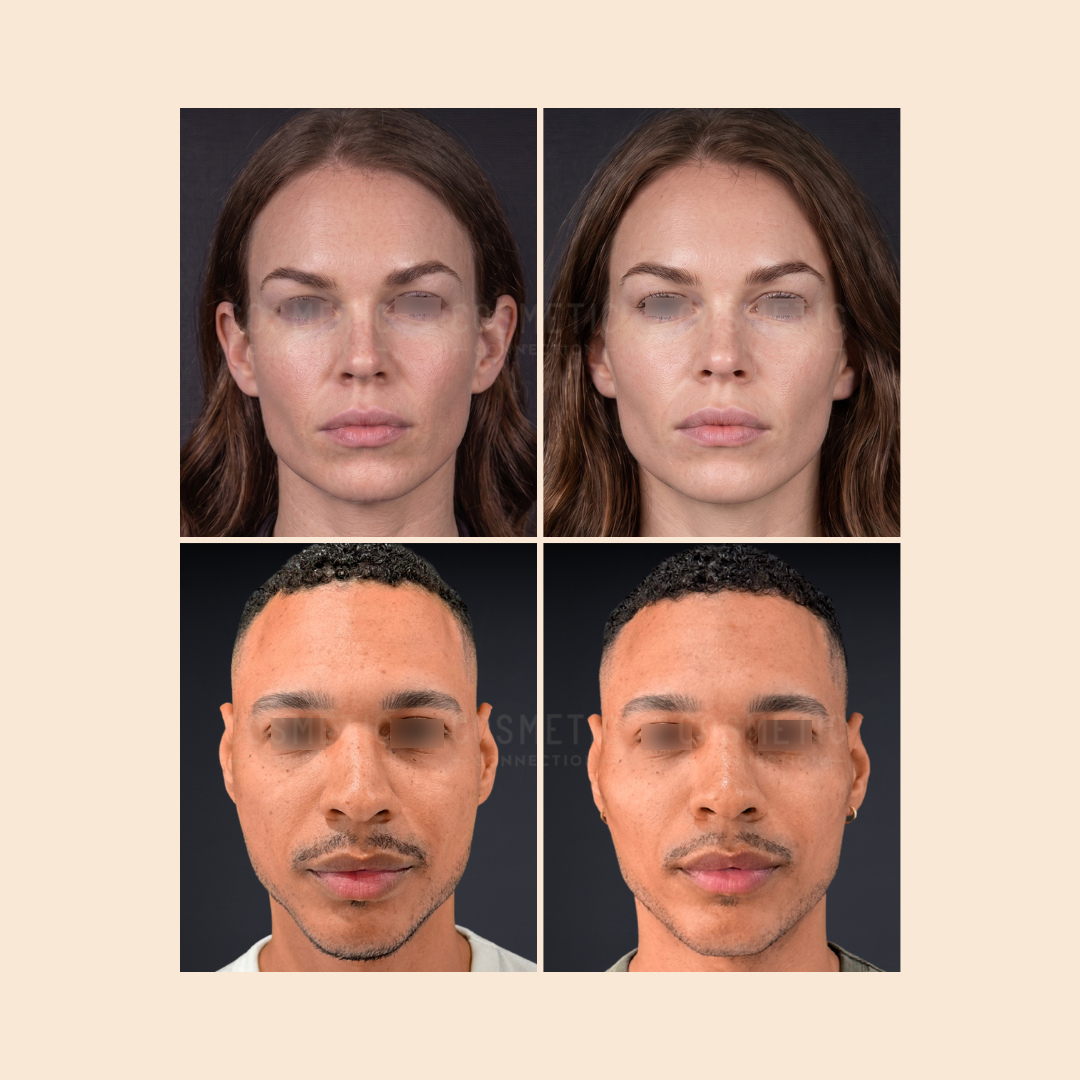
Results
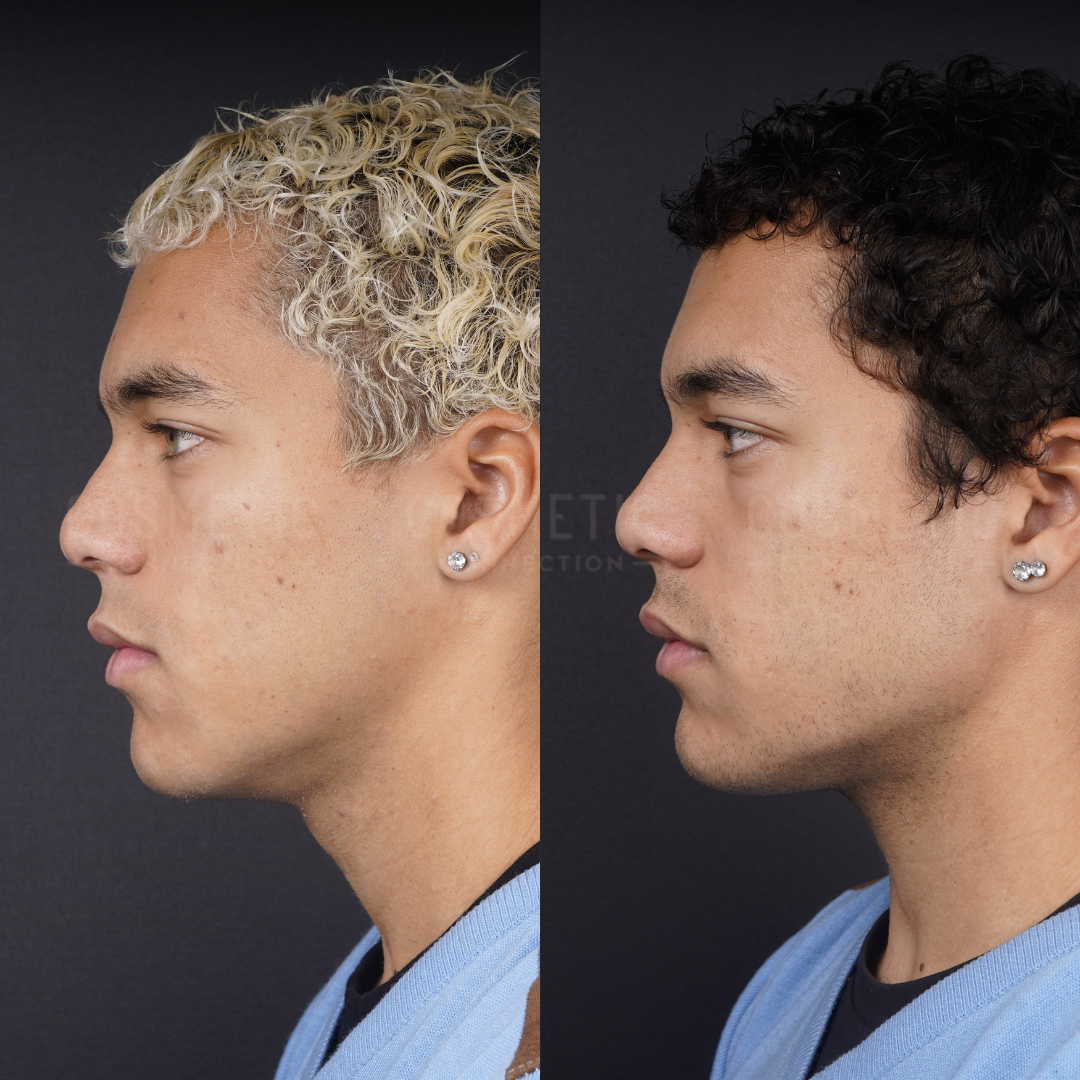
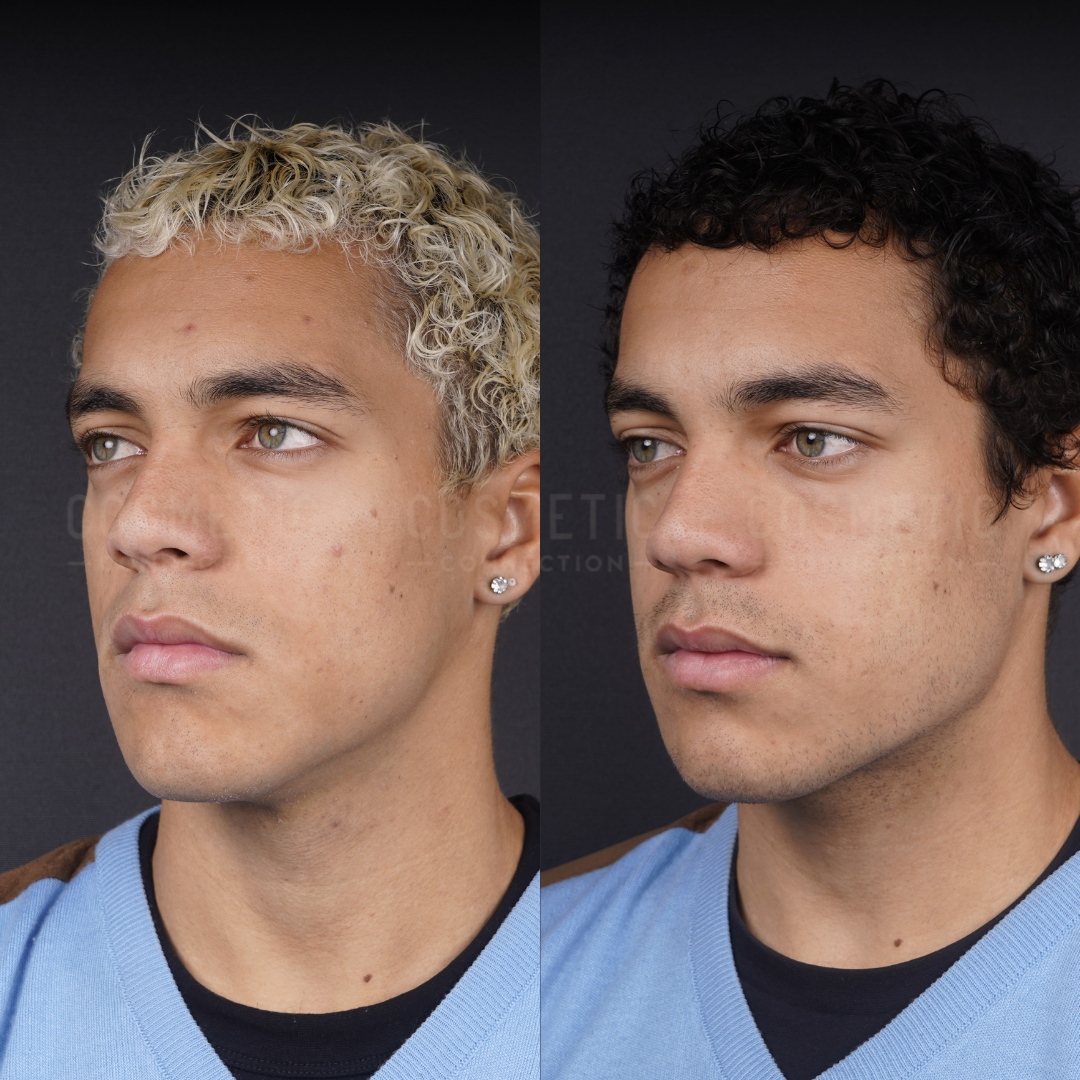
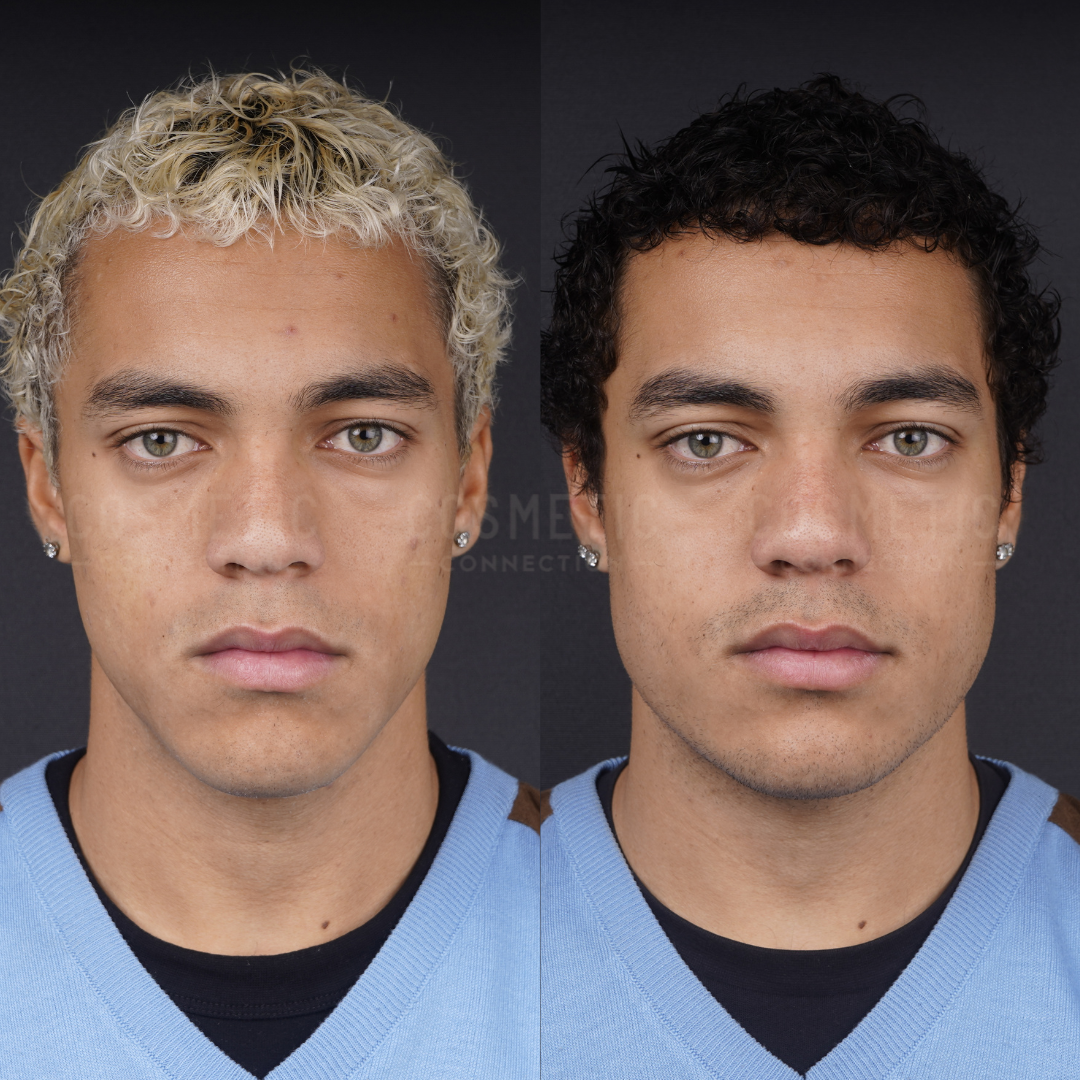
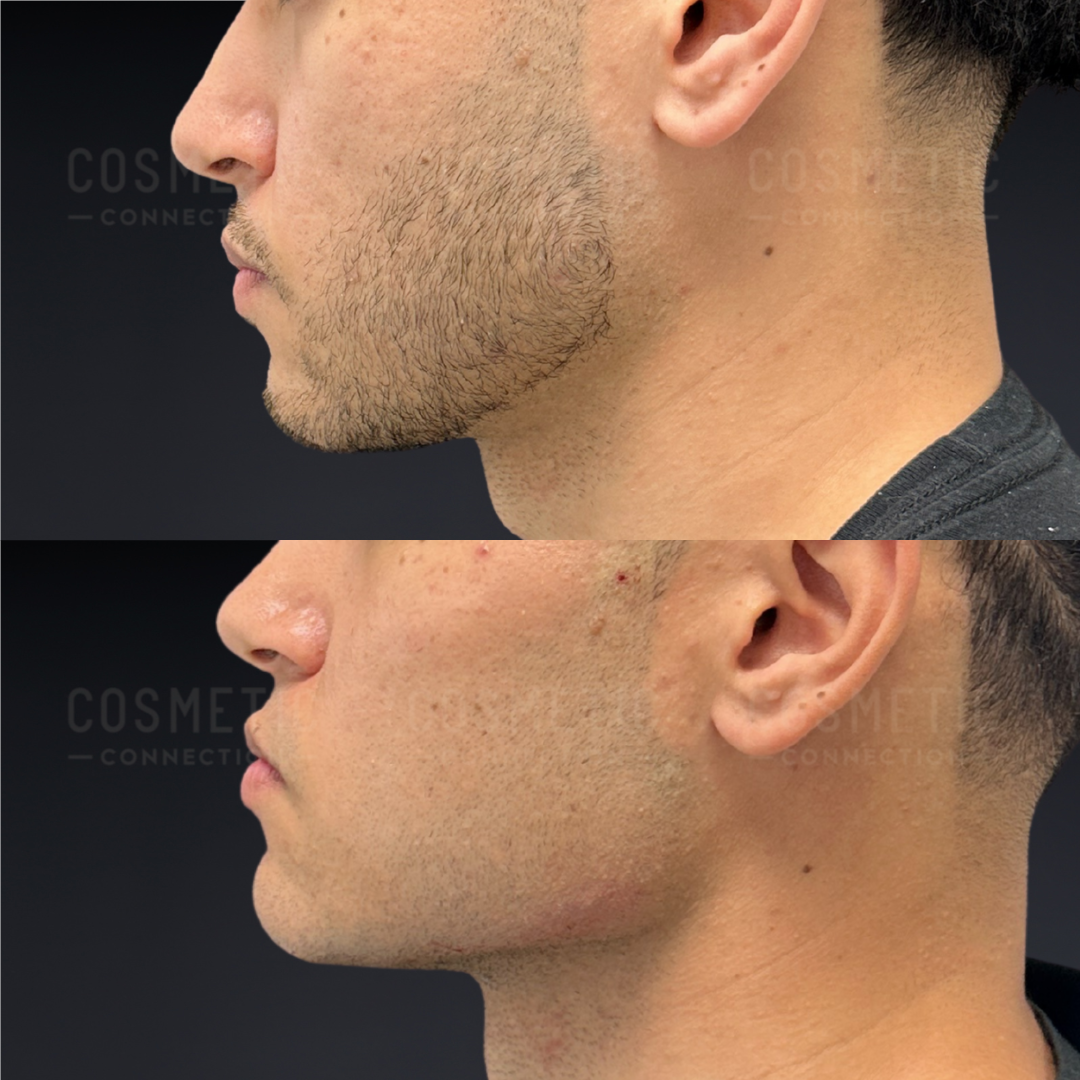
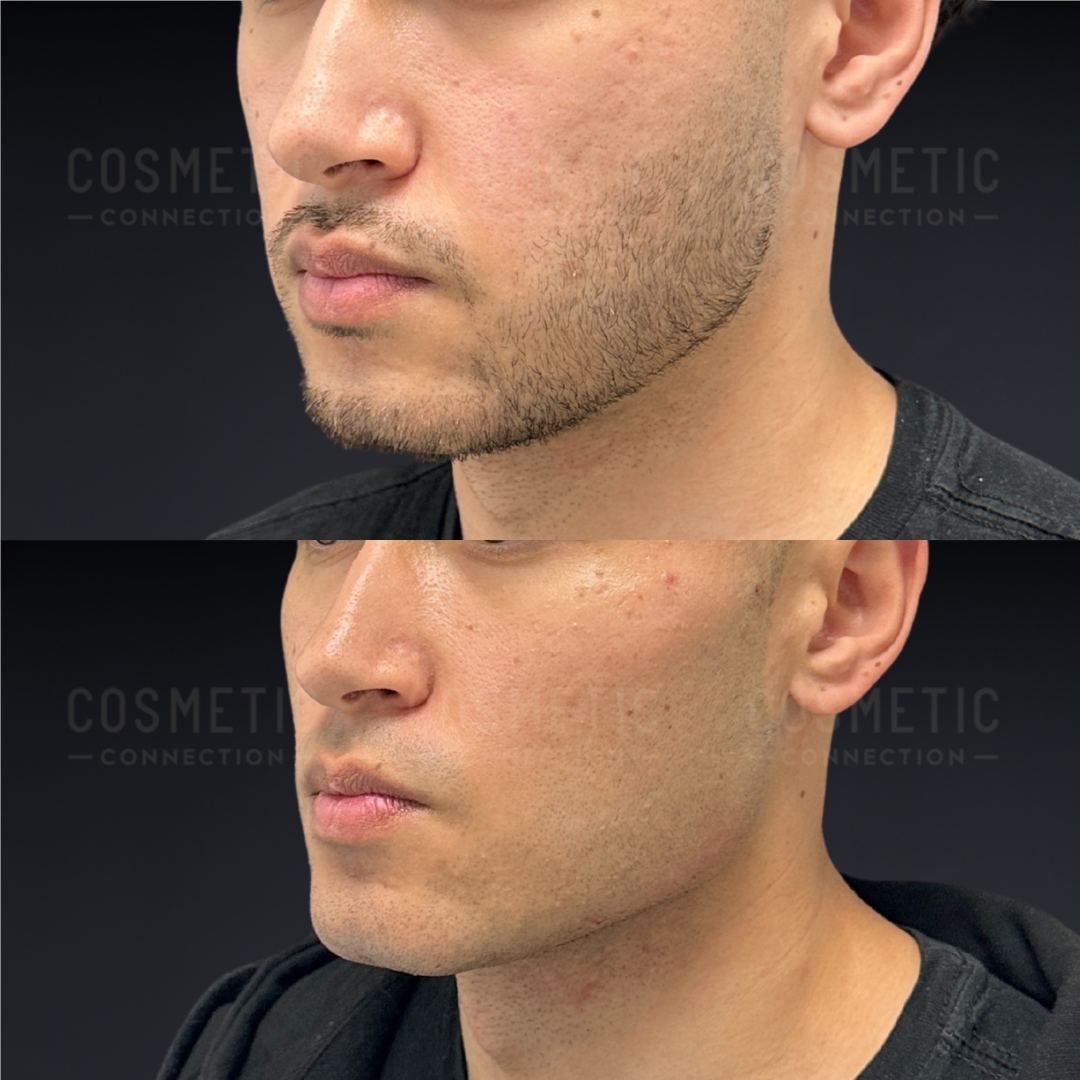
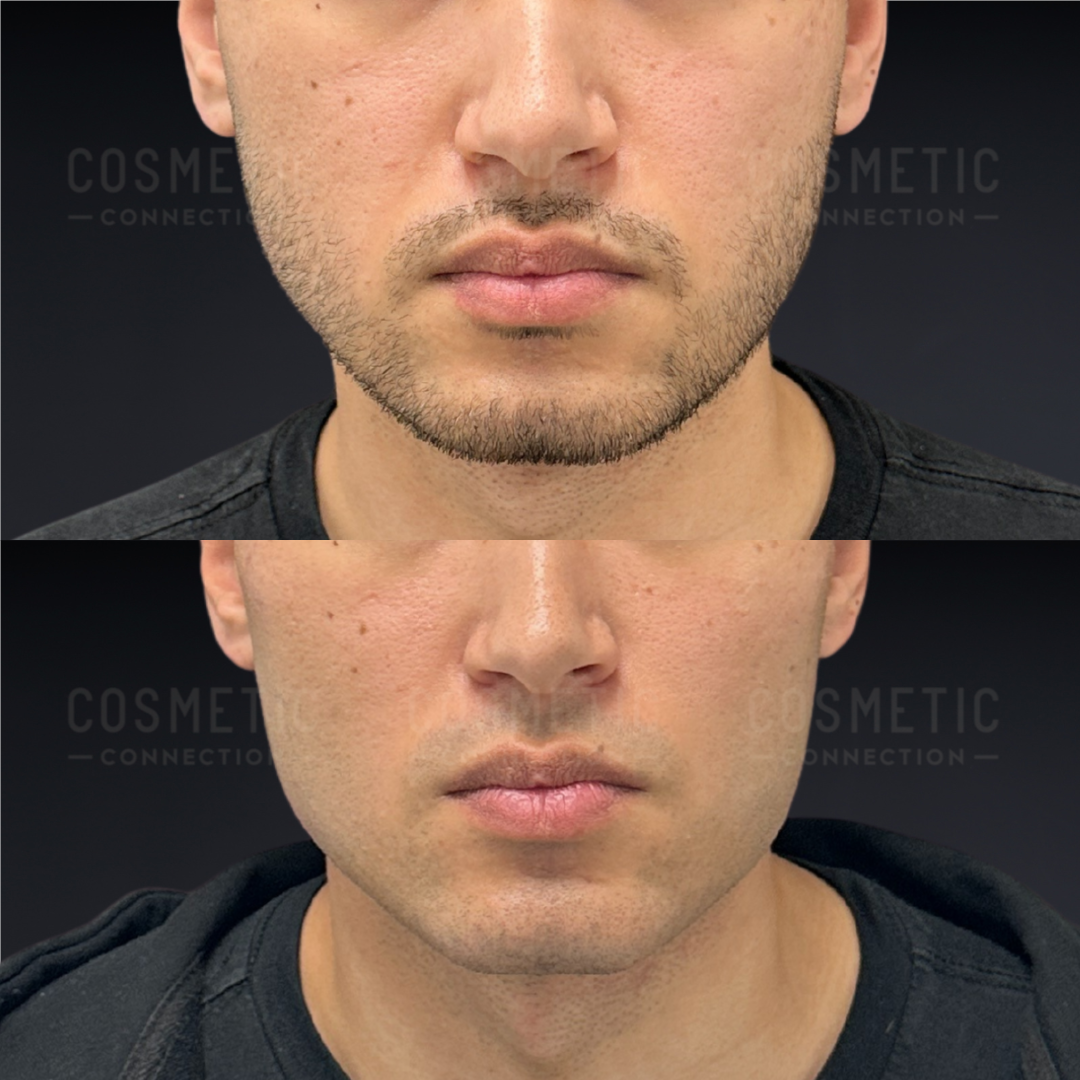
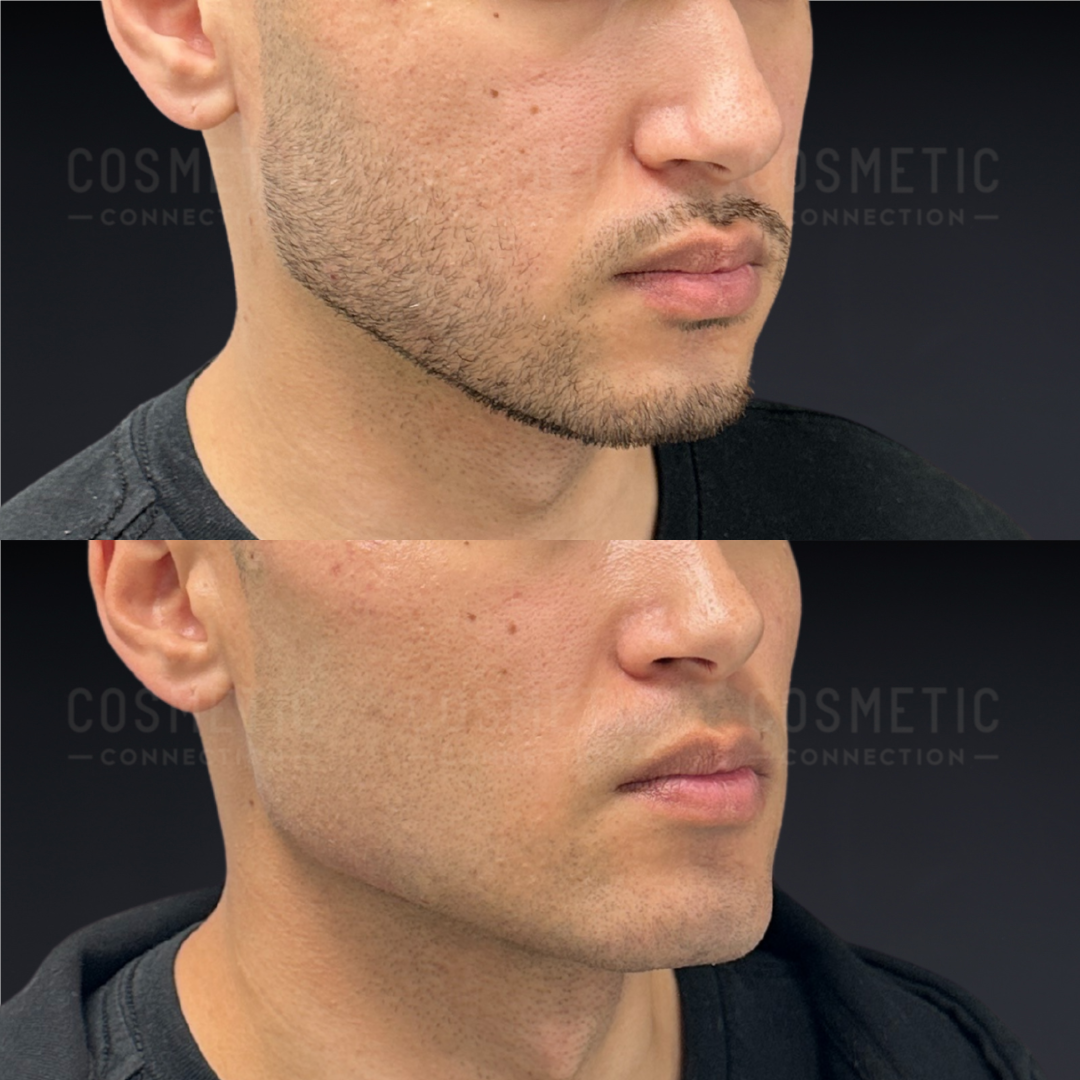
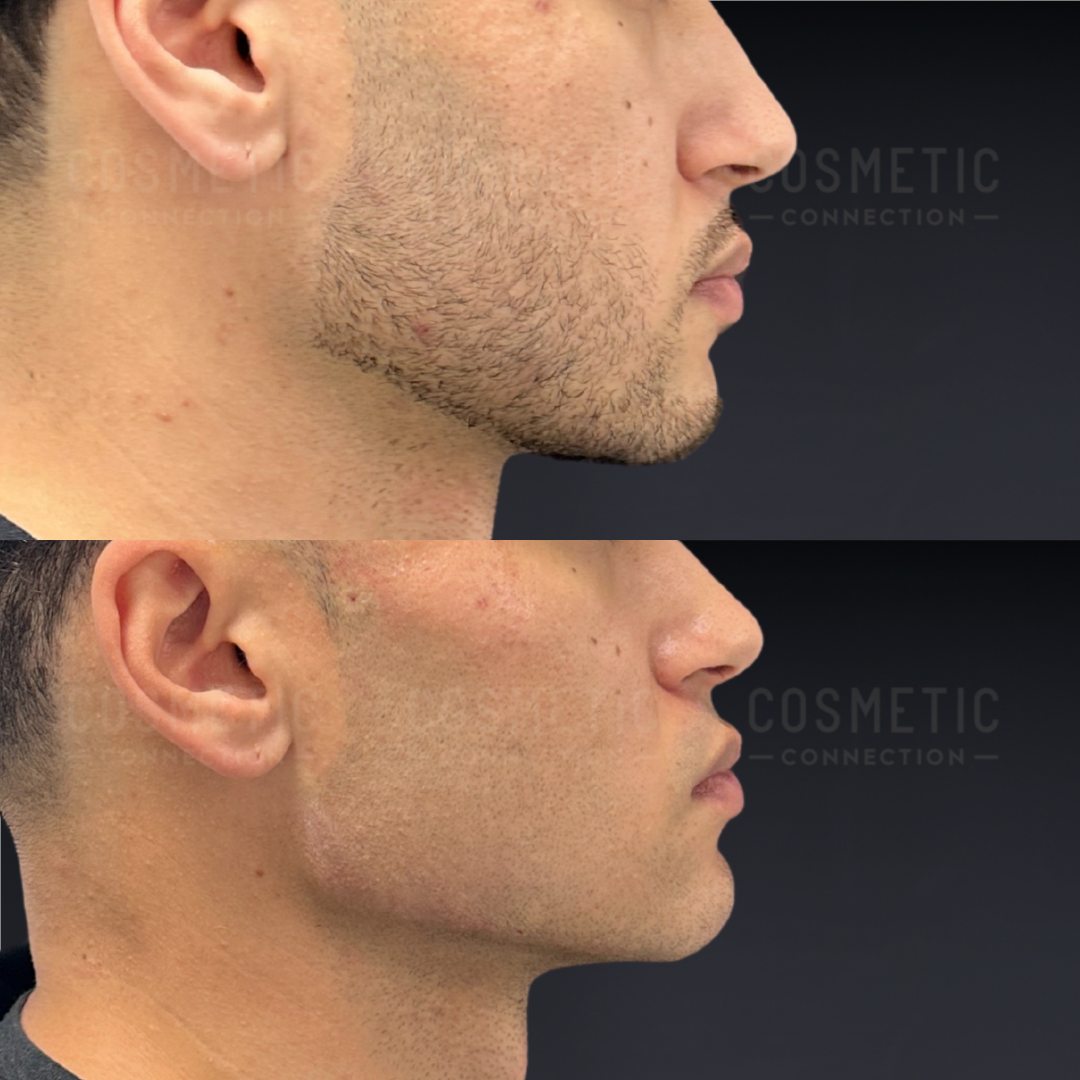
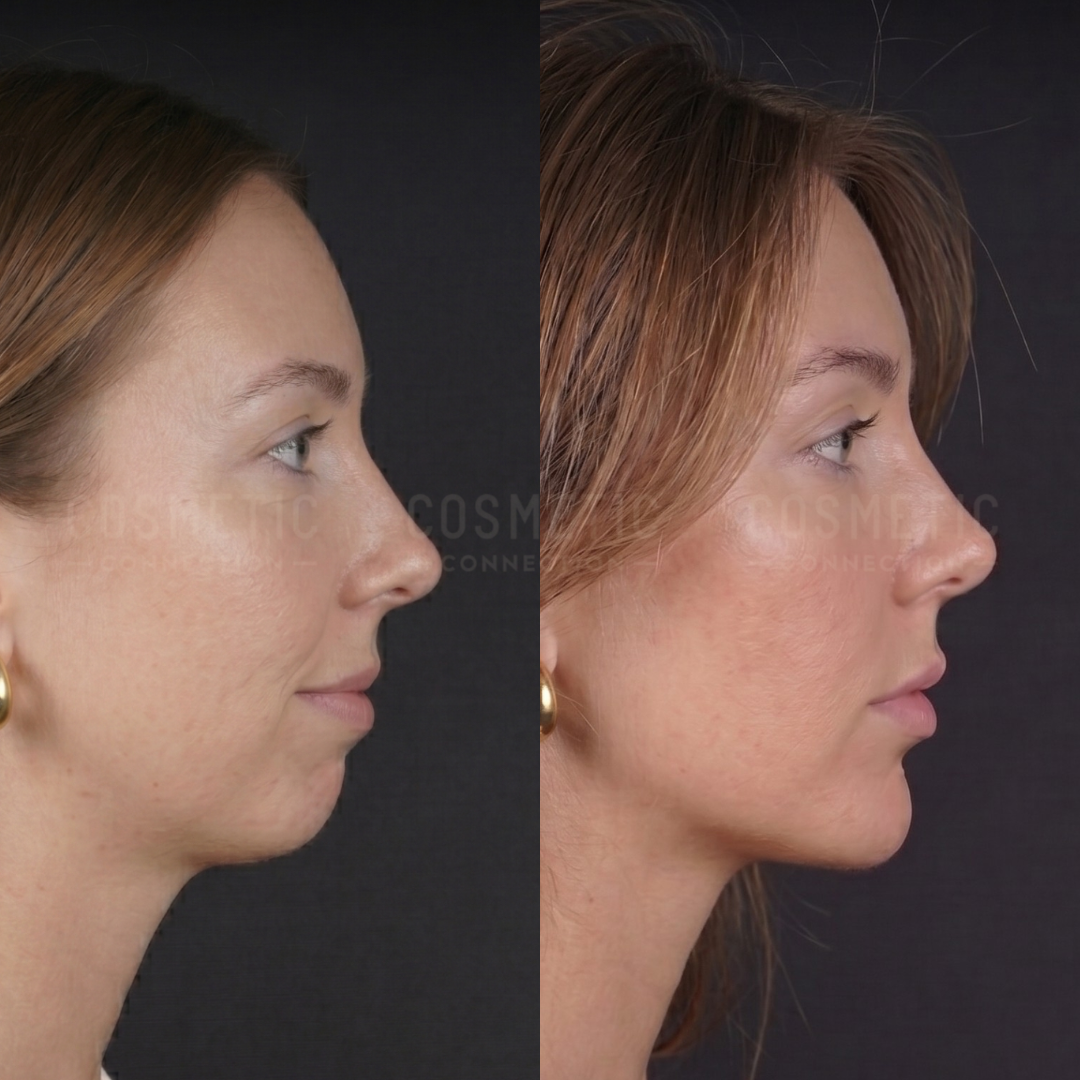
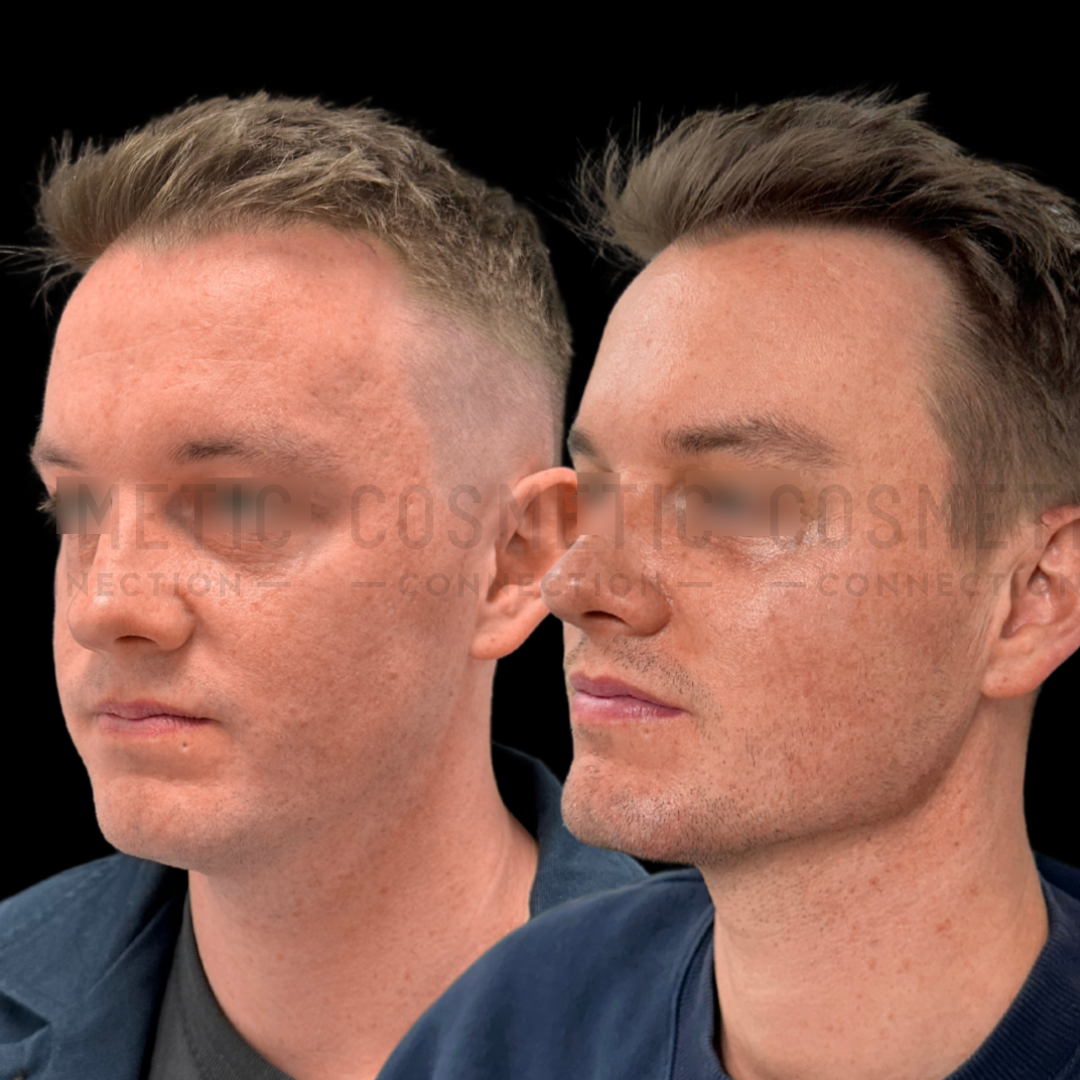
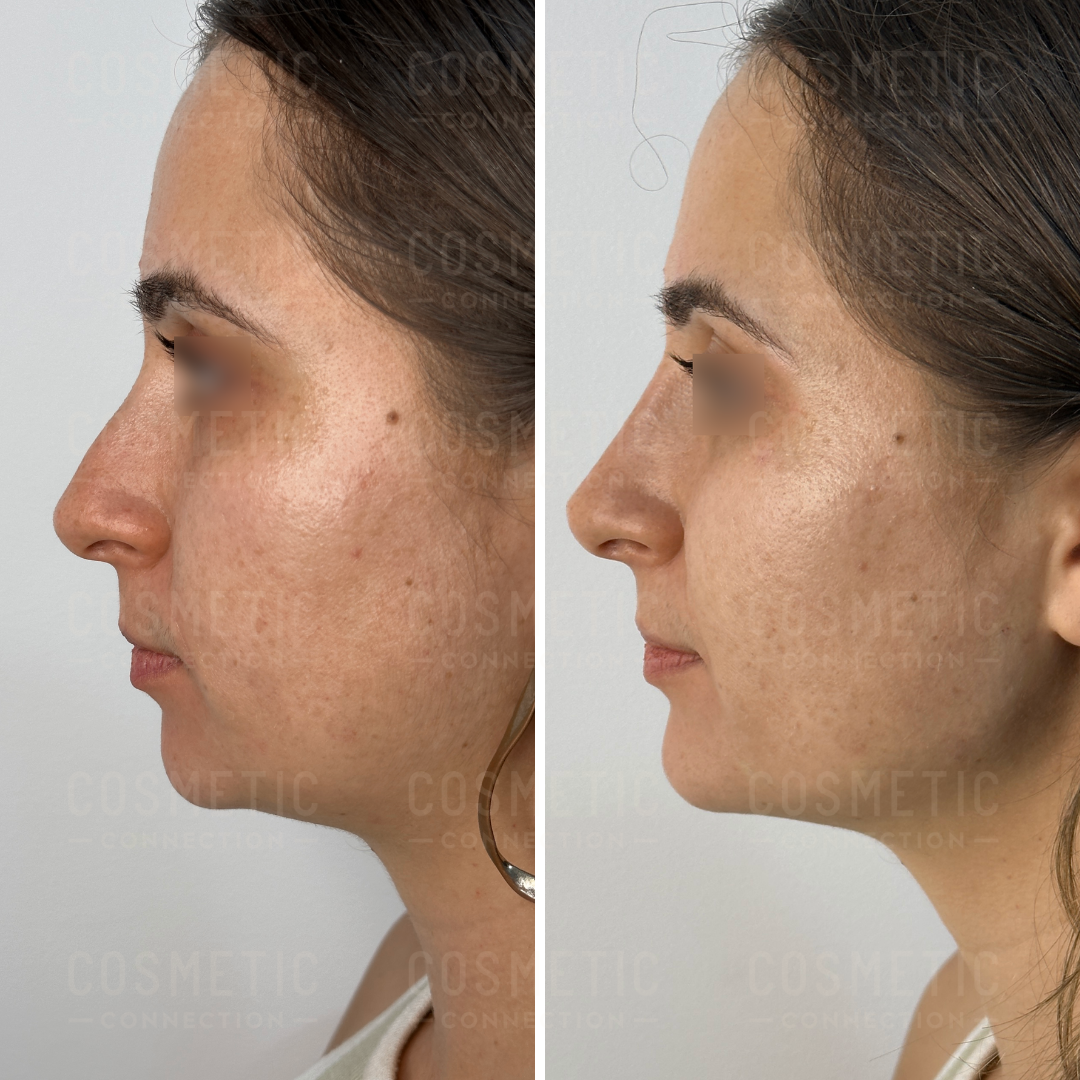
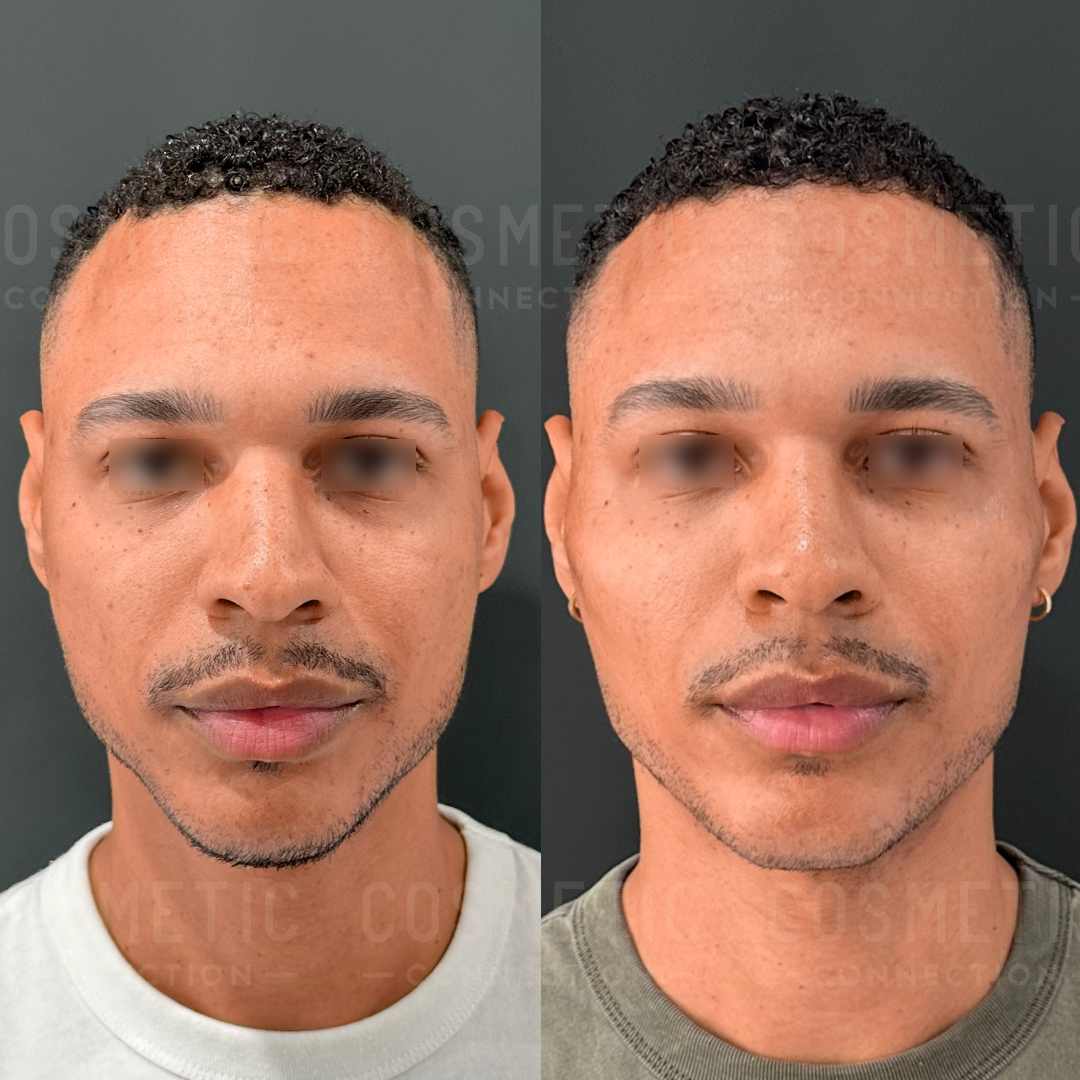
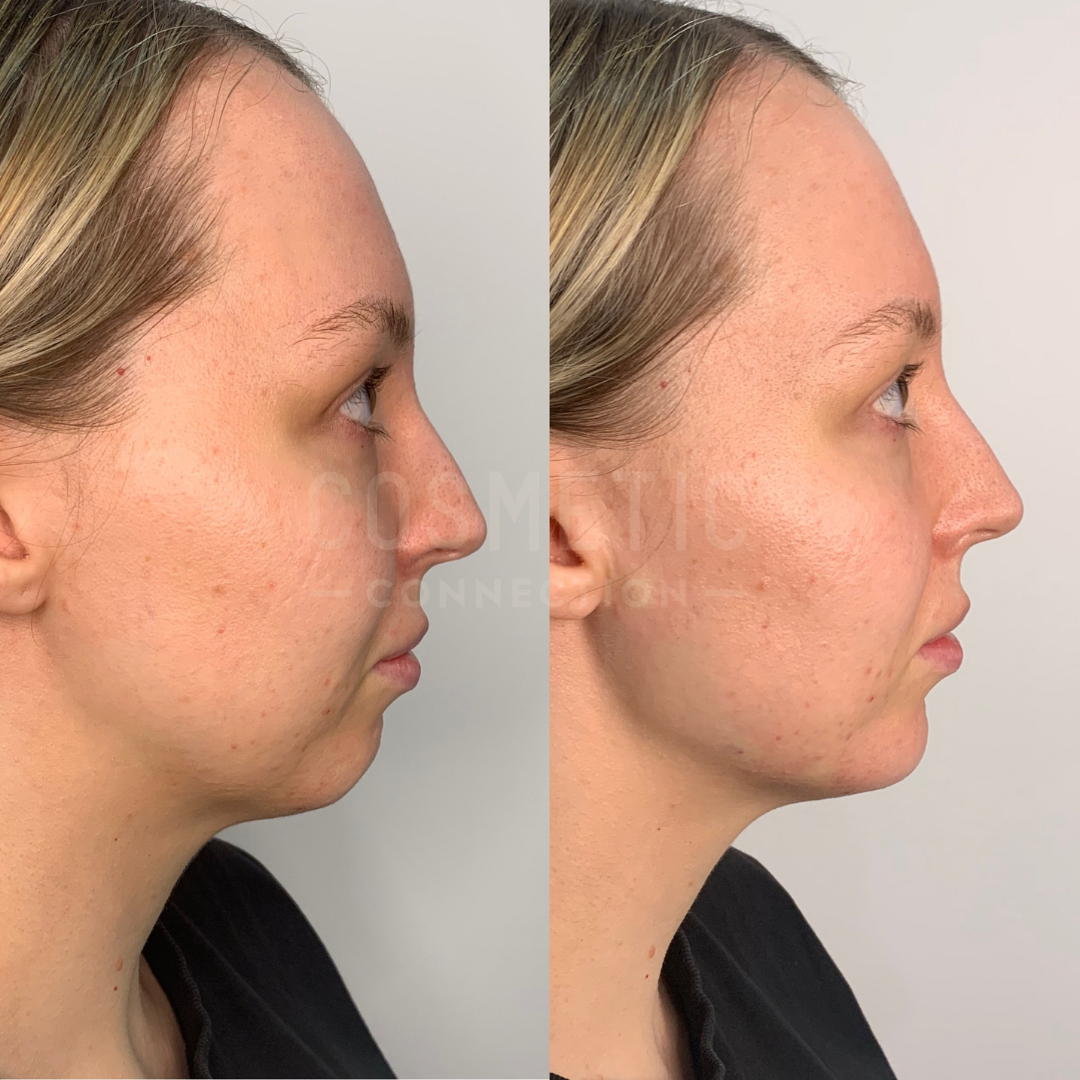
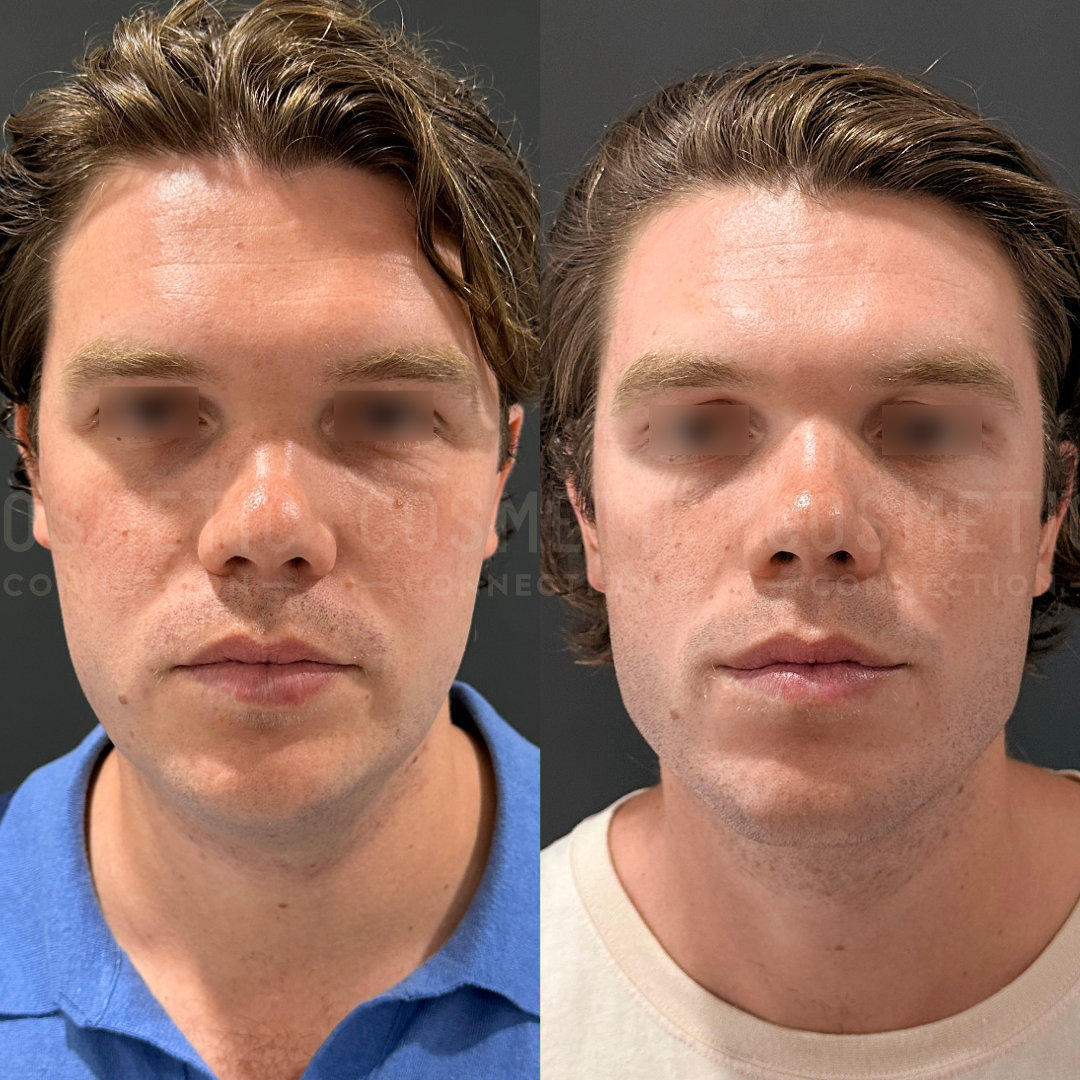
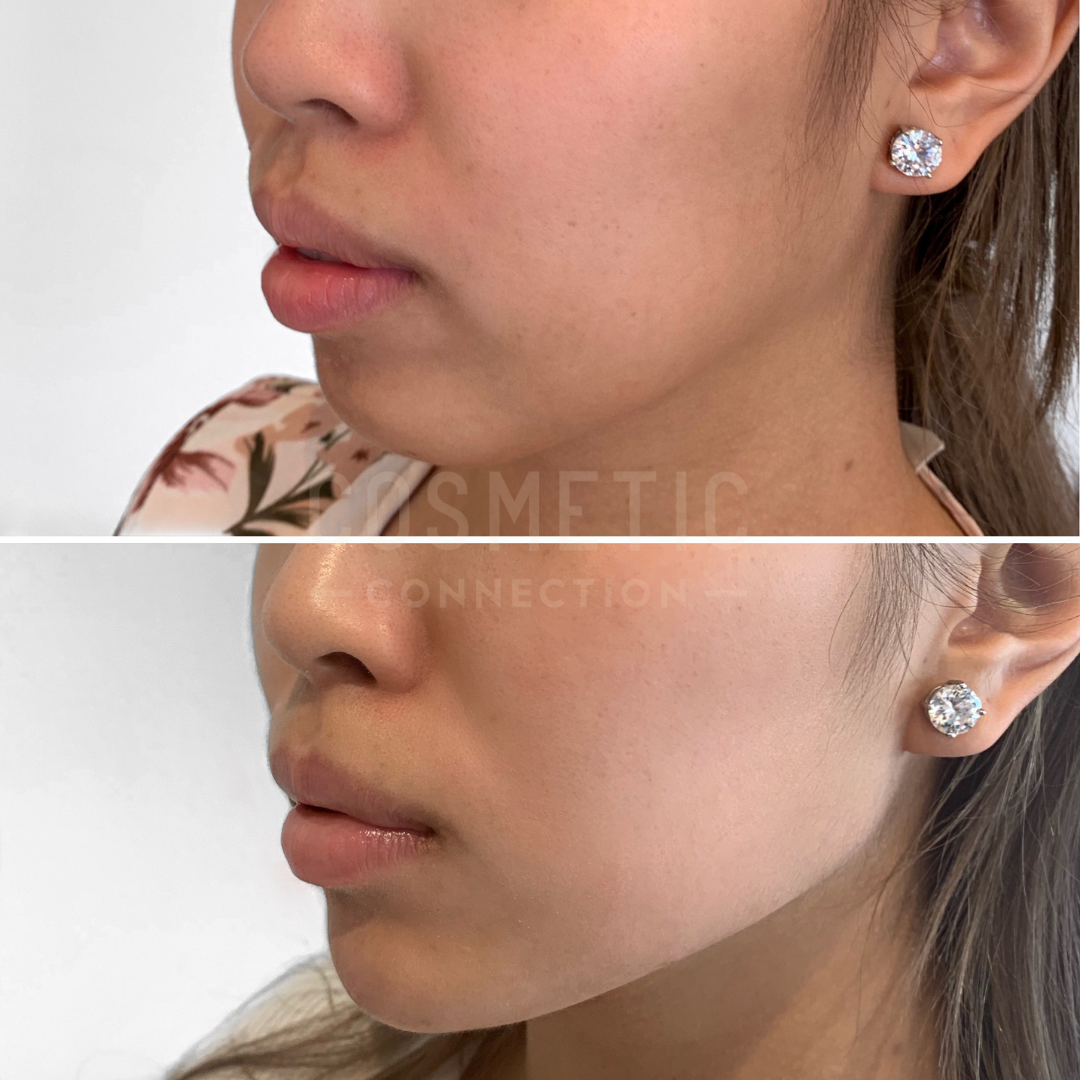
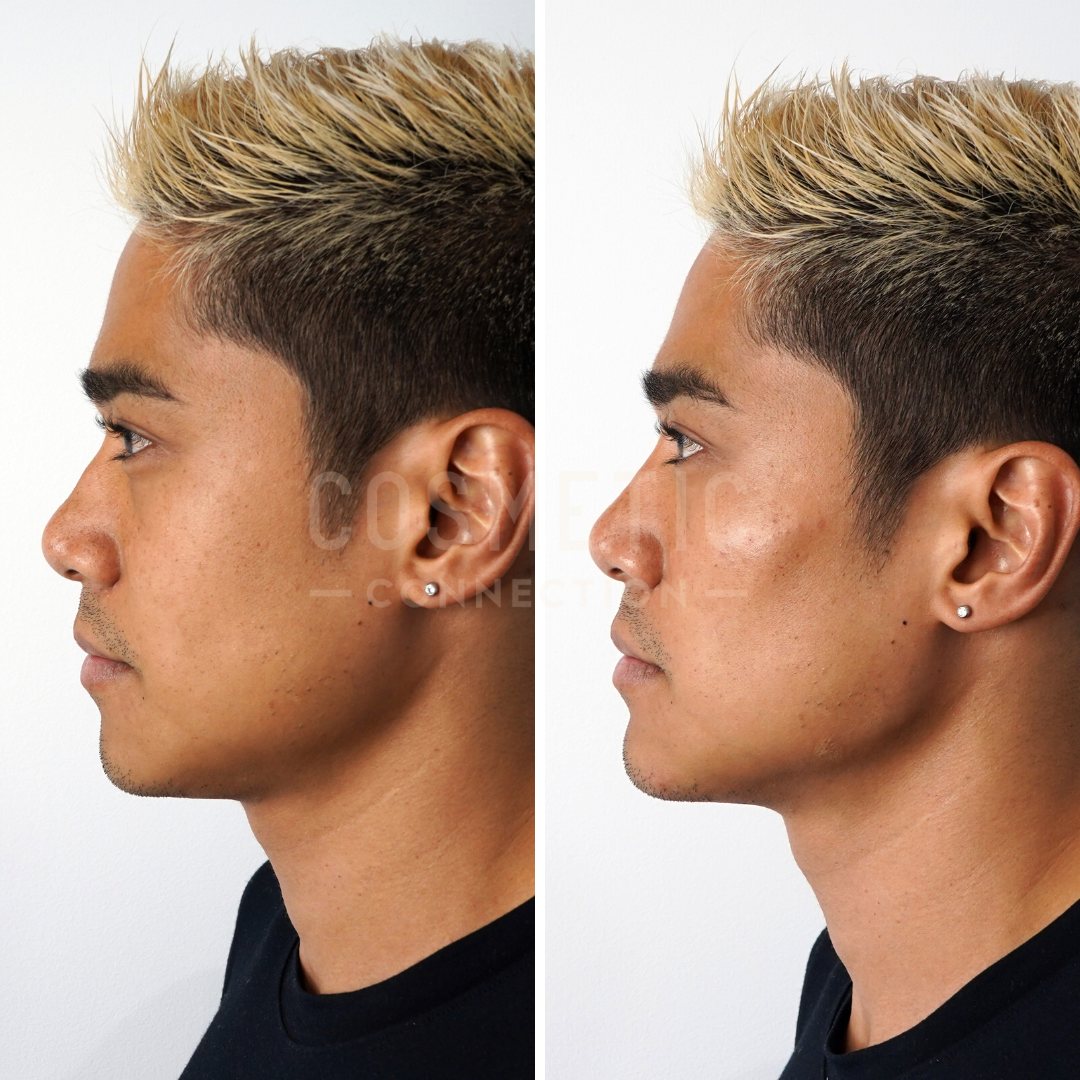
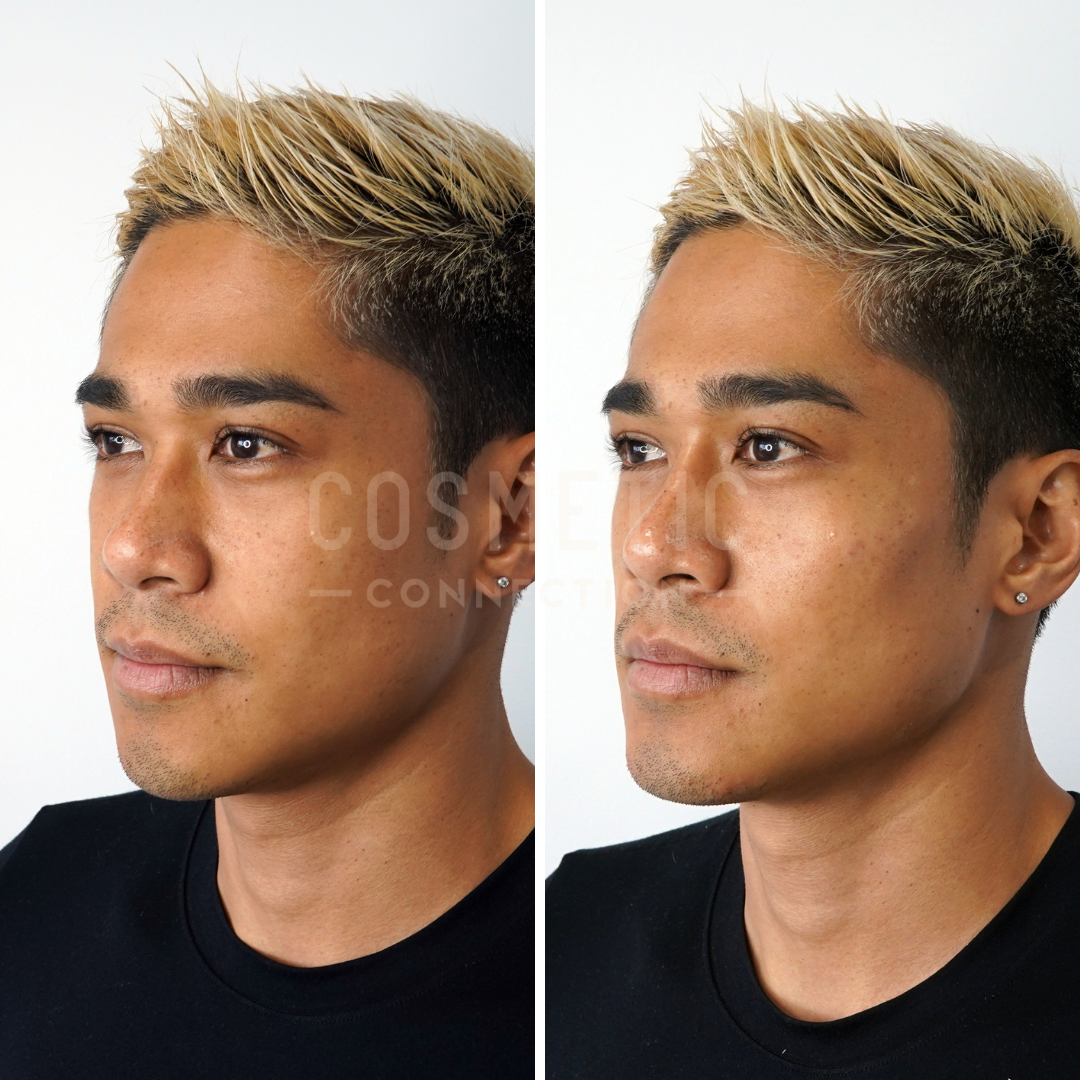
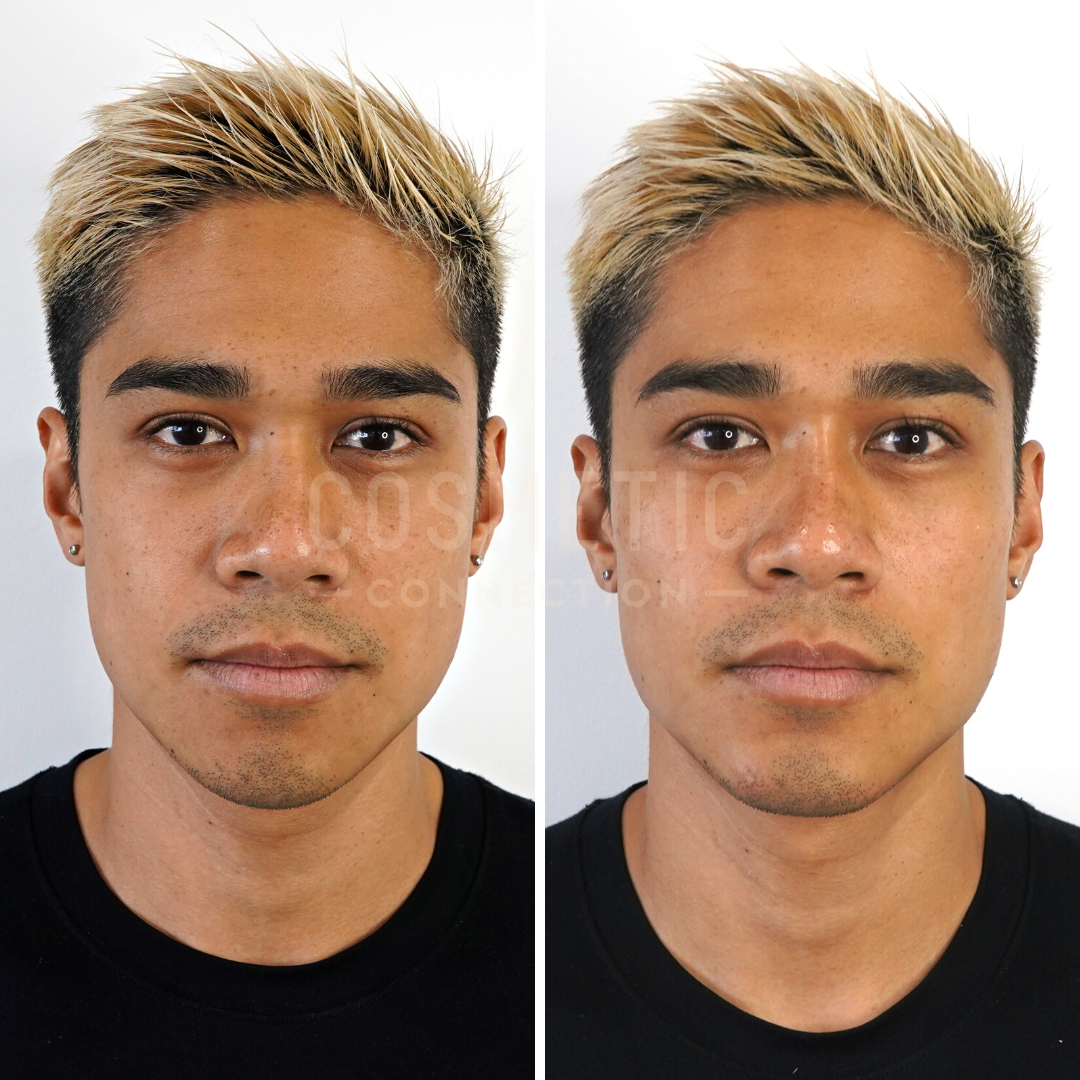
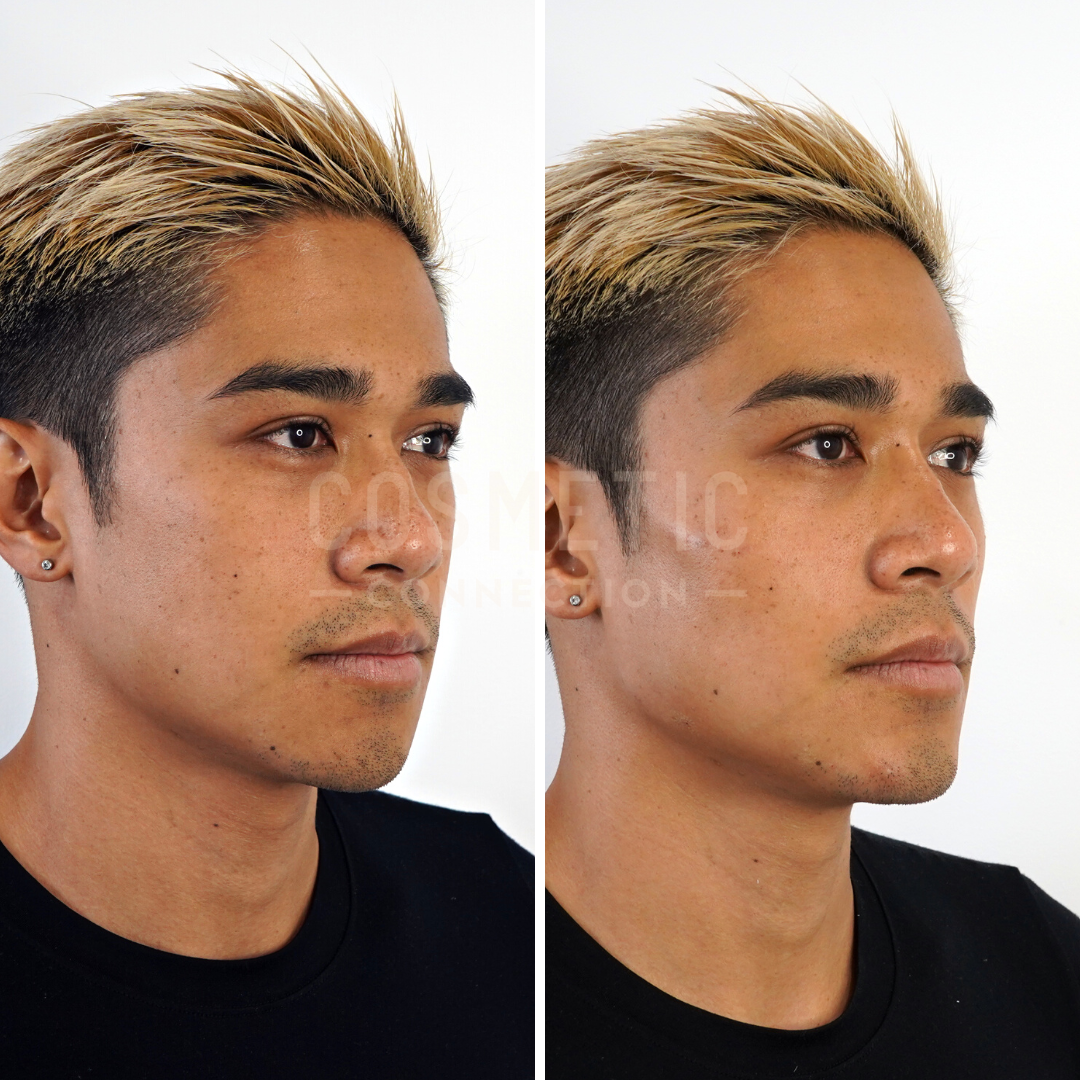
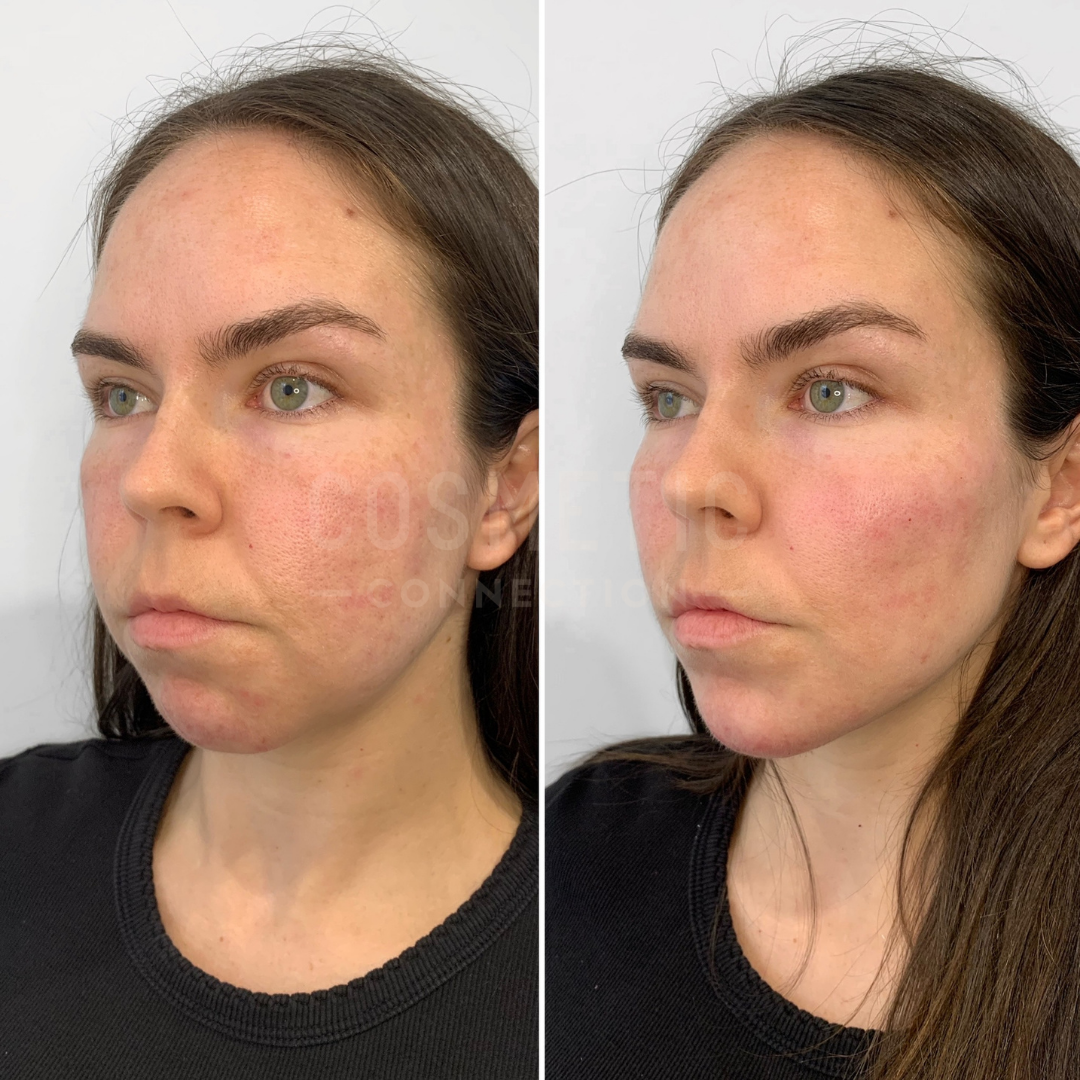
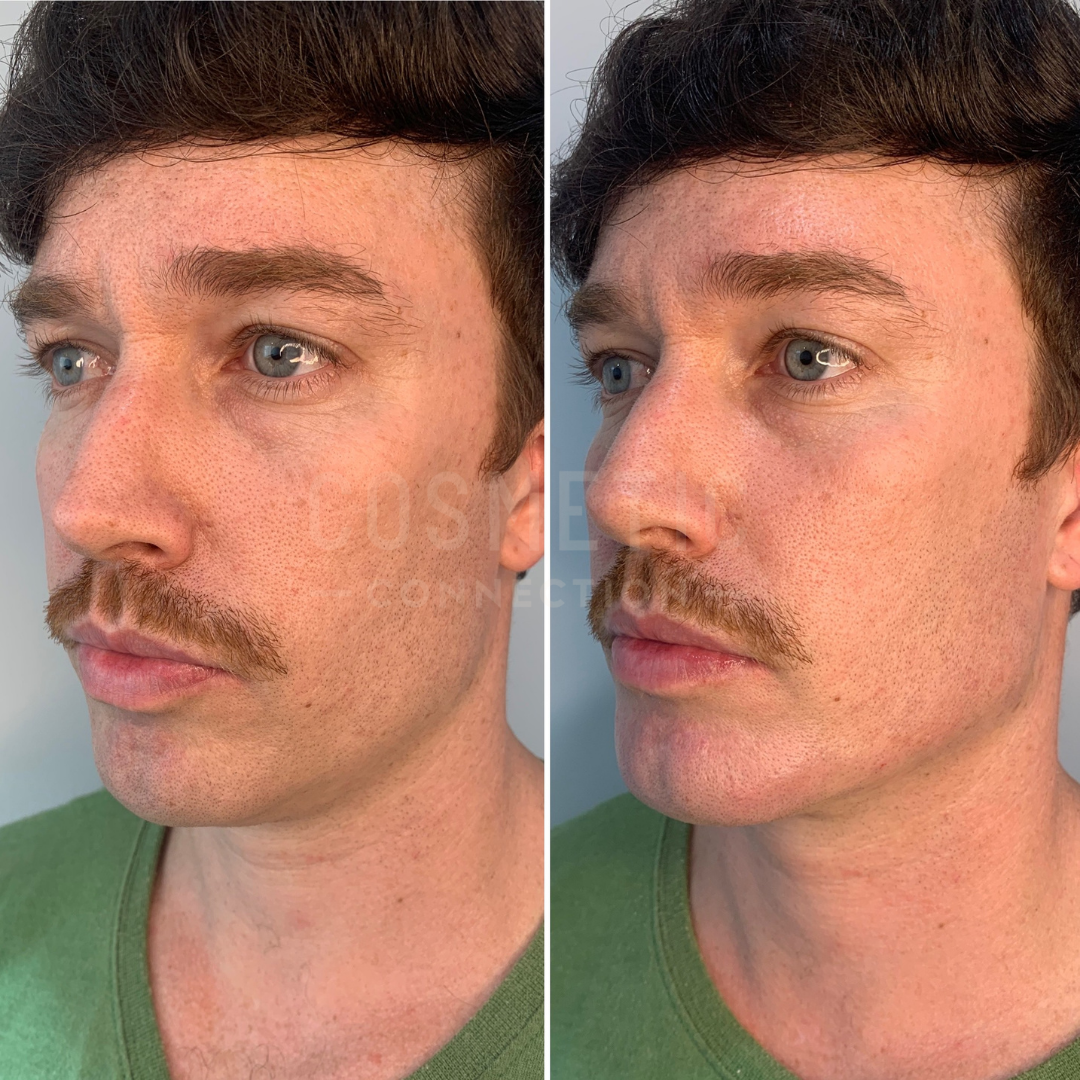
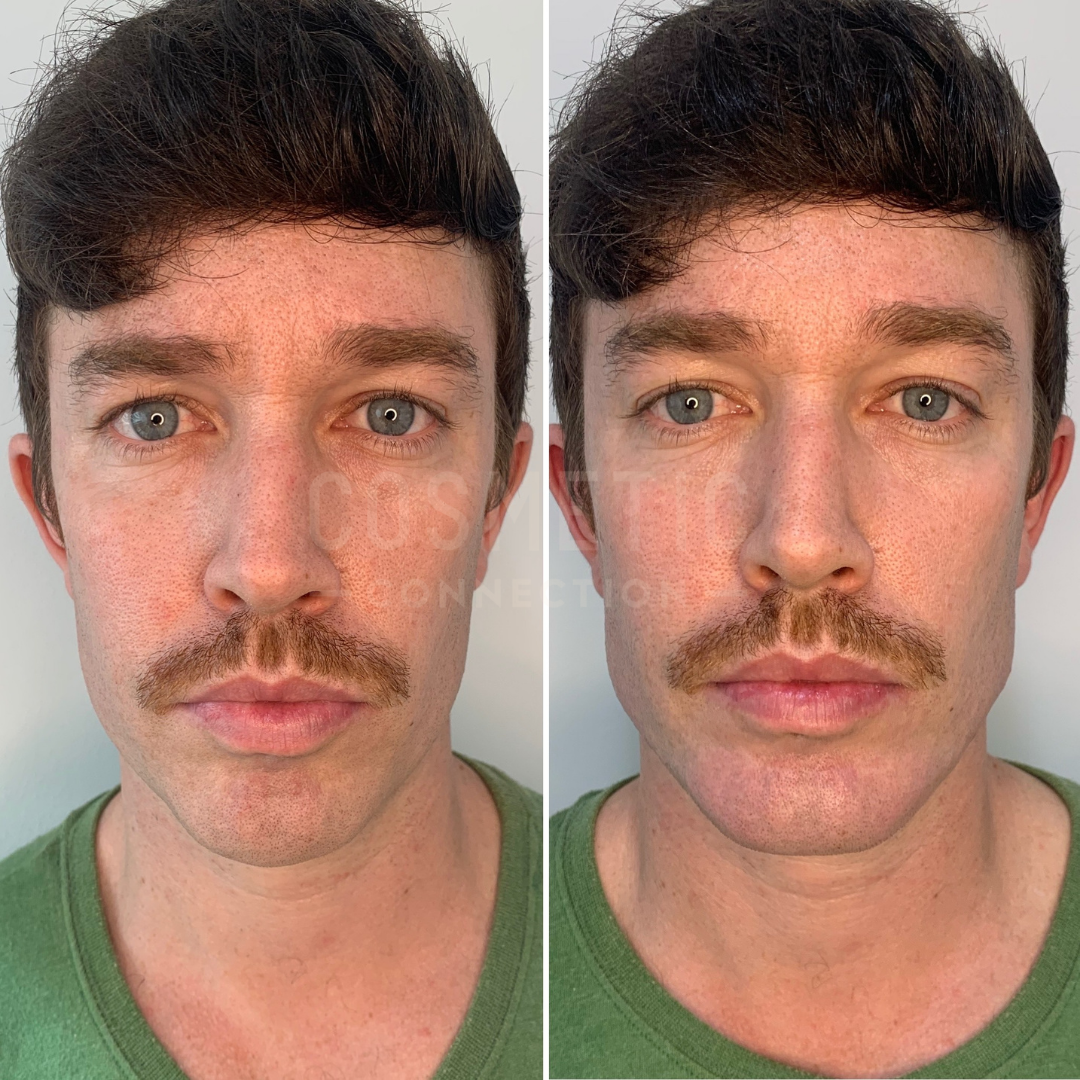
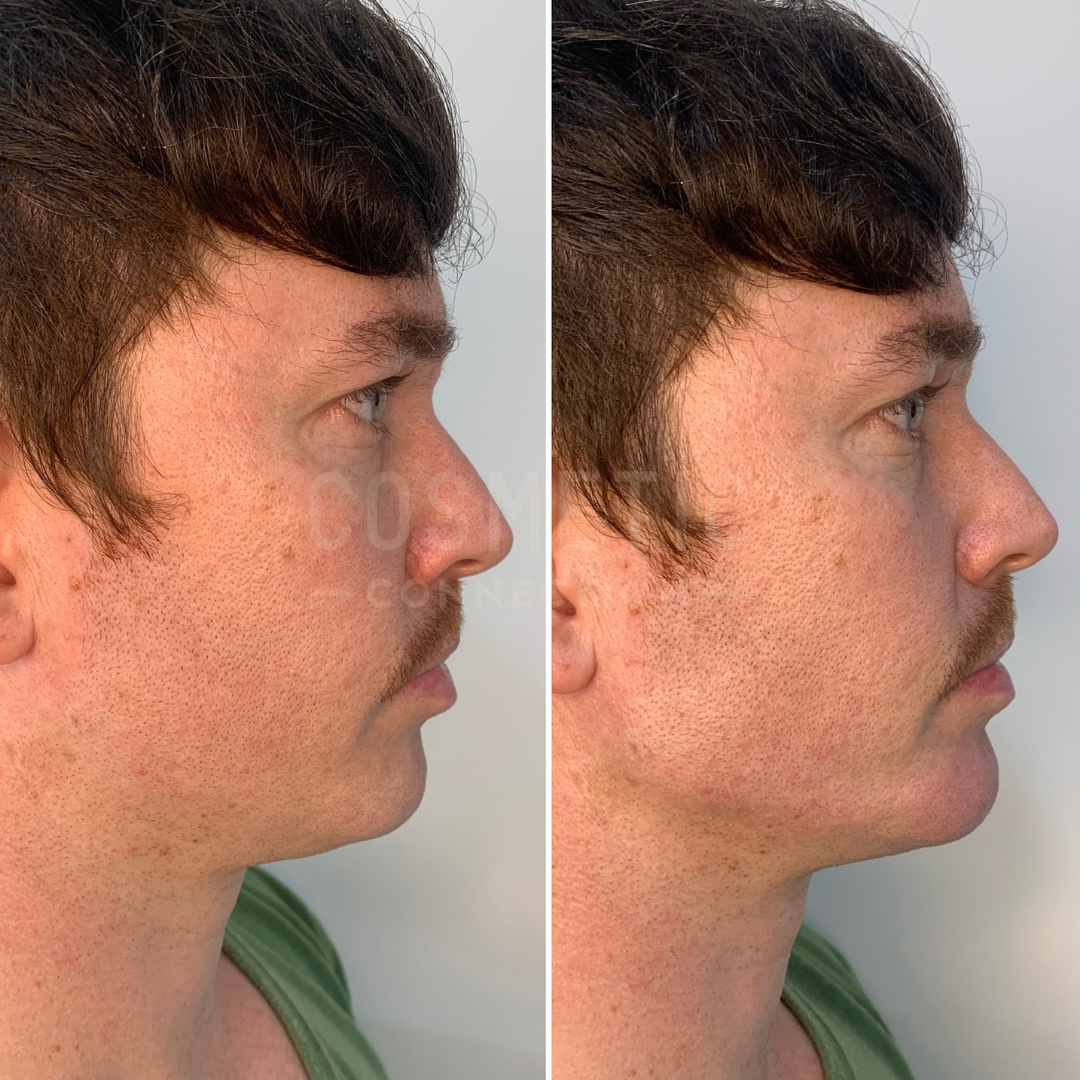
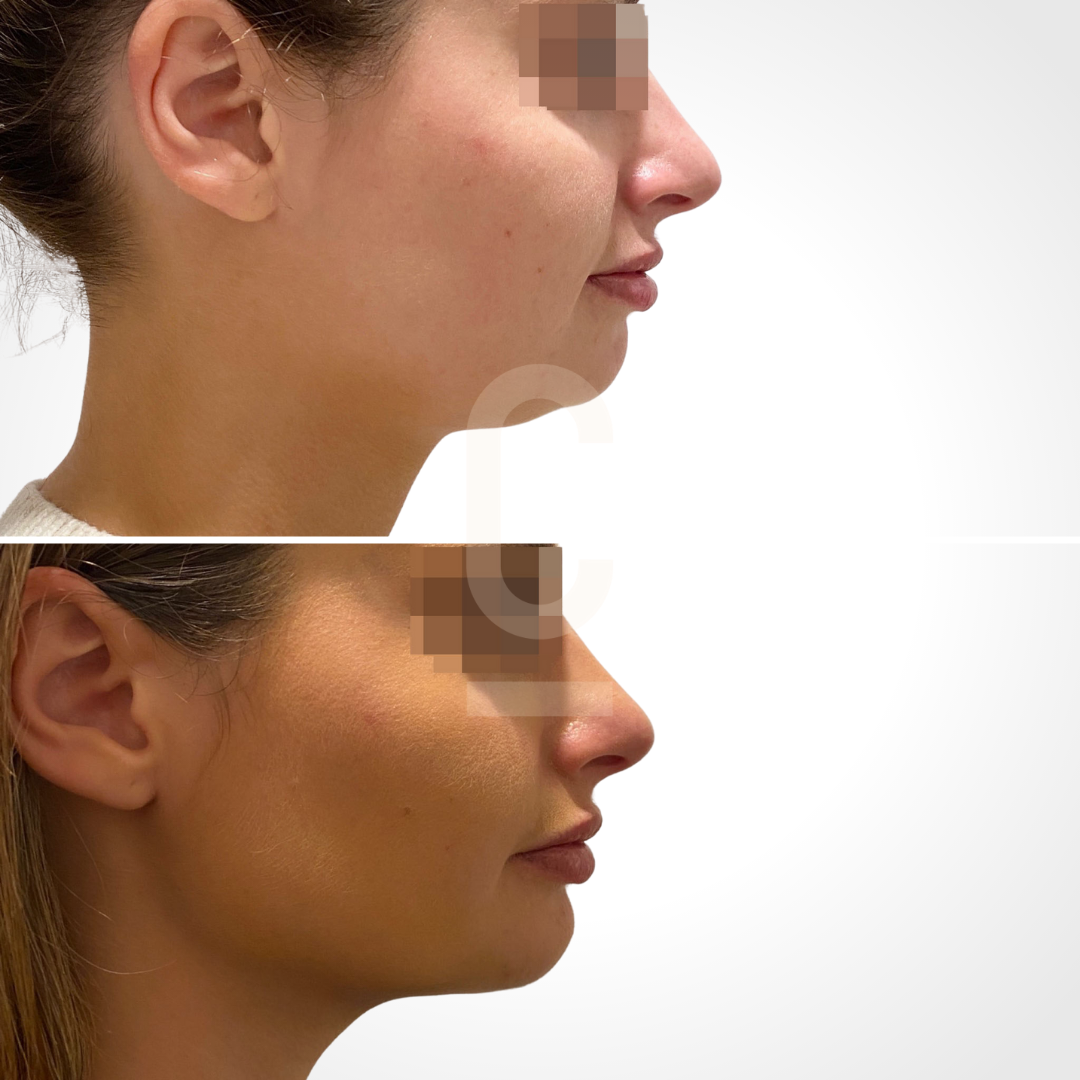
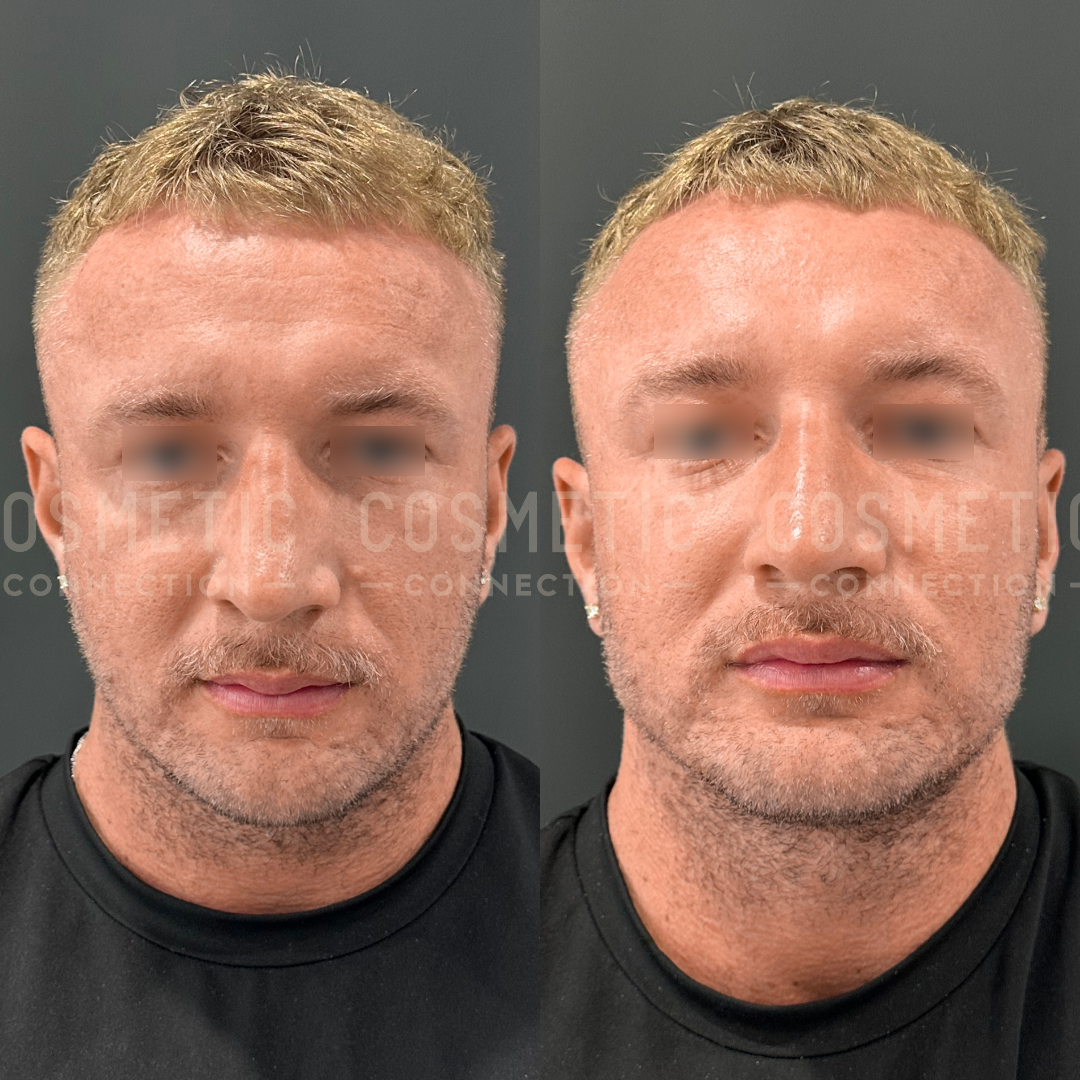
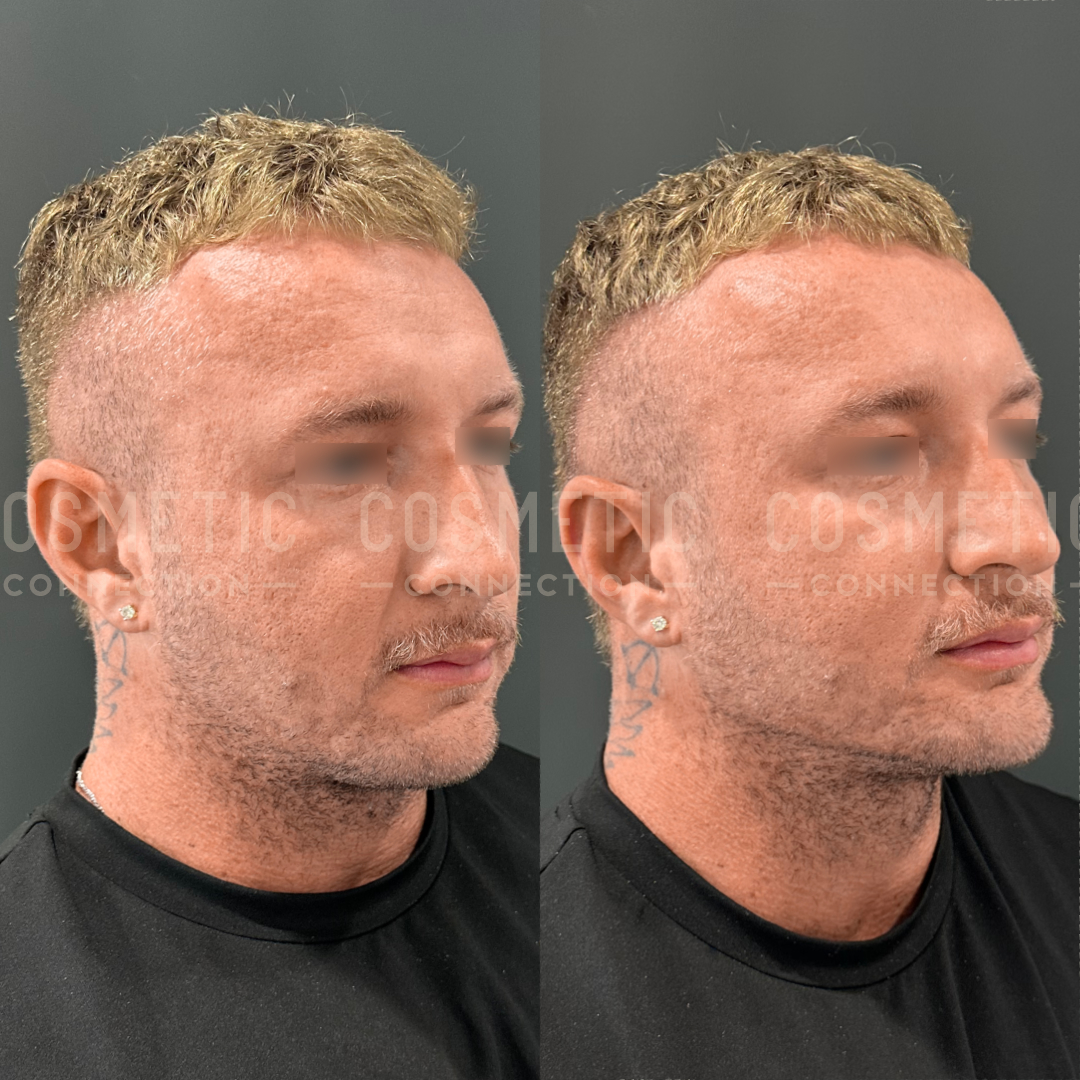
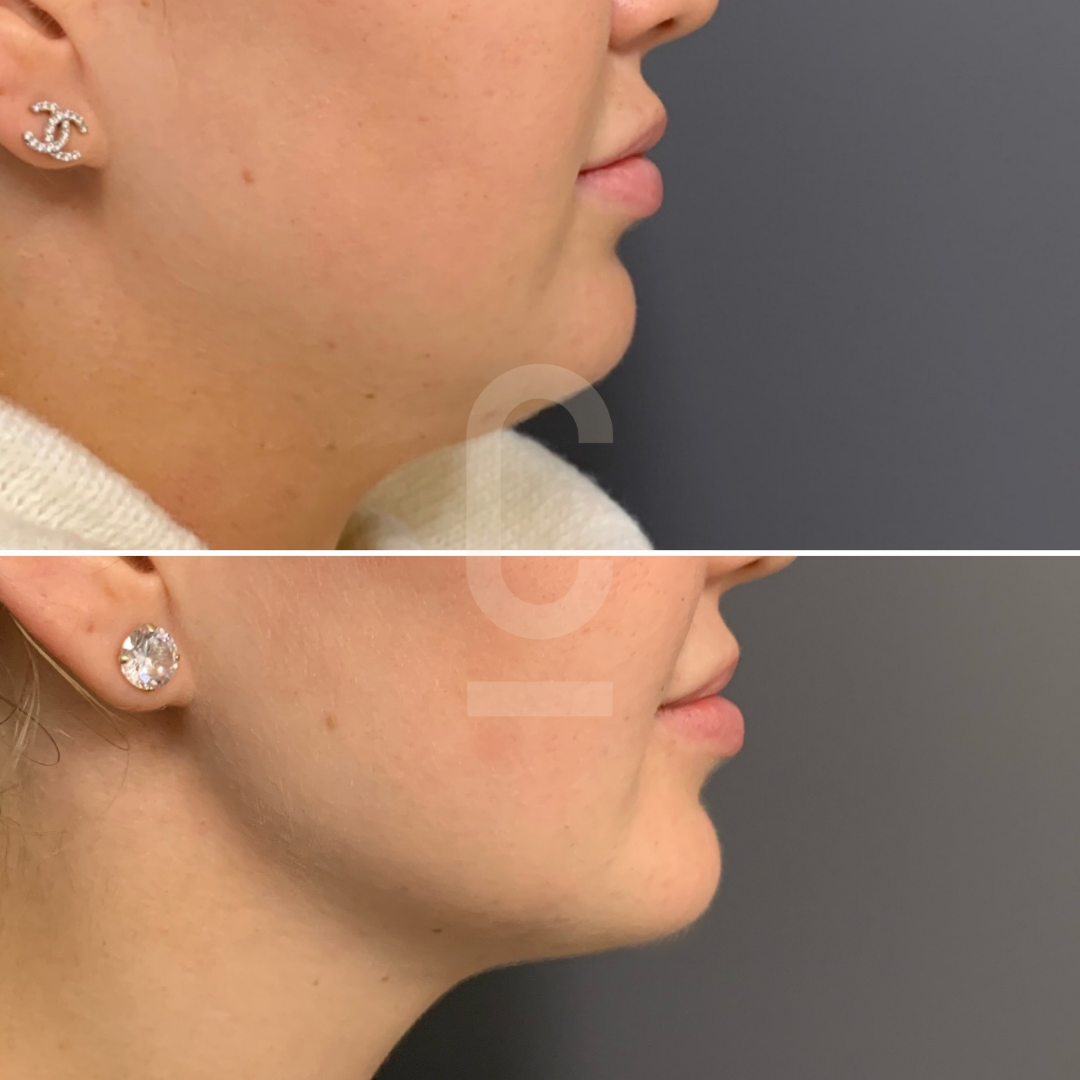
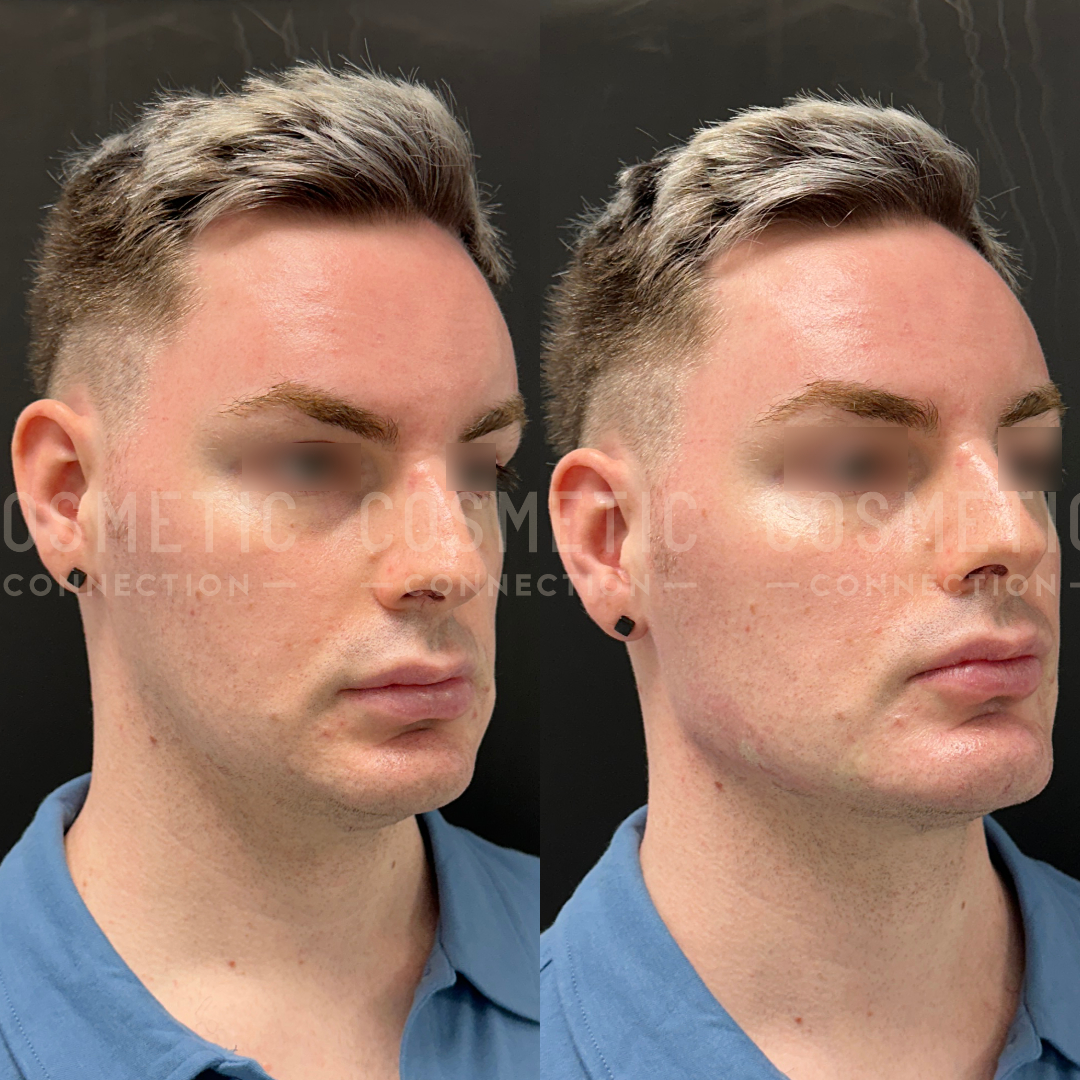
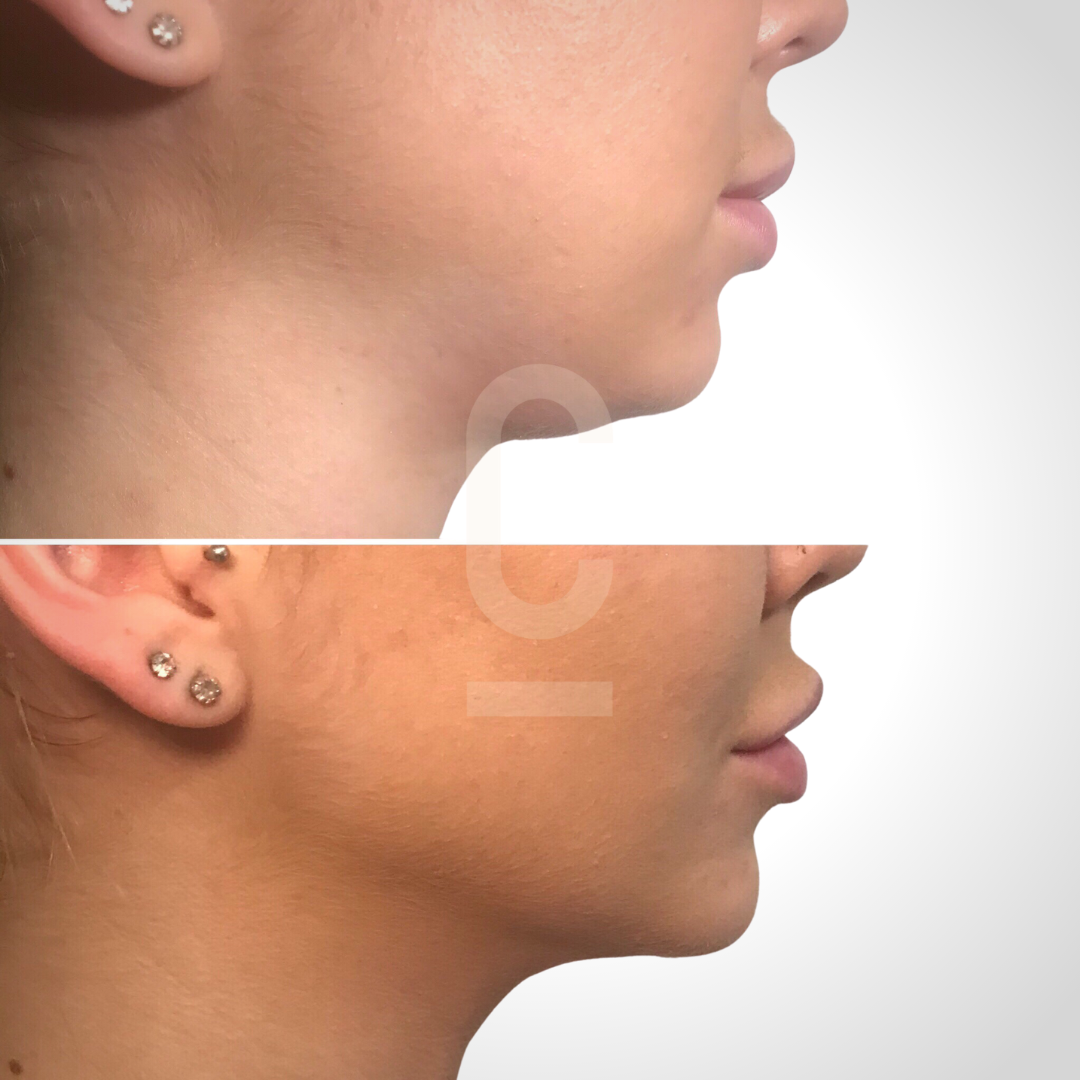
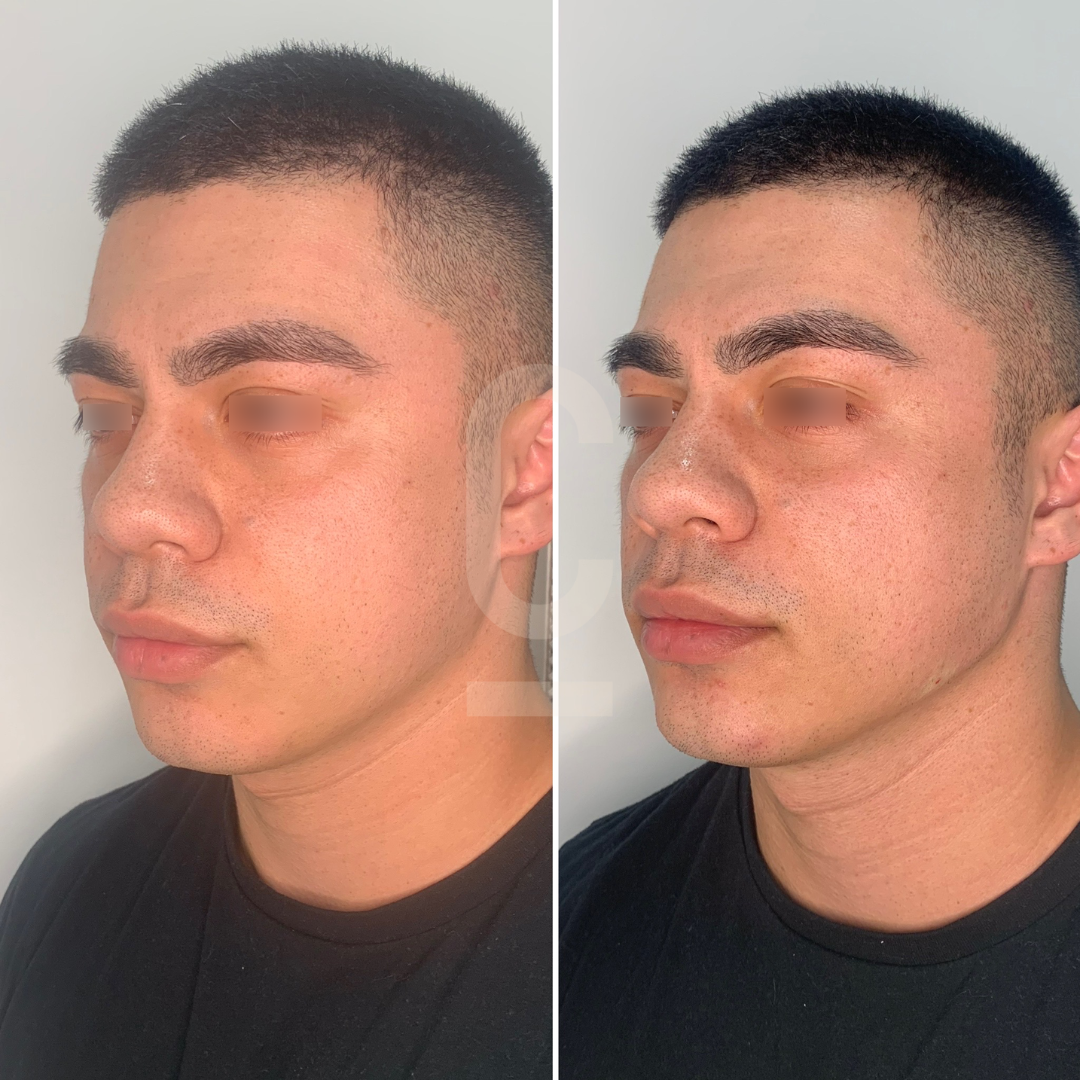
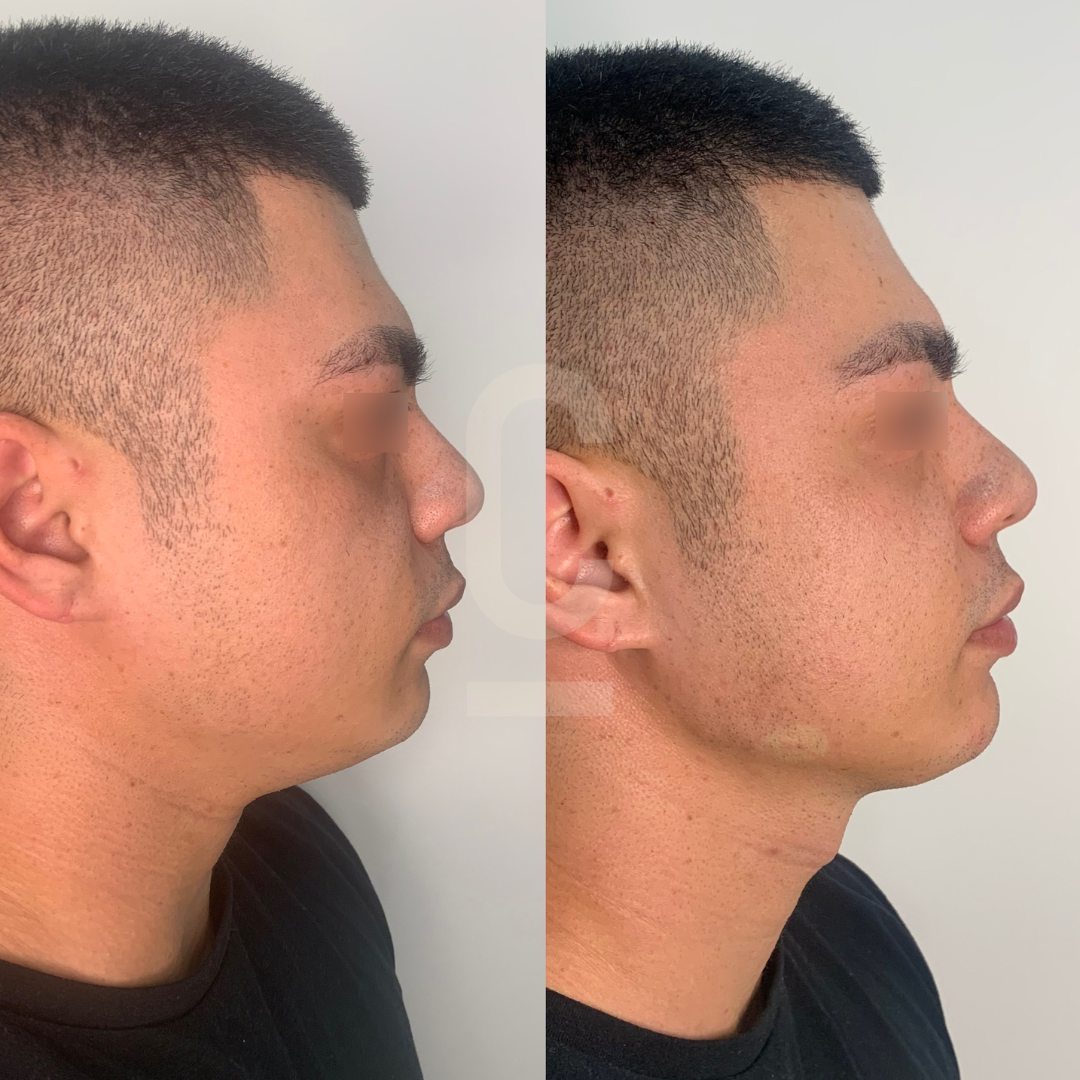
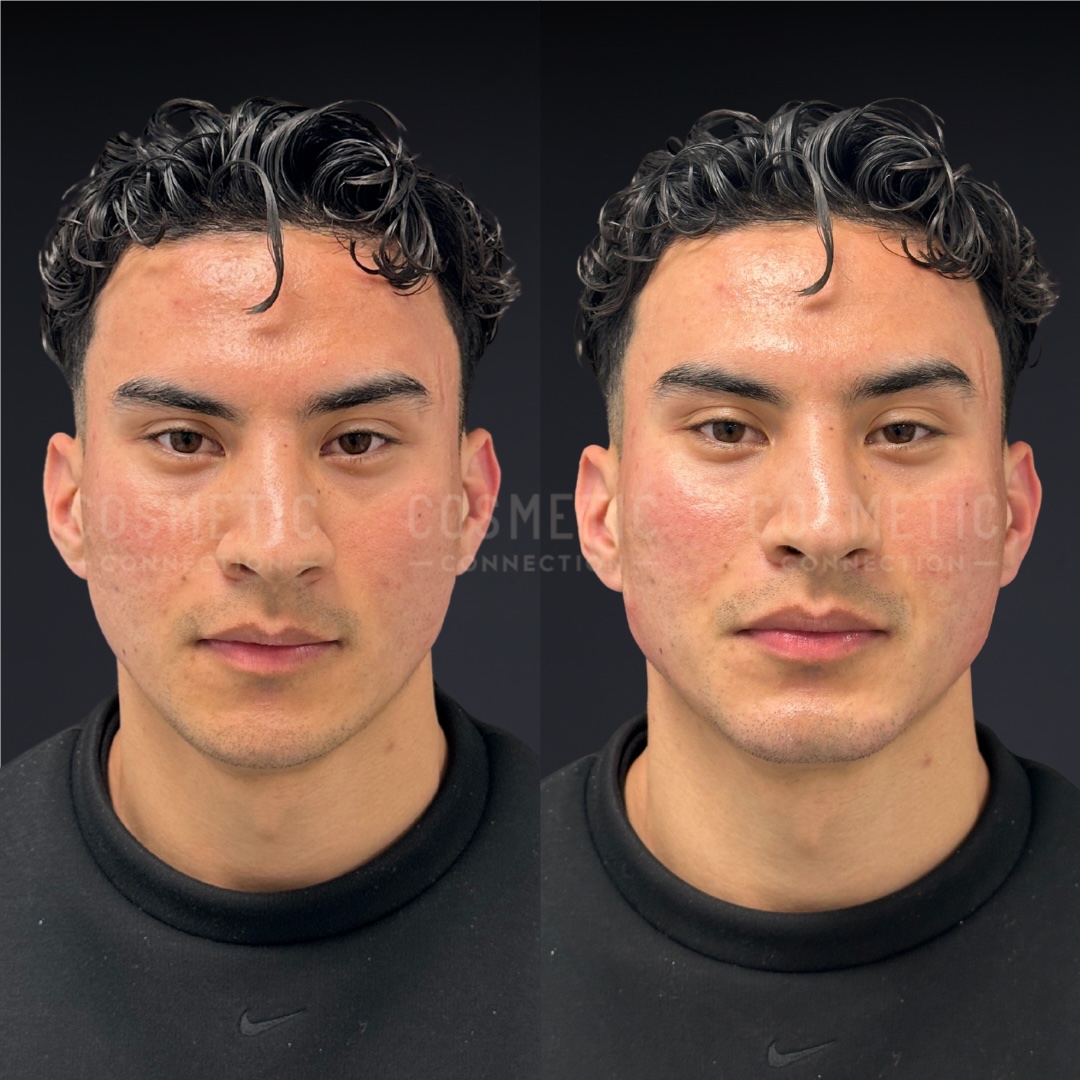
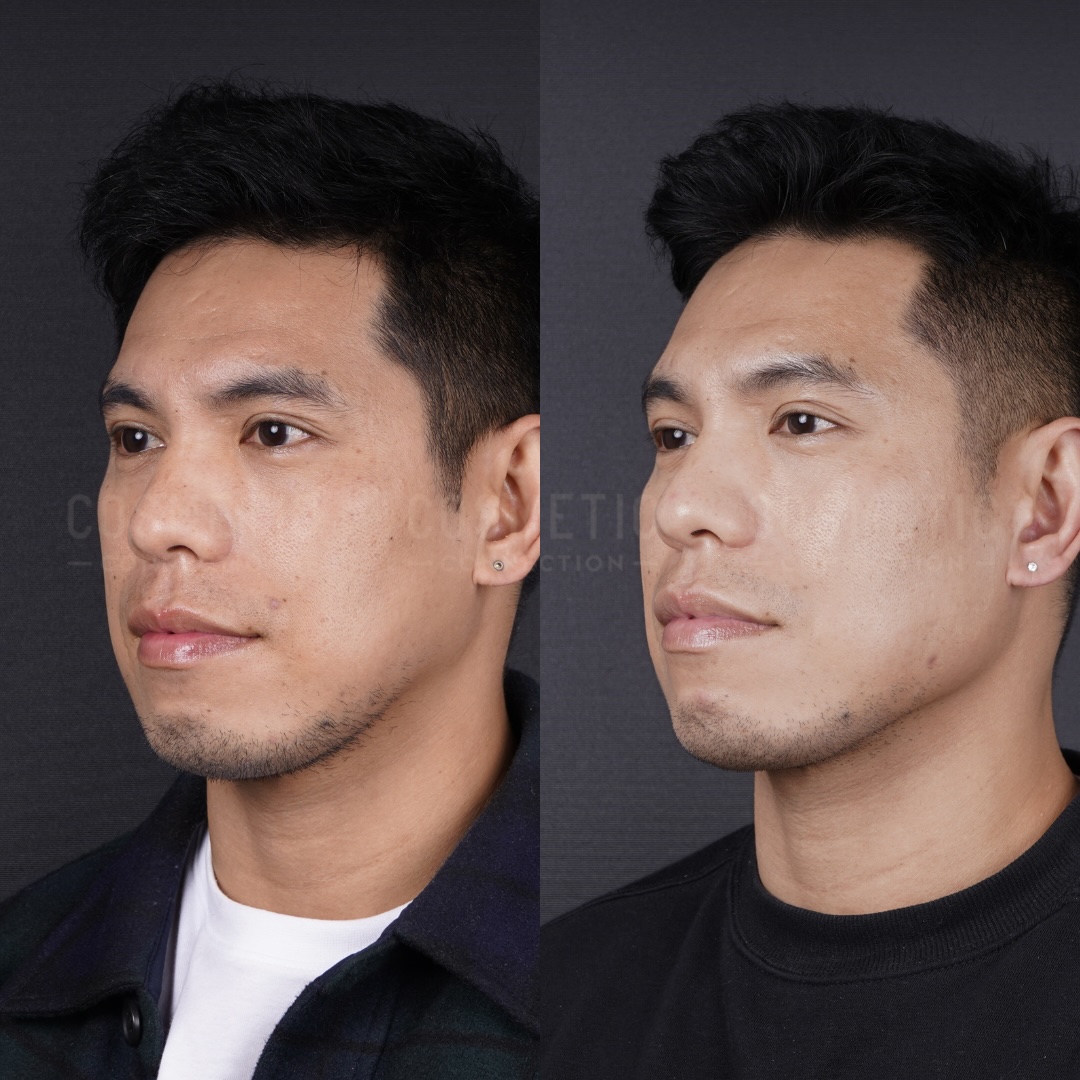
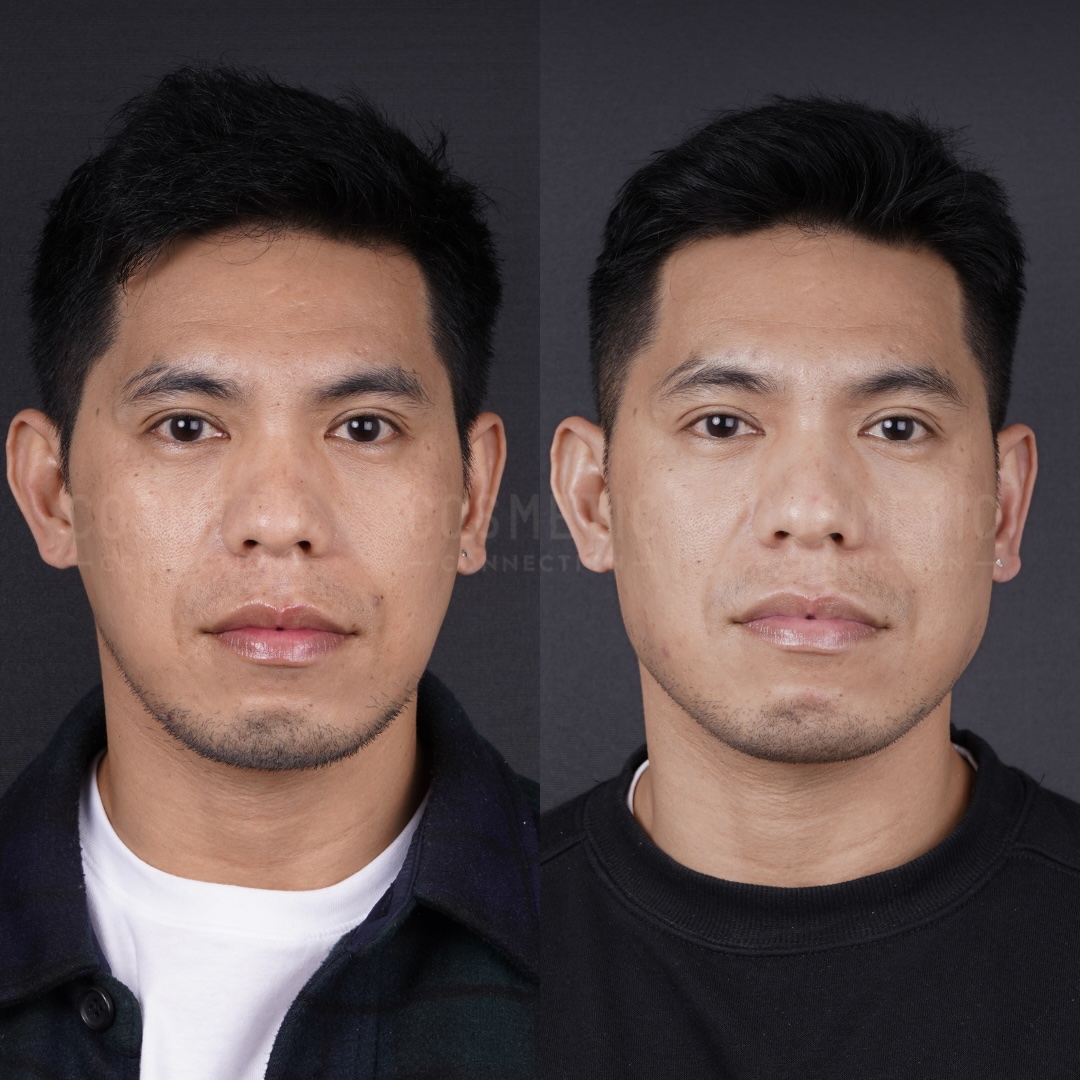
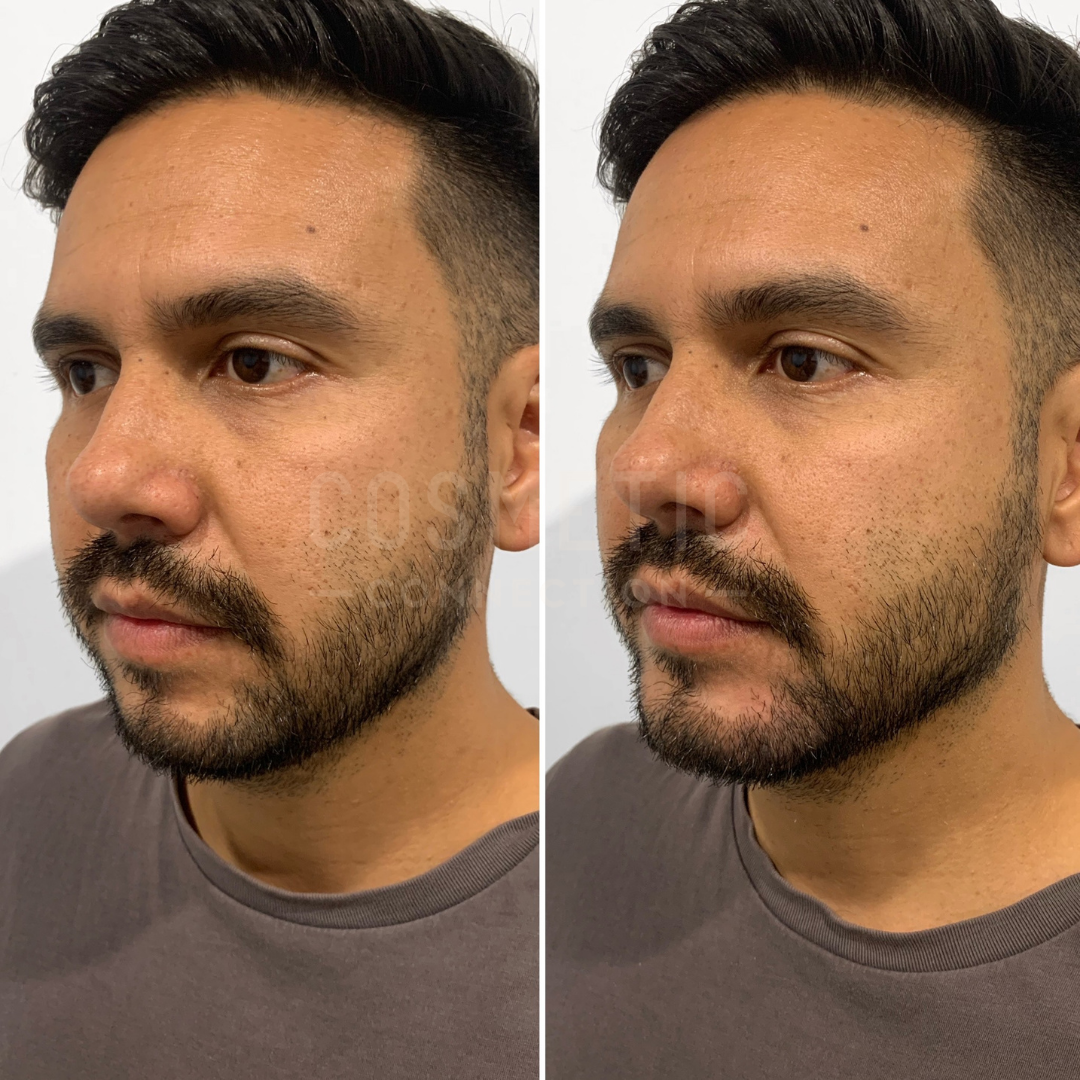
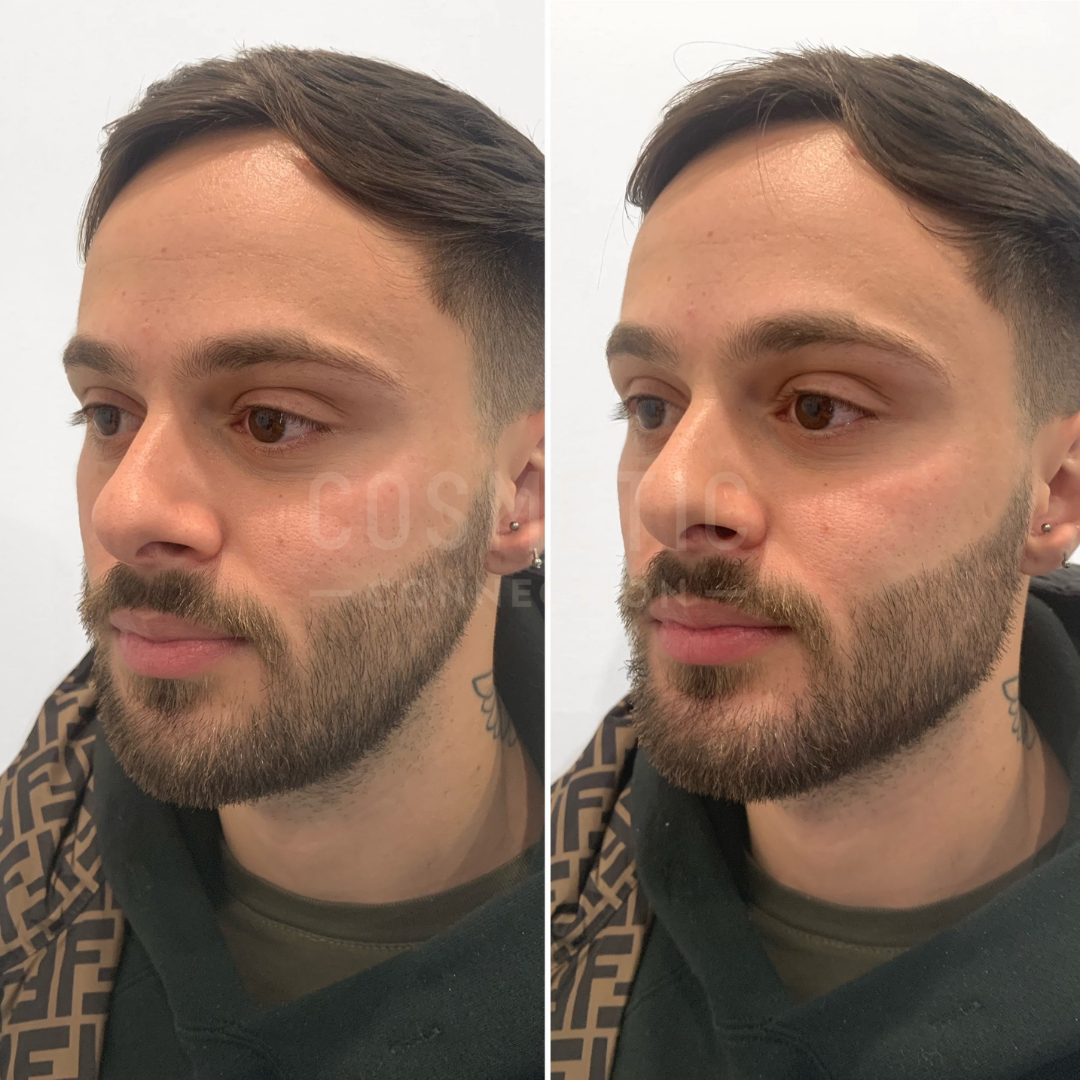

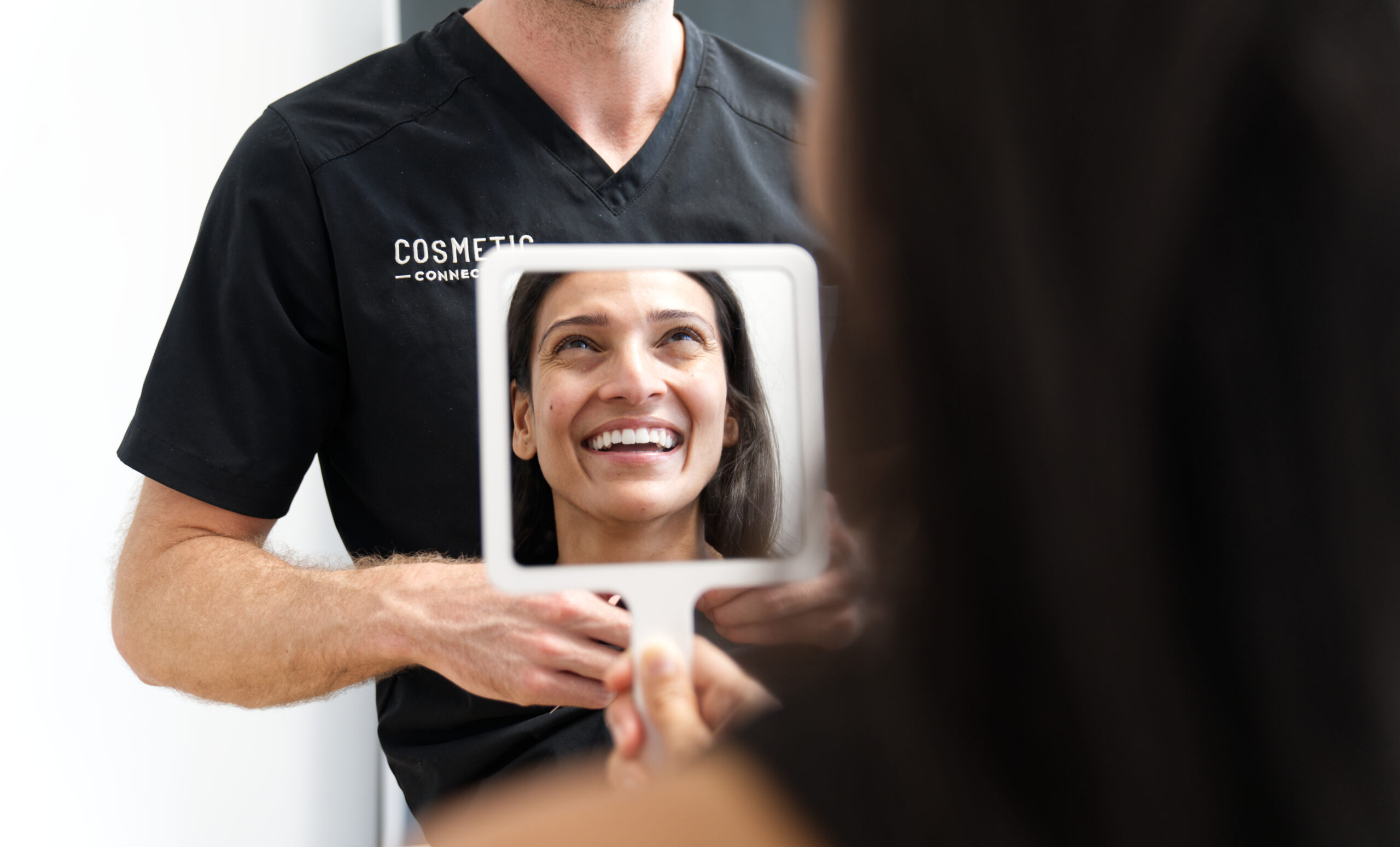
Why Cosmetic Connection?
Our focus is on thoughtful, measured assessments and personalised clinical plans, ensuring your treatment is guided by medical expertise.
Our process ensures you’re a good fit for treatment before you commit.
Every recommendation is completely tailored to your anatomical baseline and desired result.
Refine your looks without the risk, cost, or extended downtime of surgery.
Our treatment options are based on strong clinical evidence, and a proven track record or efficacy and safety.
Our all-inclusive, flat-fee pricing structure ensures your clinician is focussed entirely on your result, not the amount of product used.
Still unsure? Read our essential guide before you book.

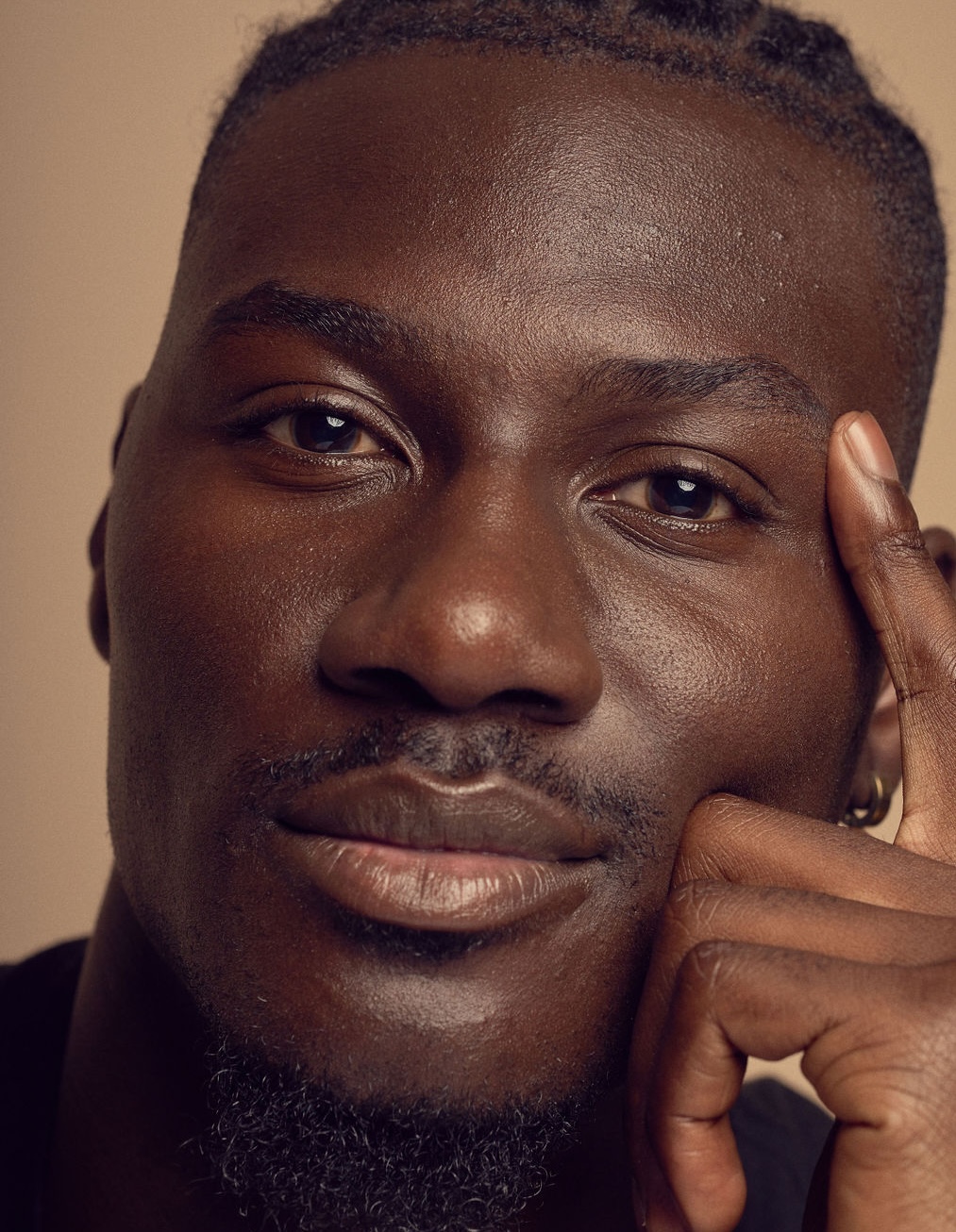
What causes loss of jawline definition?
Jawline definition changes over time due to a combination of structural and soft tissue changes in the lower face. This can result in a softer, less defined or less contoured jawline.
Common contributing factors include:
Natural ageing
Collagen and elastin levels gradually decline, leading to reduced skin firmness and support along the jawline.
Volume loss in the lower face
Fat pads in the cheeks and jaw area shift and diminish over time, reducing definition along the jawline border.
Skin laxity
As skin loses elasticity, it may begin to sag slightly, softening the transition between the face and neck.
Genetics
Some individuals are naturally predisposed to a softer jawline or reduced structural definition.
Weight fluctuations
Significant weight loss or gain can affect fat distribution in the lower face, impacting jawline contour.
How jawline definition affects facial balance
The jawline plays a key role in framing the face and supporting overall facial harmony.
When definition is reduced, it can:
- Blur the separation between the face and neck
- Reduce lower face structure and sharpness
- Make the lower face appear heavier or softer
- Affect overall facial proportion from both front and profile views
- Draw more attention to the mid or lower face imbalance
A well-defined jawline helps create structure, balance, and visual clarity in the lower third of the face.
How the jawline changes over time
Jawline ageing is gradual and multi-layered, involving both bone and soft tissue changes.
- Bone remodelling: The mandible can subtly reduce in volume over time, affecting structural support
- Fat redistribution: Facial fat pads shift downward, reducing sharp definition along the jawline
- Skin changes: Loss of elasticity can contribute to mild sagging along the jawline and under-chin area
- Muscle dynamics: Repetitive muscle activity can influence contour changes over time
These changes often combine, leading to a progressively softer jawline appearance.
Understanding facial structure and contour differences
The jawline plays a major role in overall facial balance and lower-face definition. While every face is unique, there are general aesthetic differences in jawline shape, contour, and projection that influence how the face is perceived.
These differences are not about gender rules, but about variations in bone structure, soft tissue distribution, and facial proportions.
Softer jawline characteristics
Some faces naturally present with a softer lower-face contour. This may include:
- A gently curved jawline rather than sharp angles
- A more tapered transition from ear to chin
- Subtle chin projection with softer definition
- A smooth blend between jawline and neck
A softer jawline can contribute to a more delicate or harmonious lower-face appearance, depending on overall facial structure.
Cosmetic approaches in this context typically focus on:
- Enhancing definition while maintaining softness
- Improving jawline continuity and balance
- Subtle refinement rather than angular sharpening
More defined jawline characteristics
Other facial structures naturally present with stronger definition in the lower face. This may include:
- More angular transitions along the jawline
- Increased definition at the jaw angles
- Greater chin projection and structural prominence
- Clear separation between the jawline and neck
A more defined jawline is often associated with stronger lower-face structure and contrast.
Cosmetic approaches in this context typically focus on:
- Enhancing existing angles and structure
- Improving symmetry and proportion
- Strengthening lower-face definition while maintaining natural balance
How jawline structure influences facial harmony
The jawline connects the lower face to the neck and plays a key role in overall facial proportion.
Differences in jawline shape can influence:
- Perceived strength or softness of the lower face
- Profile balance between chin, lips, and nose
- Definition between face and neck
- Overall facial symmetry and contour
Even subtle adjustments in this area can significantly affect facial harmony.
Have questions?
Read the FAQ for general information. For personalised advice, start here.
Jawline contouring techniques are designed to support and refine natural structure in the lower face. The aim is to enhance proportion and definition while respecting individual facial anatomy.
Treatment approaches are always tailored to the person rather than a “one-style-fits-all” aesthetic ideal.
Jawline definition is influenced by a combination of bone structure, fat distribution, skin elasticity, and ageing. Genetics, weight changes, and natural volume loss over time can all impact how defined the jawline appears.
As we age, collagen production decreases and facial fat pads gradually shift or reduce. This can lead to a softer lower face, mild skin laxity, and reduced separation between the jawline and neck.
Jawline contouring refers to non-surgical treatment approaches designed to improve definition, structure, and balance in the lower face. The goal is to enhance natural anatomy and create a more refined facial outline.
Yes. Improving jawline definition can enhance overall facial proportion by strengthening the lower face, improving symmetry, and creating better balance between the chin, cheeks, and neck.
A less defined jawline can be caused by genetics, age-related volume loss, weight fluctuations, or reduced skin elasticity. In many cases, it is a combination of factors rather than a single cause.
Most patients experience only mild discomfort. Numbing techniques are used to improve comfort, and the procedure is generally well tolerated.
When performed conservatively and tailored to your facial anatomy, results are designed to enhance definition while maintaining a natural appearance. The aim is refinement, not alteration.
Longevity varies depending on the treatment approach, individual metabolism, and lifestyle factors. This will be discussed during your consultation based on your personalised plan.
Jawline enhancement can improve overall lower-face definition, which may reduce the appearance of fullness under the chin. However, suitability depends on the underlying cause of volume or fullness.
There is typically minimal downtime. Some swelling, tenderness, or bruising may occur but usually resolves within a few days, and most people return to normal activities shortly after.
Jawline contouring is a medical procedure that should only be performed by a qualified and experienced practitioner with a strong understanding of facial anatomy. When performed appropriately, it is generally well tolerated, however all medical treatments carry potential risks and should be carefully assessed during consultation.