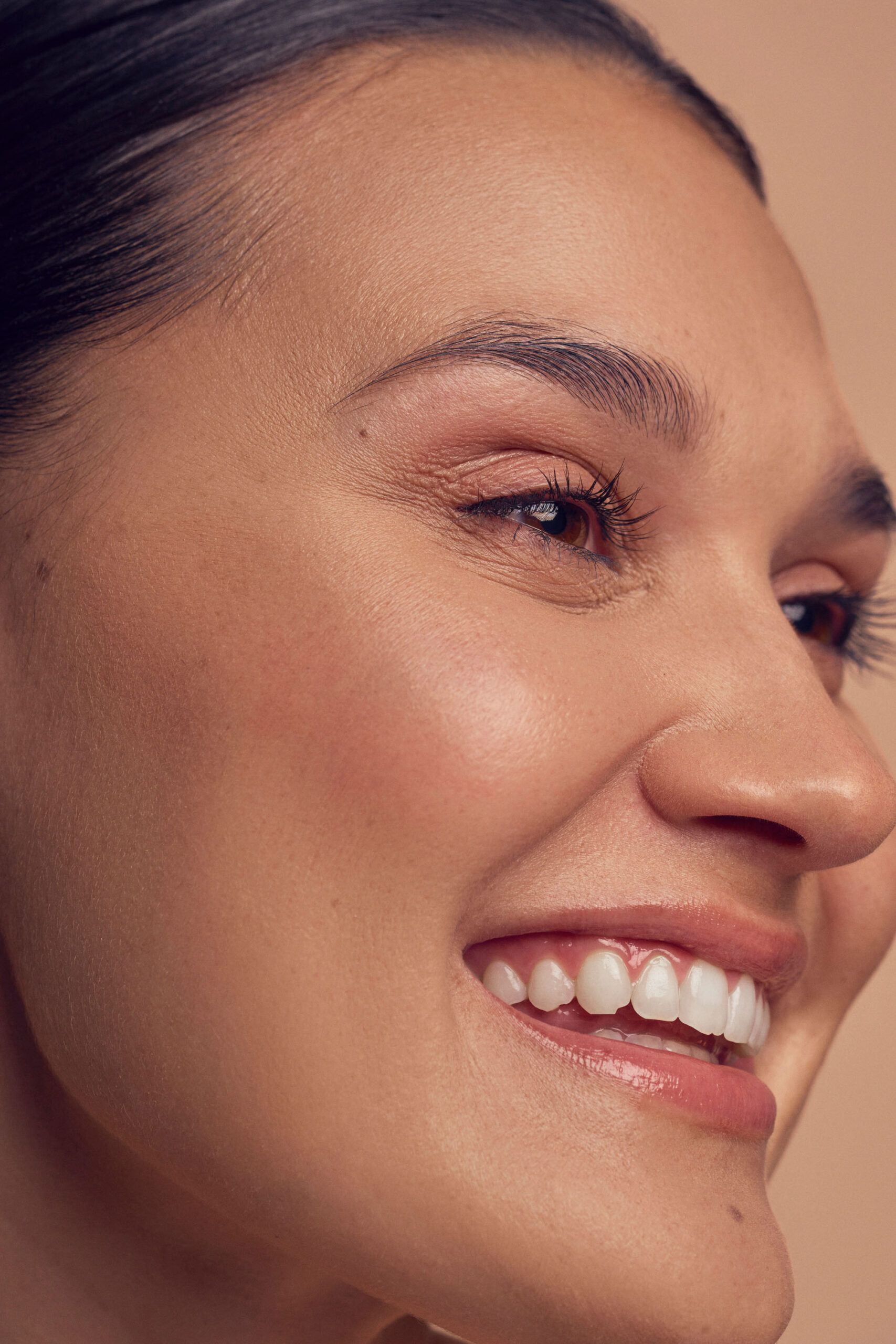
When crow’s feet and forehead wrinkles both concern you, the question of where to start is a genuinely clinical one — not a matter of preference. The answer depends on which concern is more prominent, how they interact anatomically, and whether treating one area influences the other. In most cases, there’s a logical sequencing that produces better results than trying to address everything at once.
Quick answer: There is no universal rule — the priority should be whichever concern is more prominent and affecting you most. However, crow’s feet are often the better starting point for first-time patients because the treatment area is more contained, results are predictable, and the risk of affecting facial expression is lower. Forehead treatment carries more nuance and is typically better handled once a baseline of trust and calibration is established.
How crow’s feet and forehead wrinkles differ clinically
Both concerns fall under the category of dynamic wrinkles — lines created by repeated muscle movement — but they are driven by different muscles and require different clinical approaches.
Crow’s feet are created by the orbicularis oculi, the ring-shaped muscle surrounding the eye. The treatment approach is relatively targeted: reducing activity in this muscle softens the lines that radiate from the outer eye corner without affecting other areas of facial expression.
Forehead wrinkles are created by the frontalis — the broad, flat muscle that lifts the eyebrows. This muscle is more complex to treat because it also determines eyebrow position. Reducing frontalis activity too aggressively can cause the brows to drop, creating a heavy, flat appearance across the upper face. This risk doesn’t exist with crow’s feet treatment.
For a comprehensive overview of how crow’s feet form and what drives them, the crow’s feet treatment guide covers this in detail. For forehead wrinkles specifically, the forehead wrinkles treatment page outlines the clinical approach.
The case for treating crow’s feet first
For most first-time patients who are concerned about both areas, we generally recommend starting with crow’s feet. The reasons are clinical:
- More predictable results. The orbicularis oculi is a well-defined muscle with a relatively consistent response to treatment. The margin for anatomical variation is smaller than in the frontalis.
- Lower risk of affecting expression. Crow’s feet treatment rarely changes the resting position of any other facial structure. Forehead treatment can influence brow position significantly if not calibrated correctly.
- Builds clinical calibration. Treating crow’s feet first gives your clinician baseline information about how your muscles respond to treatment — information that directly informs how to approach the forehead safely and effectively.
- Often addresses a greater source of self-consciousness. In our experience, the eye area is frequently where people feel the most visible change — particularly the “tired” appearance that persistent crow’s feet can create.
The case for treating forehead wrinkles first — or simultaneously
There are situations where forehead wrinkles take priority:
- The forehead concern is significantly more prominent. If deep horizontal forehead lines are the primary concern and crow’s feet are minor, there’s no clinical reason to delay forehead treatment.
- The two areas are being treated simultaneously. Many patients have both areas treated in the same session — this is common and clinically appropriate with the right assessment. The two treatment zones don’t interfere with each other when placed correctly.
- Frown lines (glabellar lines) are the primary concern. Frown lines — the vertical lines between the brows — are a distinct concern from horizontal forehead wrinkles and are typically treated as their own zone. They may be treated at the same time as crow’s feet without the brow-position considerations that apply to the frontalis.
For more context on frown line treatment, the frown lines treatment page is the relevant resource.
Comparison table: crow’s feet vs forehead wrinkles treatment
| Feature | Crow’s feet | Forehead wrinkles |
|---|---|---|
| Muscle involved | Orbicularis oculi | Frontalis |
| Dynamic lines? | Yes — primary driver | Yes — primary driver |
| Static lines possible? | Yes — in advanced stages | Yes — in advanced stages |
| Risk of affecting brow position | Low | Moderate — careful dosing essential |
| Predictability of result | High | Moderate — varies with anatomy |
| Recommended starting point? | Yes — for first-time patients | Better after baseline established |
| Can be treated in same session? | Yes | Yes |
| Treatment duration | 3–4 months | 3–4 months |
What happens when both areas are treated together
Treating crow’s feet and forehead wrinkles in the same session is common. When both are treated together, the clinician has the advantage of assessing the full upper face as a system — understanding how the frontalis and orbicularis oculi interact, and calibrating the treatment accordingly.
The relationship between brow position and crow’s feet is worth understanding: some people compensate for low brow position by chronically over-activating the frontalis — unconsciously lifting the brows to open the eye area. If the frontalis is treated without accounting for this, brow dropping can occur and actually worsen the appearance of the eye area. A thorough assessment before treatment includes checking for this pattern.
The upper face is a functionally connected system in which individual muscle treatment should account for the downstream effects on adjacent structures — a principle that guides our approach at Cosmetic Connection.
This is why the assessment matters more than the treatment itself. The right plan for one person is not the right plan for another, even when the presenting concern looks identical. For a fuller picture of how we approach facial treatment planning, the facial balancing guide is the most comprehensive resource on this site.
You can also explore what actually works for crow’s feet specifically before your consultation, to go in with a clear framework for your own assessment.
If you’re ready to find out which approach suits your situation — crow’s feet, forehead, or both — the next step is to get started. We’ll assess both areas together and give you a clear recommendation.
Get started
Frequently asked questions
Can crow’s feet and forehead wrinkles be treated at the same appointment?
Yes — this is one of the most common combinations we see. Both areas respond to muscle-relaxing treatment and can be assessed and treated in the same session. The two treatment zones don’t interfere with each other when placed correctly, and treating them together allows the clinician to assess the upper face as a connected system.
Does treating forehead wrinkles make crow’s feet worse?
Not directly — but under-dosing the forehead treatment can cause the frontalis to compensate, which may increase lateral eye squinting and worsen crow’s feet over time. This is one of the reasons full upper face assessment before treatment is important, rather than treating individual areas in isolation.
Which treatment area gives you more value for money?
This depends on which concern is more prominent and where you’ll notice the most visible improvement. In our experience, crow’s feet treatment often produces a higher perceived impact relative to the treatment area involved, because the eye area is central to how we read a face — particularly the “tired” appearance that persistent crow’s feet can create. But this is genuinely individual.
If I’ve never had cosmetic treatment before, is it better to start with one area?
Starting with one area is often a sensible approach — particularly for people who want to understand how their muscles respond to treatment before committing to multiple zones. Crow’s feet is often the recommended starting point for first-timers because the result is contained and the risk profile is lower. That said, treating both areas simultaneously is safe and appropriate when the assessment confirms both are indicated.
Are frown lines the same as forehead wrinkles?
No — they are related but distinct. Frown lines (glabellar lines) are the vertical creases between the brows, caused by the corrugator and procerus muscles. Forehead wrinkles are the horizontal lines across the forehead, caused by the frontalis. Crow’s feet are lateral to the eye, caused by the orbicularis oculi. All three are distinct treatment zones, though they are often assessed and planned together.