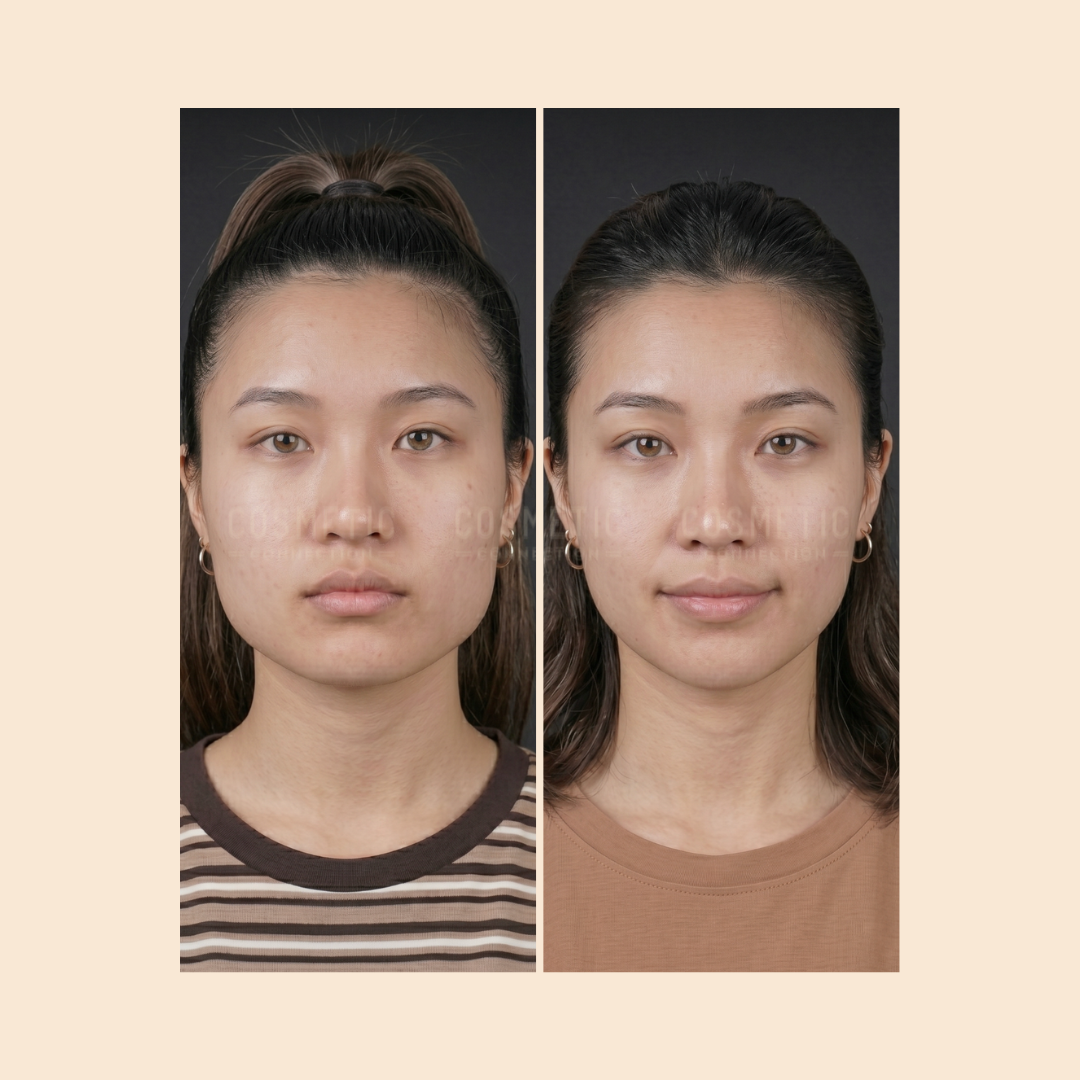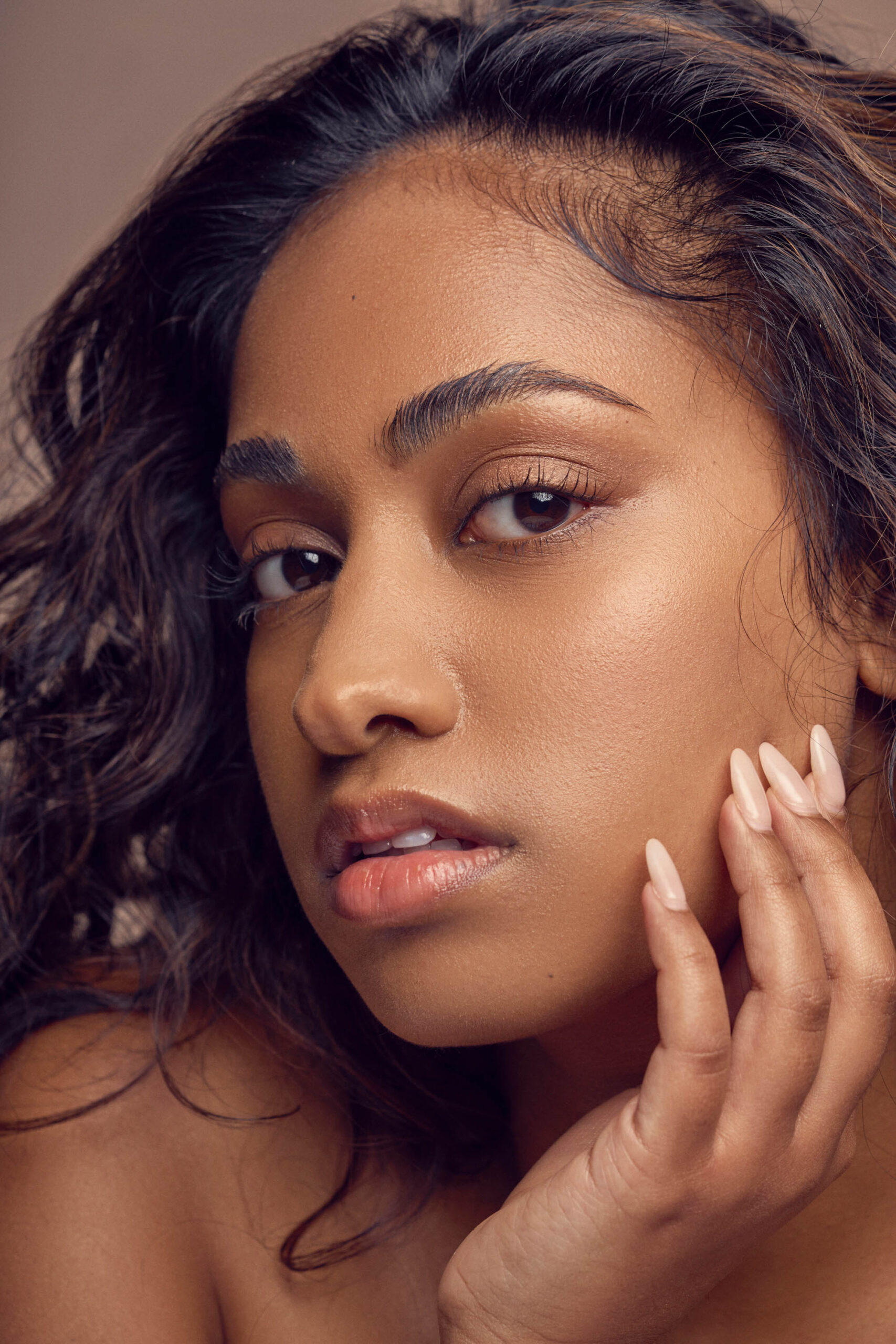
Natural cheek volume treatment results are defined by what you don’t notice — no obvious fullness, no artificial projection, no tell-tale signs of treatment. What you do notice is that someone looks more rested, more defined, or somehow fresher than before, without being able to identify why.
This post explains what realistic results look like across different patient presentations, what influences how much change is visible, and what separates a natural outcome from one that looks overdone. If you’re in the research phase, it’s worth understanding what the treatment can and can’t achieve before you book a consultation.
Quick answer: Natural cheek treatment results restore lost volume or add definition to the mid-face in a way that looks consistent with the patient’s own anatomy. The most common observations from patients are that they look more rested, less hollow, or more balanced — not that their cheeks look noticeably fuller. Results are visible immediately with volumising treatment and develop gradually over 6–8 weeks with collagen stimulating approaches.
What “natural” actually means in the context of cheek treatment
“Natural-looking” is the outcome almost every patient describes wanting — but it means different things depending on where you’re starting from and what you’re trying to achieve.
For a patient in their 40s or 50s who has experienced gradual volume loss, natural means the result looks like their face did several years ago. Volume is restored to compartments that have depleted. The hollowness beneath the eyes softens. The mid-face regains the quiet fullness it had before gravity and time shifted things. Nothing about the result looks added — it looks reinstated.
For a younger patient who wants more definition, natural means a result that sits within the proportional logic of their own face. Better cheekbone shadow. A more defined mid-face contour. Subtle projection that looks like it belongs there. The reference point is not their face before treatment — it’s the face they might have had with different genetics.
Both are legitimate outcomes. The key in both cases is that the result doesn’t exceed what the anatomy can credibly carry. In our experience, the cases that look unnatural almost always come down to one of three things: too much volume placed at once, placement that doesn’t account for the individual’s facial structure, or treatment in someone who wasn’t a suitable candidate for the amount of change they wanted.
Before and after treatment to enhance cheek structure and volume.
What changes are most commonly reported
The changes patients notice most after well-executed cheek volume treatment are rarely the ones they anticipated asking for. Based on what we hear consistently in follow-up appointments, the most common observations are:
Looking more rested
The under-eye area is structurally connected to the mid-face. When volume depletes from the cheek fat compartments, the transition between the lower eyelid and the cheek becomes more abrupt — creating a hollow or shadow that reads as tiredness or dark circles regardless of how much sleep the patient gets. Restoring mid-face volume softens this transition without touching the under-eye area directly. Patients consistently describe looking less tired as the most noticeable change, even when that wasn’t their primary stated concern going in.
More defined contours
A mid-face with good volume creates natural shadow along the cheekbone. When that volume depletes — or was never present — the face can look flat from the front and lack definition from the side profile. Cheek treatment restores the light and shadow relationship that creates the appearance of definition. Patients often describe their face looking “more structured” or “more themselves” rather than specifically fuller.
Better facial proportion
The cheeks are a structural anchor point for the mid-face. When they lack volume, other features — particularly the nasolabial folds and the lower face — can appear more prominent by comparison. Restoring mid-face volume rebalances this relationship. The nasolabial folds often appear softer, the lower face appears more proportionate, and the face as a whole looks more harmonious. This is a proportional effect, not a direct treatment of those areas. For patients interested in how the mid-face relates to overall facial structure, our facial balancing guide explains this in more detail.
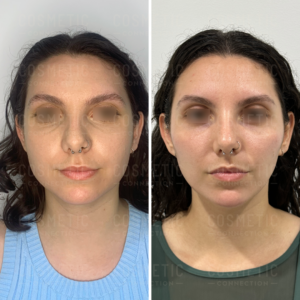
Before and after treatment to the cheeks, chin, and masseters to improve facial balance.
How results differ between treatment approaches
The timeline and character of results vary significantly depending on which treatment approach is used. Understanding this before treatment helps patients set appropriate expectations.
| Approach | When results appear | Initial appearance | Final result | Longevity |
|---|---|---|---|---|
| Volumising treatment | Immediately | Some swelling present — result looks slightly more than final | Settles over 2 weeks as swelling resolves | 12–18 months |
| Collagen stimulating treatment | 6–8 weeks | Little visible change initially | Gradual improvement over 3–6 months | 18–24+ months |
| Combined approach | Immediate + gradual | Immediate structural improvement with ongoing refinement | Full result at 3–6 months | 18–24 months |
The immediate swelling that follows volumising treatment is worth understanding before your appointment. The result on day one will look slightly more than your final result — not dramatically so, but enough to be noticeable. This settles progressively over the first two weeks. We recommend patients evaluate their result at the two-week mark, not immediately after treatment, when forming their first impression.
Get started
What makes results look overdone
Understanding what produces unnatural results is as useful as understanding what produces good ones — particularly because the most common failure mode in cheek treatment is visible and well-documented.
The dominant cause of overdone cheek results is excessive volume. The cheeks can accommodate a limited amount of structural change before the result starts to exceed what the anatomy can carry. Beyond that threshold, the mid-face begins to look unnaturally full — the so-called “pillow face” or “chipmunk cheek” appearance that has become a cultural reference point for cosmetic treatment gone wrong.
This happens most often when treatment quantity is driven by patient pressure rather than clinical judgement, when multiple sessions of cumulative treatment haven’t been critically assessed over time, or when a patient’s anatomy doesn’t support the volume being placed.
The second cause is placement that doesn’t suit the individual’s facial structure. The cheek area contains multiple fat compartments at different depths, and the appropriate placement depends on which compartment has been affected and what the treatment goal is. Volume placed in the wrong location — regardless of quantity — can produce a result that looks unnatural even at modest amounts.
Our approach at Cosmetic Connection is conservative by design. We use a flat-fee model that removes the financial incentive to over-treat, and we start with less rather than more — it is always easier to add volume at a review appointment than to dissolve and restart. You can see how this approach works in practice on our patient journey page.
Results across different presentations
Early volume loss (30s–early 40s)
At this stage, the change is often subtle enough that patients can’t precisely articulate what has shifted — they just know they look more tired than they feel. Results in this group are typically the most natural, because the volume being restored is modest and the anatomy is still well-supported. Most patients in this group describe the outcome as looking like themselves again rather than looking different.
Moderate volume loss (mid-40s–50s)
This is the most common presentation we see. Volume loss is meaningful — hollowing beneath the eyes, flattening of the mid-face, deepening nasolabial folds — but the overall facial structure is intact. Results in this group are often the most impactful, because the structural restoration addresses a genuine change that has accumulated over time. The face looks refreshed and more proportionate rather than altered.
Structural definition (any age)
Patients seeking additional cheekbone definition rather than restoration of lost volume are a different clinical scenario. Results depend heavily on the patient’s baseline anatomy. Those with naturally good bone structure and lean soft tissue often achieve beautiful definition with modest treatment. Those with very full soft tissue may find that the result is less visible because the treatment has less structural framework to work with. This is a conversation best had in person during a suitability assessment.
Post weight-loss volume loss
Significant weight loss — including changes associated with GLP-1 medications — can produce pronounced mid-face hollowing at any age. Results in this group can be dramatic in a positive sense, because the degree of volume loss is often significant. The priority is usually restoring a face that looks healthy and proportionate rather than one that looks treated. Treatment is often best staged across two or more appointments to allow incremental assessment rather than attempting full correction at once.
How to assess your own result
Patients sometimes struggle to evaluate their result objectively, particularly in the first few weeks. A few practical pointers:
- Assess your result at two weeks, not day one — swelling will still be present immediately after treatment
- Look at photographs taken in consistent lighting, not selfies — different angles and lighting conditions produce vastly different impressions of facial volume
- Ask someone you trust for their honest observation — patients are often harsher on their own results than outside observers are
- Compare to photographs of yourself from 3–5 years ago if the goal was volume restoration — this gives you a meaningful reference point
If you have concerns about your result, contact the clinic. A review appointment is the right setting to assess whether any refinement is warranted — either adding a small amount of additional volume or, in the case of volumising treatment, dissolving and reassessing.
If you’re considering treatment for the first time, our full cheek volume treatment guide covers everything from candidacy to the treatment process and recovery. And if you’re weighing up non-surgical treatment against surgical augmentation, our comparison guide sets out the differences clearly.
Get started
Frequently asked questions
How long before cheek treatment results look natural?
With volumising treatment, the result looks most natural at around two weeks, once swelling has fully resolved. The immediate post-treatment result will appear slightly fuller than the final outcome. With collagen stimulating treatment, the result develops gradually over 6–8 weeks and reaches its full expression at around 3–6 months.
Will my cheeks look fuller or just different?
Most patients describe the result as looking more defined, more rested, or more balanced rather than specifically fuller. The perception of fullness depends on how much treatment is used and what the goal is. Volume restoration tends to read as refreshed rather than filled. Patients seeking significant augmentation will see more noticeable volume change.
What does cheek treatment look like in photos?
In photographs, well-executed cheek treatment tends to improve the mid-face shadow and definition that cameras often flatten. Many patients find they photograph better after treatment — less hollowing beneath the eyes, better cheekbone definition in different lighting conditions. Results that look overdone in person also look overdone in photographs.
How do I know if I’ve had too much cheek treatment?
The clearest sign of over-treatment is when the cheeks look disproportionately full relative to the rest of the face — particularly if there is visible convexity below the cheekbones or the face looks round or heavy from the front. If you’re unsure, a review appointment with your treating doctor is the appropriate first step. Volumising treatment can be dissolved if necessary.
Can I see before and after photos before booking?
We can discuss realistic outcomes and what to expect at your consultation. Clinical photography is an important part of our assessment and treatment planning process. Your treating doctor will walk you through what a realistic result looks like for your specific anatomy and concern during your appointment.